


Yemen Celebrates Eid Amidst Harsh Realities and Enduring Traditions
|
1 month ago
A-
A+
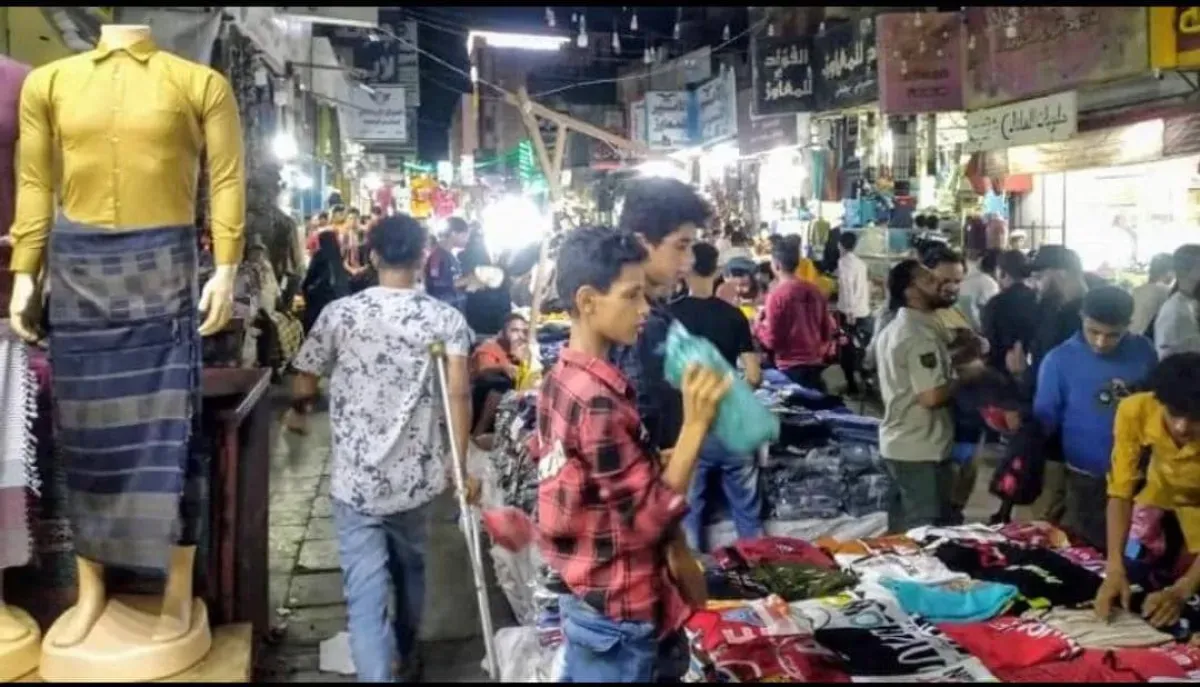
As the Eid al-Fitr holiday approaches, Yemenis find themselves balancing deeply rooted cultural celebrations with the severe economic and security crises plaguing the nation. Despite ongoing hardship, citizens are steadfastly preserving generational rituals of joy, family cohesion, and community solidarity. This observance underscores the duality of the Yemeni experience: maintaining vibrant cultural practices while confronting the immense challenges imposed by years of conflict and economic deterioration. Preparations for the holiday begin weeks in advance, signaling the importance of the occasion within the social fabric. Traditional marketplaces become vibrant hubs as families purchase new clothing, sweets, and local delicacies known as "Ja'alat al-Eid" for guests. Concurrently, women in households dedicate significant effort to preparing customary cakes and traditional baked goods essential for morning celebrations and family visits. Furthermore, the meticulous cleaning and preparation of homes reflect the high cultural value placed on hospitality. Children remain central to the festive atmosphere, eagerly anticipating new clothes, gifts, and the traditional "Eidiya"—a small monetary gift. Even under strained financial circumstances, parents prioritize providing these essentials, recognizing the children’s joy as a defining feature of the holiday. Public spaces in cities and villages often feature simple celebrations, including traditional children’s games rooted in centuries of heritage. The spiritual core of the celebration manifests at dawn on Eid day, when vast numbers gather in mosques and open squares for congregational prayer, fostering a powerful display of communal solidarity irrespective of age or regional difference. Following prayers, the tradition of visiting relatives and neighbors commences, serving as a vital mechanism for strengthening social bonds and kinship ties. While celebrations in major urban centers like Sana'a and Aden lean toward modern social gatherings, rural festivities often retain stronger links to folk heritage, exemplified by traditional games such as "Madraha" (a communal swing). Despite these regional variations, the underlying sentiment of shared religious celebration remains uniform. The observance of Eid al-Adha, referred to locally as "The Great Eid," carries distinct practices, notably the ritual sacrifice and the mandated distribution of meat to relatives and the impoverished, reinforcing deeply ingrained values of social solidarity among capable families. However, the pervasive conflict and ensuing economic collapse have significantly constrained celebratory spending. Reports indicate a marked decline in traditional displays, as necessities like new clothing or the purchase of sacrificial animals have become unaffordable burdens for many families. This environment fosters a complex emotional state, where religious fulfillment coexists with national grief. In response to these strains, social solidarity emerges as a critical component of the holiday. Affluent families actively engage in charity, distributing Zakat al-Fitr and other aid through community initiatives to ensure that needy families can partake in the celebration. This underscores the belief that Eid is fundamentally an occasion for compassion and mutual support. Despite the overwhelming difficulties, Yemenis demonstrate resilience by adapting and minimizing expenses while retaining the essential customs. Observers note that the persistence of these traditions amid protracted conflict highlights the strength of Yemen’s cultural and social infrastructure. For Yemenis, Eid transcends religious observance; it is a symbol of hope, renewal, and the capacity to generate joy even amidst profound suffering. |