


Israeli Strikes Eliminate Key Iranian Security and Political Figures in Escalation
|
7 hours ago
A-
A+

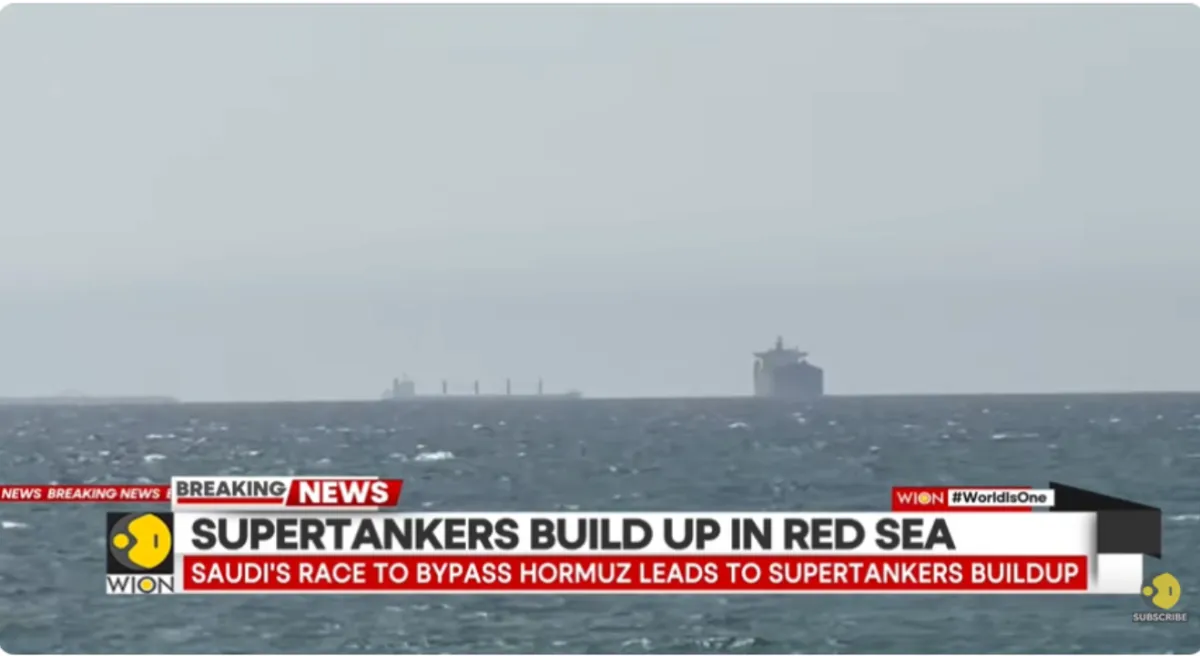
Israeli Defense Minister Yoav Gallant confirmed on Tuesday, March 17, 2026, that overnight airstrikes resulted in the death of Ali Larijani, Secretary of Iran's Supreme National Security Council, marking a potentially critical targeted assassination following the joint US-Israeli air campaign. Concurrently, the Israel Defense Forces (IDF) verified that a separate strike killed Basij Commander General Gholamreza Soleimani and his deputy. The elimination of Larijani carries profound significance, as he reportedly served as a crucial liaison between the political and military wings of the regime subsequent to the assassination of Supreme Leader Ali Khamenei on February 28, 2026. Although Tehran's official media circulated a statement attributed to Larijani praising the navy, this targeted killing represents a severe blow to the remaining leadership structure. General Soleimani commanded the Basij paramilitary forces for six years, utilizing the organization as a primary instrument for internal repression during recurrent protests. The IDF noted that Basij units under his command executed severe crackdowns involving excessive force and mass arrests against civilian demonstrators. These substantial losses occur while the status of the recently elected Iranian leader, Mojtaba Khamenei, remains ambiguous, with no public appearances or verified audio/visual recordings confirming his assumption of authority since his father's death. According to an anonymous Iranian source cited by Reuters, Mojtaba has rejected proposals aimed at de-escalation or negotiating a ceasefire with the United States. Conversely, senior Iranian officials are signaling a more confrontational posture regarding the Strait of Hormuz. Parliament Speaker Mohammad Bagher Ghalibaf stated that imposing navigation restrictions is necessary for "self-defense," asserting that the legal and operational status of the Strait will not revert to its previous state, implying passage may require Iranian approval. This strategic shift was reinforced by Islamic Revolutionary Guard Corps (IRGC) Senior Commander Ali Abdollahi on March 17, who affirmed that the "armed forces are determined to utilize all geopolitical capabilities, including the management and monitoring of passage through the strategic Strait of Hormuz, to subdue aggressive enemies." This escalation and the systematic removal of top officials raise serious questions regarding the sustainability of the Iranian regime amid reports of worsening chaos within security forces, including defections and declining morale linked to irregular salary payments and persistent external threat exposure. |