


Iran, Israel, and Muslim Brotherhood Fuel Regional Instability Through Conflict Symbiosis
|
3 hours ago
A-
A+
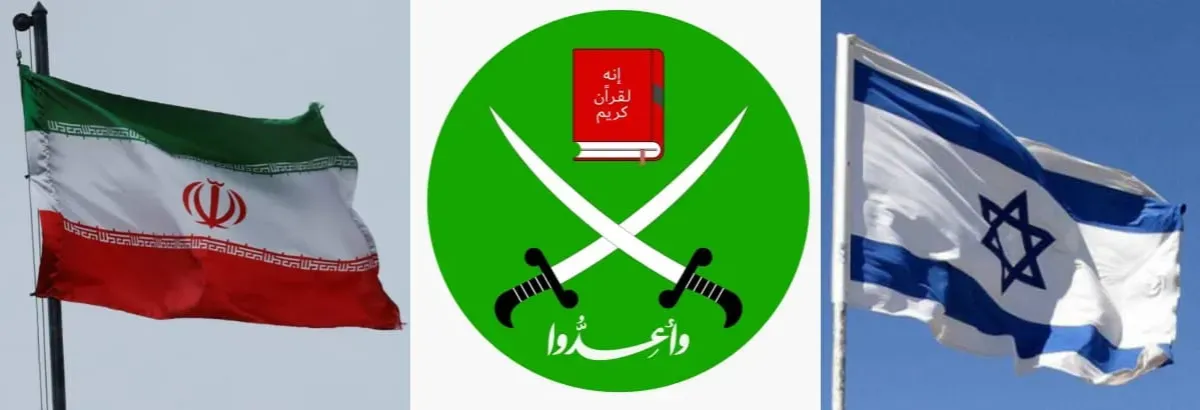
The interwoven influence of Iran, Israel, and the Muslim Brotherhood currents is identified by specialized security research centers as a primary driver of persistent instability across the Middle East, which is already exhausted by conflict and structural divisions. Analysts suggest that the interaction between these three major actors—Iran via its armed proxies, Israel through its superior military and technological power, and political Islam movements such as the Muslim Brotherhood with their transnational ideological reach—does not foster a stable equilibrium. Instead, it reinforces a recurring pattern of complex, open conflict, intertwining proxy wars with ideological agendas and geopolitical competition, exacerbated by the absence of a comprehensive regional security framework. Tehran sustains its regional strategy, described as "forward defense," by relying on an extended network of armed groups, including Hezbollah in Lebanon, the Popular Mobilization Forces in Iraq, and the Houthi militia in Yemen, collectively termed the "Axis of Resistance." Western studies characterize this network as having evolved into a "decentralized system of armed actors," providing operational flexibility but potentially weakening central control and increasing the risk of localized escalation. Conversely, analytical reports confirm that Israel has solidified its military posture by executing targeted strikes against Iranian infrastructure and leadership, leveraging significant intelligence and technological superiority, often supported by direct U.S. military and logistical aid. While Israeli operations have achieved clear "operational superiority" in several arenas, analysts argue this has failed to translate into sustained political stability, instead contributing to the perpetual regeneration of tension hotspots. Researchers note that Israel's reliance on military force without a parallel political track deepens crises rather than resolving them, leading to the cycling of conflict rather than containment. Furthermore, Tel Aviv appears to be strategically employing the perceived threat from Iranian influence and the presence of Muslim Brotherhood organizations to position itself as a necessary regional counterweight, thereby justifying expanded security roles beyond traditional borders. The Muslim Brotherhood, a prominent political Islam current, faces documented organizational decline in several nations due to political and legal pressures, though its ideological and political influence persists in fragile environments. Experts suggest that the continued resonance of its ideological discourse in states weakened by poor governance contributes to societal polarization and can be leveraged to fuel political conflict. Observers perceive the relationship between the three entities as a complex, dynamic feedback loop: Iran expands influence through transnational militias, Israel responds with preemptive military action, and political Islam movements fuel mobilization rhetoric and deepen societal schisms. This interaction, according to international reports, prolongs conflicts, undermines state institutions, and erodes prospects for stable governance. Political commentators contend that the absence of a cohesive, effective regional project creates a strategic vacuum exploited by these actors, cementing chronic instability. Each party, in this scenario, derives a measure of legitimacy from confronting the others, compelling them to maintain a specific level of tension—an indirect symbiosis—to secure domestic support bases. Failure to pursue comprehensive political solutions risks further institutional fragmentation across the region. |