


US-Israel Confrontation with Iran Unveils Regional Power Struggle and Escalation Scenarios
|
1 hour ago
A-
A+
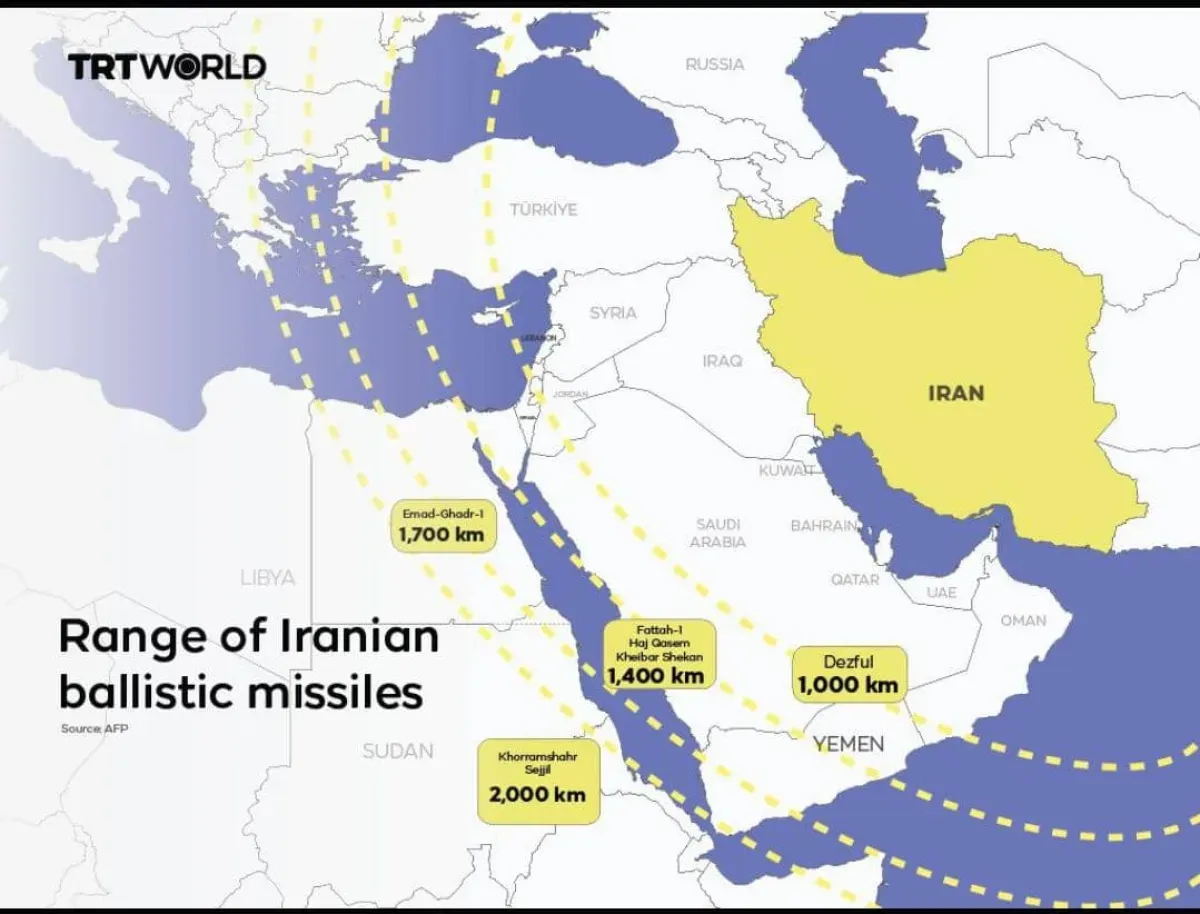
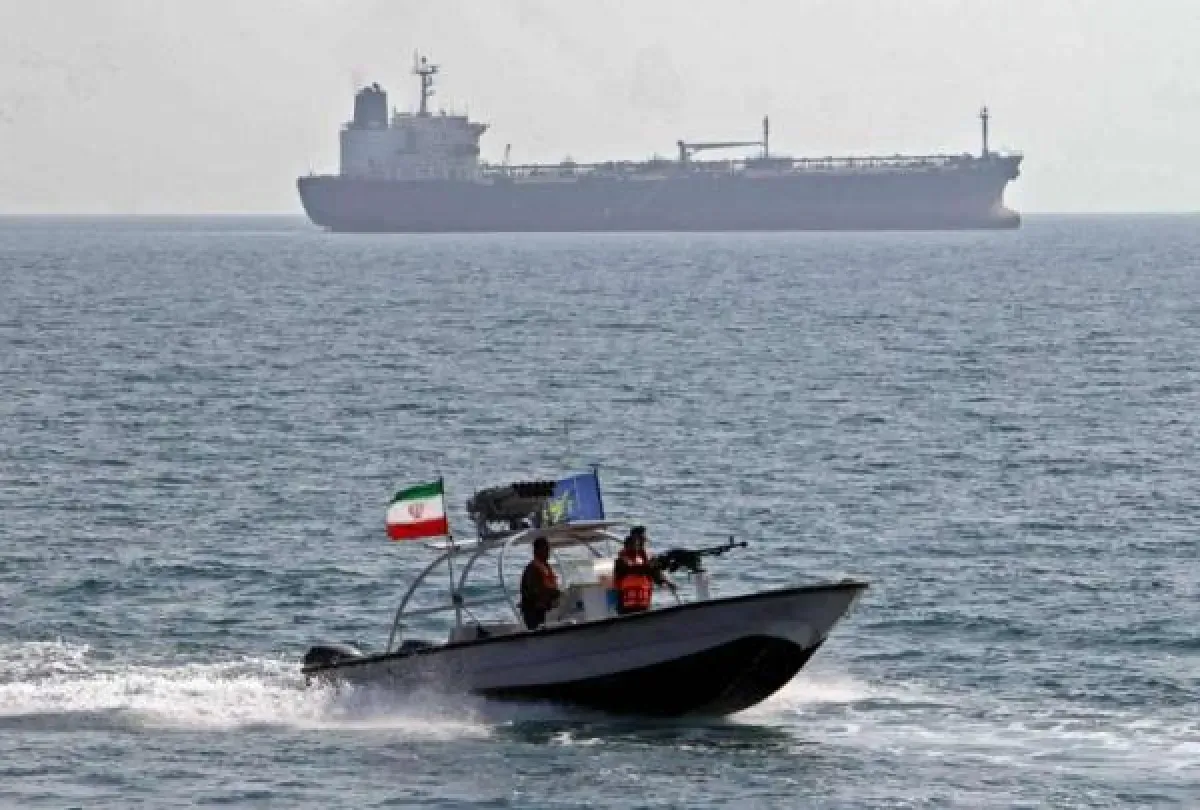
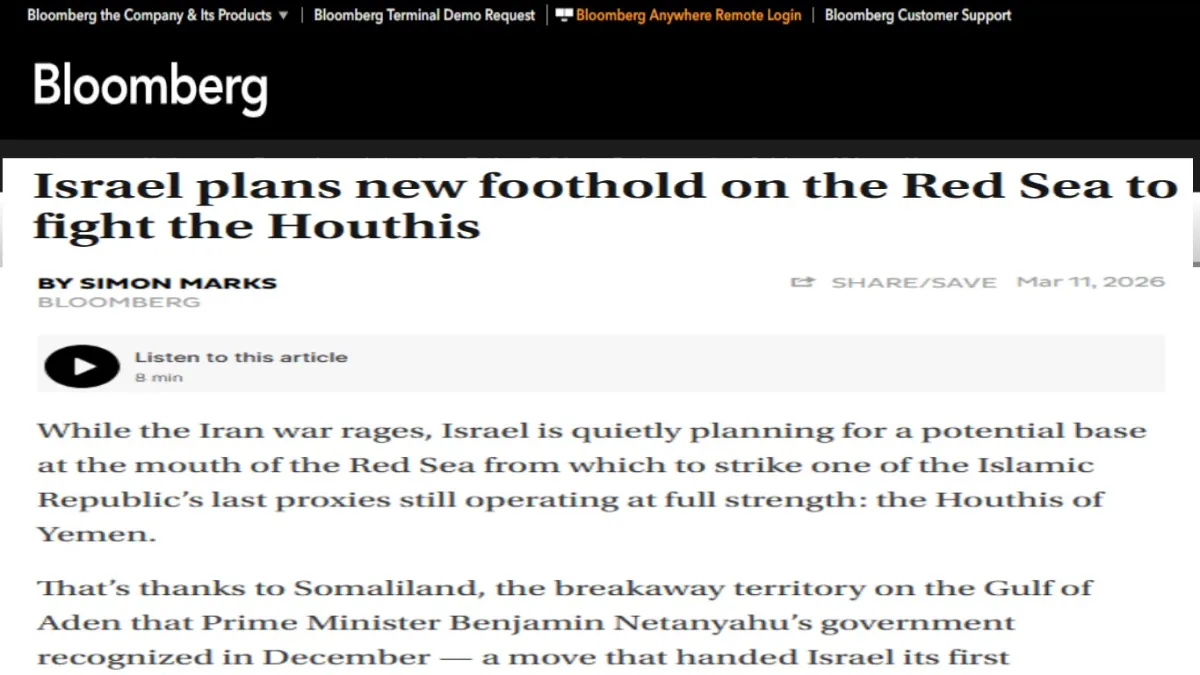
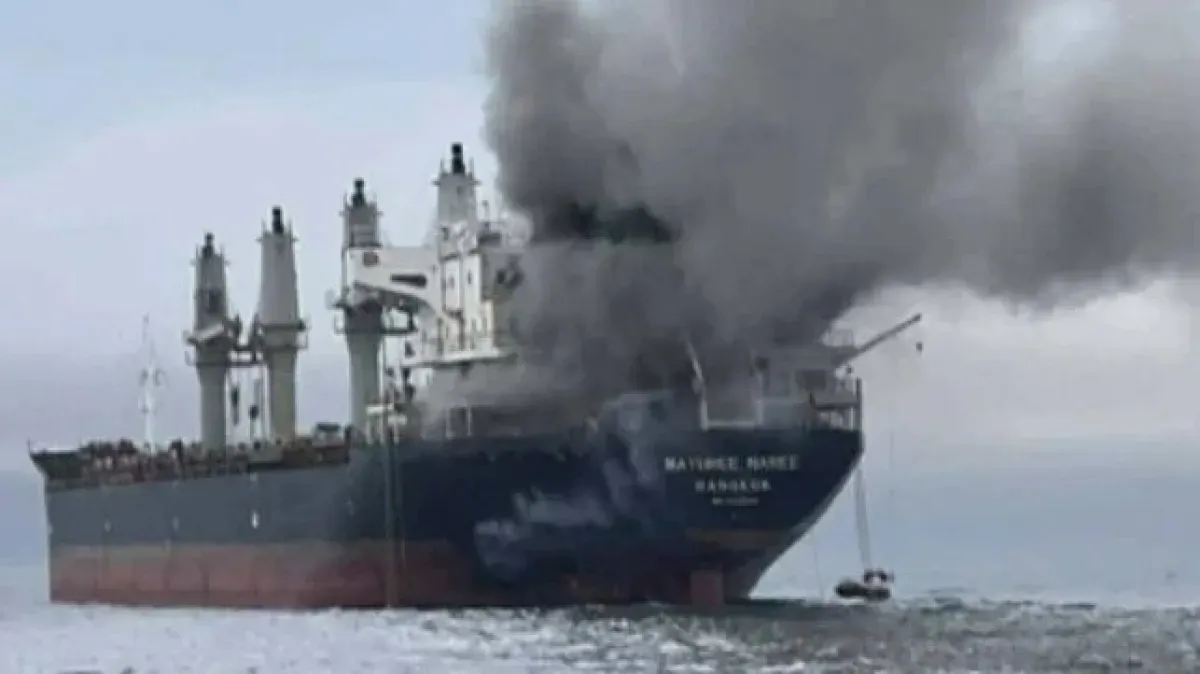
As the military confrontation between Iran on one side, and the United States and Israel on the other, enters its thirteenth day, the contours of a conflict extending beyond conventional strikes are gradually emerging, revealing a complex web of strategic calculations and regional disputes that could redraw the map of influence in the Middle East. The current situation represents not merely a limited military engagement, but a profound struggle between two opposing regional projects: one where Tehran seeks to solidify its influence through an armed network of allies, and another led by Washington and Tel Aviv aimed at curbing this influence and diminishing its military capabilities. Amidst this turbulent landscape, attention is focused on the future of Iran's regional affiliates, notably Hezbollah in Lebanon and the Houthi militias in Yemen, as these groups constitute critical instruments for Tehran in managing the regional conflict. Military data suggests that the current escalation was not spontaneous but resulted from a long accumulation of tensions and covert military operations between Iran and Israel. The region has witnessed targeted strikes against military facilities and research centers linked to Iran's missile program, alongside assassinations of prominent military and scientific figures. The significant shift in this round of conflict is the transition from shadow warfare to direct military strikes. In this context, the advanced intelligence capabilities of both the Israeli and American militaries played a pivotal role in directing precise strikes against sensitive military infrastructure within Iran and targeting top-tier leadership within the Iranian regime and the Revolutionary Guard Corps, including strikes related to the regime's interests and proxies elsewhere in the Middle East. Western military sources indicate these operations relied heavily on precise intelligence and sophisticated surveillance technologies, enabling targeted and accurate execution. Over the past two decades, Iran has relied on a strategy of building a regional influence network supported by allied armed groups in several Arab nations. This network has provided Tehran the capacity to manage conflict with its adversaries outside its geographical borders. However, recent developments have subjected this network to an unprecedented test, particularly given the internal and external military and economic pressures facing Iran. In Lebanon, Hezbollah serves as the cornerstone of the Iranian project in the Eastern Mediterranean, possessing a substantial missile arsenal and advanced combat capabilities acquired through years of fighting in Syria. The reported removal of Hassan Nasrallah, subsequent targeting of Hezbollah assets, recent Israeli strikes, and the Lebanese government’s stance demanding the group disarm have significantly intensified pressure on both the Iranian regime and Hezbollah. Opening a wide front with Israel risks massive devastation for Lebanon, making the decision to engage in full-scale war highly complicated for the group. In Yemen, Houthi militias remain a key actor in the regional equation, especially after the Red Sea transformed into a zone of military tension due to attacks targeting commercial shipping and international navigation routes. Analysts suggest the role played by the Houthi militia at this stage may be part of Tehran's indirect pressure strategy against its adversaries, even if the Houthis have refrained from actual military escalation, limiting their actions to media posturing. Alongside the military confrontation, a complex intelligence war is underway, involving electronic intrusions, espionage, and sabotage targeting military and economic infrastructure. Security reports suggest this hidden war may be more impactful than direct military strikes, aiming to paralyze adversary capabilities without necessitating broad conventional confrontation. Furthermore, the deployment of drones and precision missiles has become a defining feature of this conflict, serving as primary tools for rapid and surprise attacks. The security of international navigation in the Arabian Gulf and the Red Sea constitutes a crucial dimension of this confrontation, as these routes are vital arteries for global trade and energy supplies. Any wide-scale military escalation in these areas could trigger significant global economic disruption, explaining the heightened international focus on monitoring the conflict's developments. Despite Iranian targeting of American bases in several regional countries, the presence of US military installations grants Washington significant capacity for rapid intervention should the scope of the war broaden. Observers anticipate the next phase may follow one of two main paths. The first scenario involves maintaining the confrontation within the limits of reciprocal strikes, avoiding a comprehensive regional war—a scenario many international powers seek to avert due to its catastrophic implications for global stability. The second scenario involves the potential expansion of the confrontation across multiple fronts simultaneously, which could trigger a large-scale regional war encompassing Lebanon, Iraq, Yemen, and possibly other areas. In light of these developments, many observers question the future of political and military balances in the Middle East. If this confrontation results in the weakening of Iranian influence, we may witness a reshaping of regional alliances and the emergence of new power equations. Conversely, if the conflict evolves into a protracted struggle, the region risks entering a period of chronic instability, marked by the convergence of military, economic, and political crises. Between these two probabilities, the fate of numerous regional files remains suspended, awaiting whatever surprises the coming days reveal in one of the most intricate confrontations in modern Middle Eastern history. |