


UK Maritime Authority Warns of Critical Threat Level and Disruption in Strait of Hormuz
|
15 hours ago
A-
A+
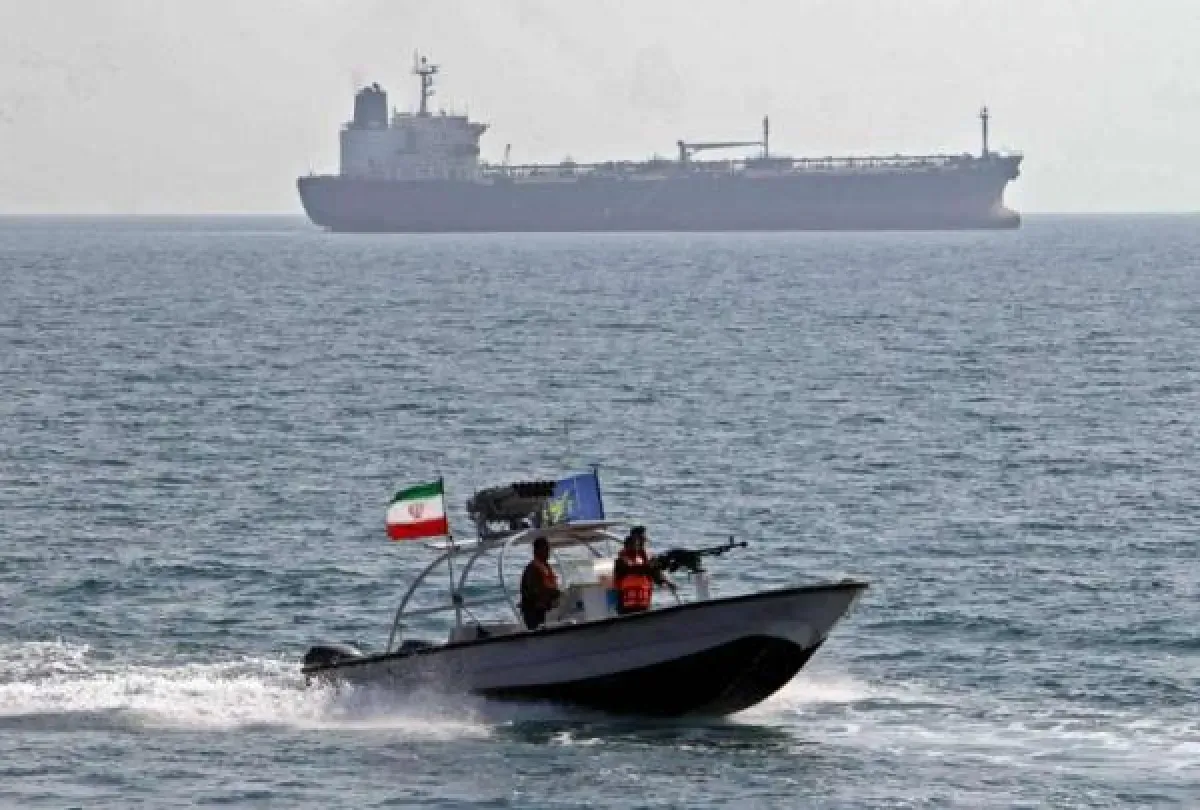
The UK Maritime Trade Operations (UKMTO) has issued a stark warning that the maritime threat environment in the region remains at a critical level, emphasizing the ongoing functional disruption within the Strait of Hormuz. In an assessment disseminated via its official X platform account, the authority stated that the maritime threat level persists as critical, with the likelihood of continued attacks against commercial vessels remaining high and operating conditions at sea deemed extremely hazardous. Operationally, the Strait of Hormuz continues to suffer functional disruption regarding customary commercial shipping traffic. The agency noted that current vessel traffic levels, combined with the behavior of ship owners and the stance of insurance providers, indicate a persistent erosion of confidence in the normal transit of commercial vessels through the vital waterway. The UKMTO, which serves as a British maritime security coordination center based in Dubai, monitors and exchanges information concerning security threats to commercial shipping across sensitive areas, including the Arabian Gulf, the Strait of Hormuz, the Red Sea, the Gulf of Aden, and the Indian Ocean. Although the assessment confirmed no confirmed attacks on commercial vessels in the preceding 72 hours, it clarified that credible threats persist across the Arabian Gulf, the Strait of Hormuz, the Gulf of Oman, the Red Sea, the Bab el-Mandeb Strait, and the Gulf of Aden. Recent incident patterns suggest a campaign aimed at disrupting maritime operations and fostering uncertainty, with strikes targeting anchored vessels, drifting ships, and support craft responding to incidents. The authority strongly advised commercial vessels operating within the critical threat zone to maintain continuous communication and reporting with UKMTO, asserting that the recent absence of attacks constitutes a temporary operational pause rather than a reduction in the adversary's capabilities or intent. Furthermore, the report stressed that the continued disruption in the Strait of Hormuz contributes to indirect repercussions affecting energy markets, shipping, bunker fuel, fertilizers, and overall global supply chain costs. The disruption has already led to reports of hundreds of vessels stacking up on either side of the Strait due to escalating security risks. |