


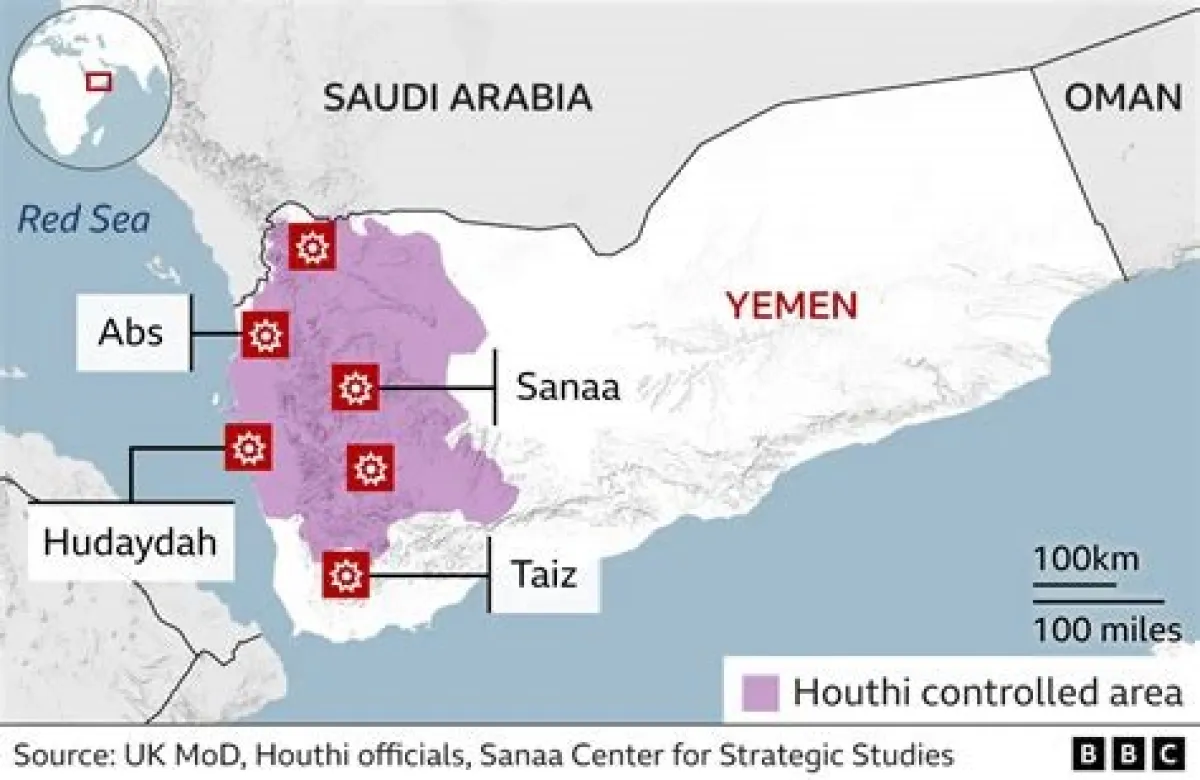
Understanding Iran’s involvement in Yemen is super crucial to grasping the bigger picture of the conflict, suggested a Thedetroit bureau’s analysis. This isn’t just about military movements; it’s about power, influence, and the ongoing struggle for dominance in a strategically vital part of the world. Iran has consistently and vehemently denied sending Iranian troops in Yemen or directly intervening in the conflict. They frame their involvement as purely political and humanitarian support for the Houthi movement, which they often describe as a legitimate national resistance against “foreign aggression”. So, while the world points fingers, Iran maintains its innocence, offering a counter-narrative that focuses on self-defense and regional stability on its own terms. The perception of Iranian involvement also influences international alliances and policy decisions. Countries that are allied with Saudi Arabia tend to view Iran with greater suspicion, while those closer to Iran might downplay or dismiss the accusations. For Iran, supporting the Houthis is a way to project power and challenge Saudi Arabia’s dominance in the Arabian Peninsula. It’s a classic move in the Great Game of Middle Eastern politics – establishing allies and undermining rivals. By keeping Saudi Arabia bogged down in a costly conflict in Yemen, Iran can divert Saudi resources and attention away from other areas where Iran might be seeking to expand its influence, like Syria or Iraq. For Saudi Arabia, this is an existential threat. They see Iran’s alleged support for the Houthis as a direct attempt to encircle them and destabilize their kingdom. The involvement, or alleged involvement, of Iran also pulls in other global powers. The United States, a key ally of Saudi Arabia, has been heavily involved in supporting the Saudi-led coalition, providing intelligence, refueling capabilities, and arms sales. Russia and China, on the other hand, have taken more neutral stances, often calling for de-escalation and diplomatic solutions, though their interests in the region are also significant. The uncertainty surrounding the extent of Iranian involvement makes it harder for the international community to form a unified response. It adds another layer of complexity to an already volatile region, impacting everything from oil prices to counter-terrorism efforts. The struggle for influence in Yemen is, therefore, a microcosm of the larger power struggle between Iran and Saudi Arabia, with significant implications for regional stability and international security. Understanding this dynamic is key to understanding why the conflict is so intractable and why external actors are so invested. The path to peace remains elusive, paved with mistrust, competing interests, and the lingering question mark over the true extent of external interference. It’s a stark reminder of how interconnected global politics can be, and how conflicts in one region can have ripple effects across the world. |