


Opinion: Any action against Iran needs to account for the proxies
|
6 hours ago
A-
A+
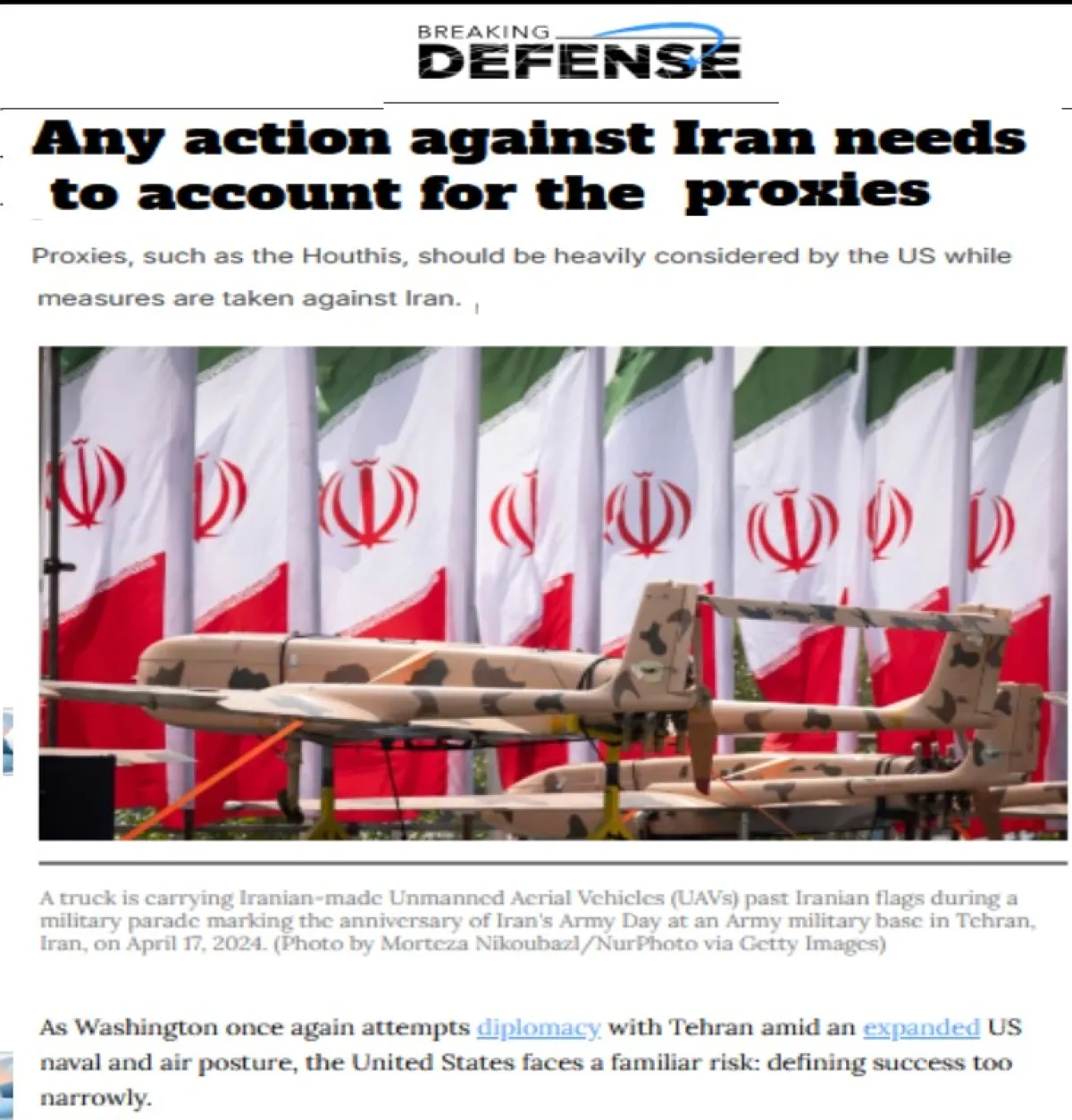
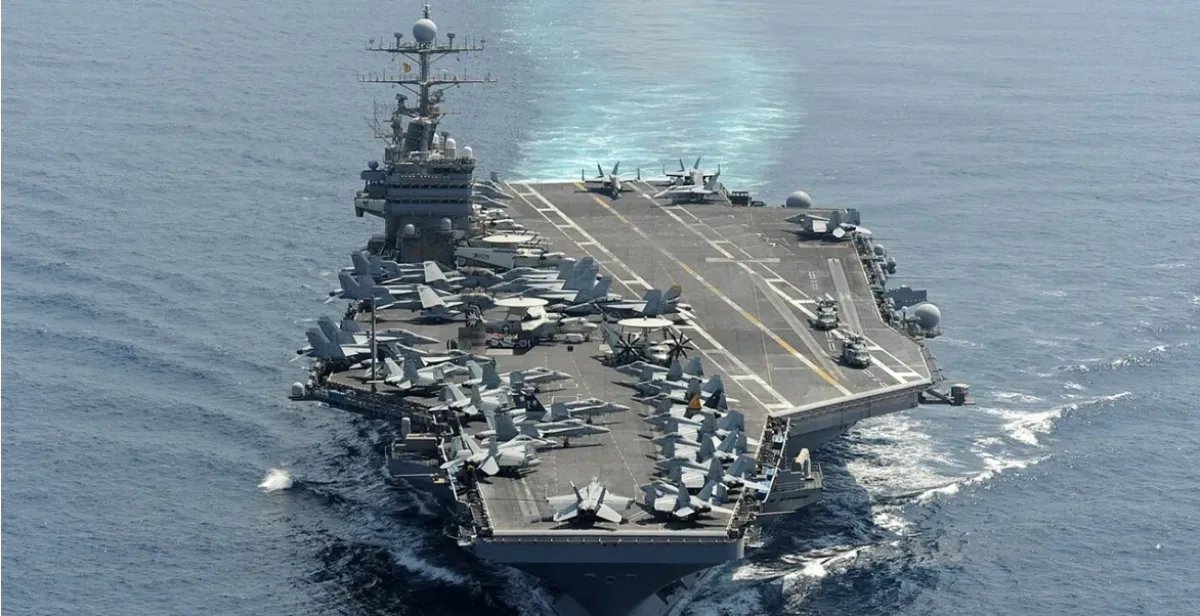
Proxies, such as the Houthis, should be heavily considered by the US while measures are taken against Iran, wrote Thomas Bergeson, Karen Gibson and Sam Mundy in breakingdefense.com news website The authors auggested that “As Washington once again attempts diplomacy with Tehran amid an expanded US naval and air posture, the United States faces a familiar risk: defining success too narrowly”. Past efforts to manage the Iran challenge have understandably focused on Iran’s nuclear program while treating regional proxies as secondary concerns. Yet Iran retains dangerous tools beyond its borders. Any outcome that leaves its proxies, in particular the Houthis in Yemen, intact risks repeating earlier failures. Within Iran’s proxy network, the Houthis are more than just the last group standing. They are unique in their proven ability to impose costs far beyond their borders and directly target core US national security interests. Thanks to years of Iranian support, the Houthis now benefit from a production system that blends local assembly with imported components. The Houthis assemble ballistic missiles, cruise missiles, and uncrewed aerial vehicles from hardened facilities embedded in mountainous terrain. They fabricate airframes, integrate warheads, and prepare launch infrastructure locally, allowing them to regenerate forces after strikes. However, this system still depends on Iranian supply chains for engines, propulsion systems, guidance units, avionics, and other specialized electronics, providing the Houthis with range, accuracy, and an operational tempo far beyond what Yemen’s industrial base could otherwise support. U.S. policy has nonetheless prioritized managing escalation over eliminating the threat. Operation Prosperity Guardian focused on defending shipping and intercepting incoming missiles and drones, but did not dismantle Houthi capacity to conduct these attacks. Against Iran and the Houthis, deterrence has failed, negotiations have produced no restraint and defensive measures and limited strikes have not reduced their ability or willingness to attack. The United States now has an opportunity to undermine a regime that has terrorized the Middle East and its own people for 40 years. But only if Washington treats the Houthi threat as part of the Iran problem rather than a parallel challenge. |