


Yemenis Face Unprecedented Hardship During Ramadan Under Houthi Control
|
2 days ago
A-
A+
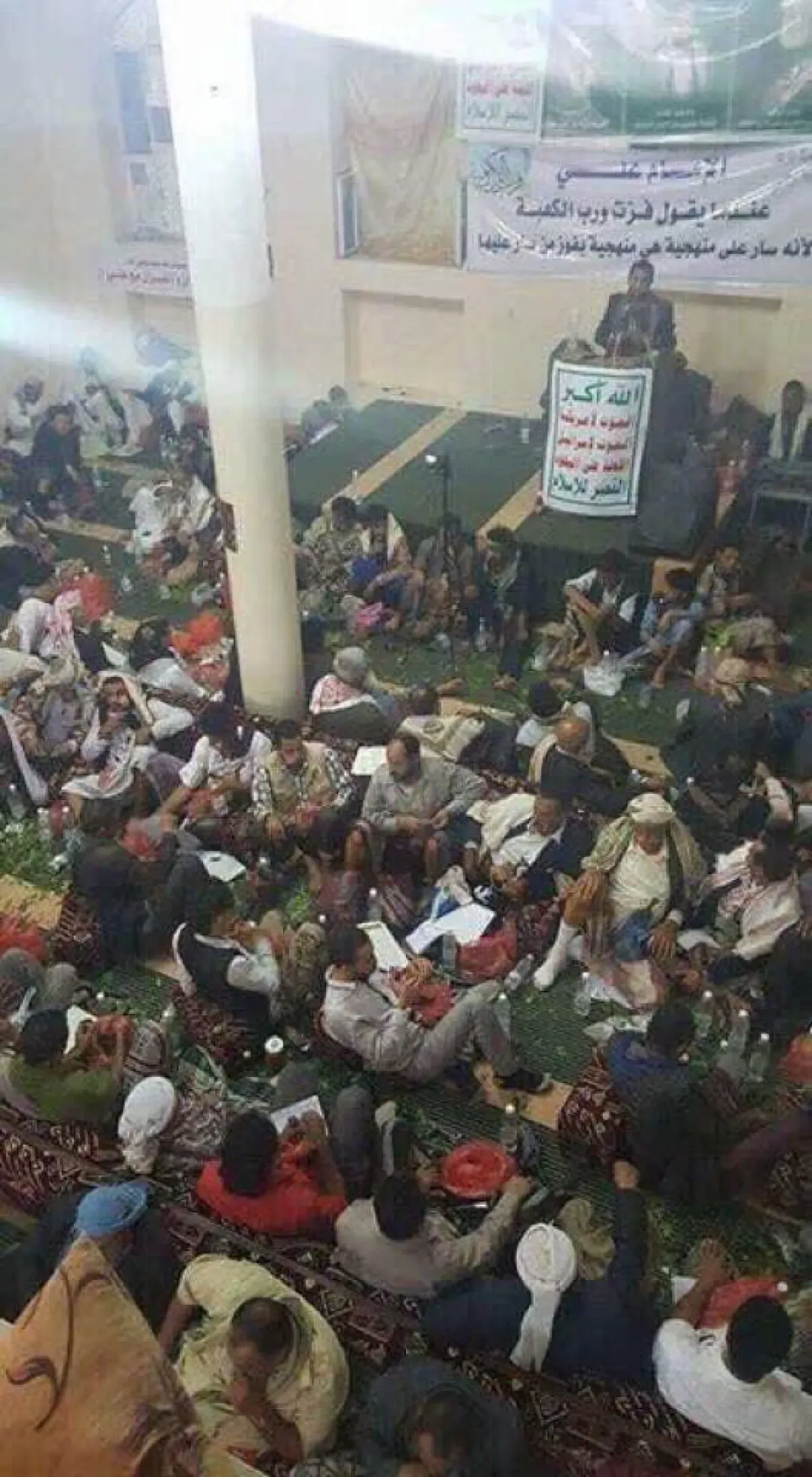
Residents in areas controlled by the Houthi militia are observing the holy month of Ramadan burdened by severe, unprecedented living and humanitarian crises amidst a deteriorating economic landscape and widespread societal distress. The traditional joy and simplicity that characterized past Ramadan rituals have largely vanished, replaced by pervasive anxiety over the future, fear of destitution, and agonizing anticipation for news of loved ones detained in prisons. Ramadan, historically a season of solidarity and mutual support, has instead become a period where accumulated crises—including salary arrears and stifled charitable initiatives—are acutely felt. The issue of unpaid salaries remains one of the most sensitive factors impacting millions in Houthi-controlled territories. Civil, educational, and health sector employees have gone years without regular pay, relying on marginal employment or meager aid insufficient to cover basic needs. This distress was amplified by a controversial statement from the unrecognized Houthi Minister of Finance, who reportedly dismissed employee demands by asserting that only God creates sustenance, a response widely viewed as a profound abdication of official responsibility. Economically, the lack of salaries has severely diminished purchasing power, emptying tables of staples traditionally present during the holy month. Merchants in Sana'a, Ibb, and Dhamar report unprecedented declines in consumer demand, noting that most shoppers limit purchases strictly to necessities. Furthermore, community-based charitable activities—such as collective Iftar tables and food parcel distributions—have significantly receded this year, according to humanitarian workers. This decline is attributed to restrictive measures imposed by the militia, which mandate that all donations pass through channels under Houthi supervision, effectively stifling independent charitable efforts. Observers suggest this centralization strips charitable work of its voluntary spirit, transforming it into a tool of influence, thereby eroding public trust. The religious atmosphere has also shifted noticeably, with political and sectarian rhetoric increasingly dominating mosque sermons, overshadowing the balanced social and spiritual character traditionally associated with Ramadan. Academics contend that attempts to reshape religious consciousness along sectarian lines constitute a crime against Yemeni Islamic culture, arguing that Ramadan should serve as a unifying space, not one of polarization. In countless homes across Sana'a, Amran, Saada, and Ibb, the Ramadan scene remains incomplete due to forced disappearances, arbitrary detentions, or long-term imprisonment without fair trial. For these families, the evening call to prayer is a moment of compounded pain, as they gather around tables missing a member. Human rights organizations continue to document these abuses, renewing urgent calls for the release of detainees and the implementation of transparent judicial processes. Despite these immense pressures, Yemenis persist in clinging to modest aspects of life, reflecting a quiet resilience against daily oppression. However, this patience masks growing societal tension. The convergence of unpaid salaries, commercial restrictions, and unresolved humanitarian tragedies suggests that Ramadan this year is merely another waypoint in an extended period of suffering, leaving the community to pray for a future marked by economic relief, unhindered charity, and the return of the disappeared. |