



UN Report Warns Yemeni Food Insecurity Crisis Likely to Worsen Until Early 2026
|
1 month ago
A-
A+
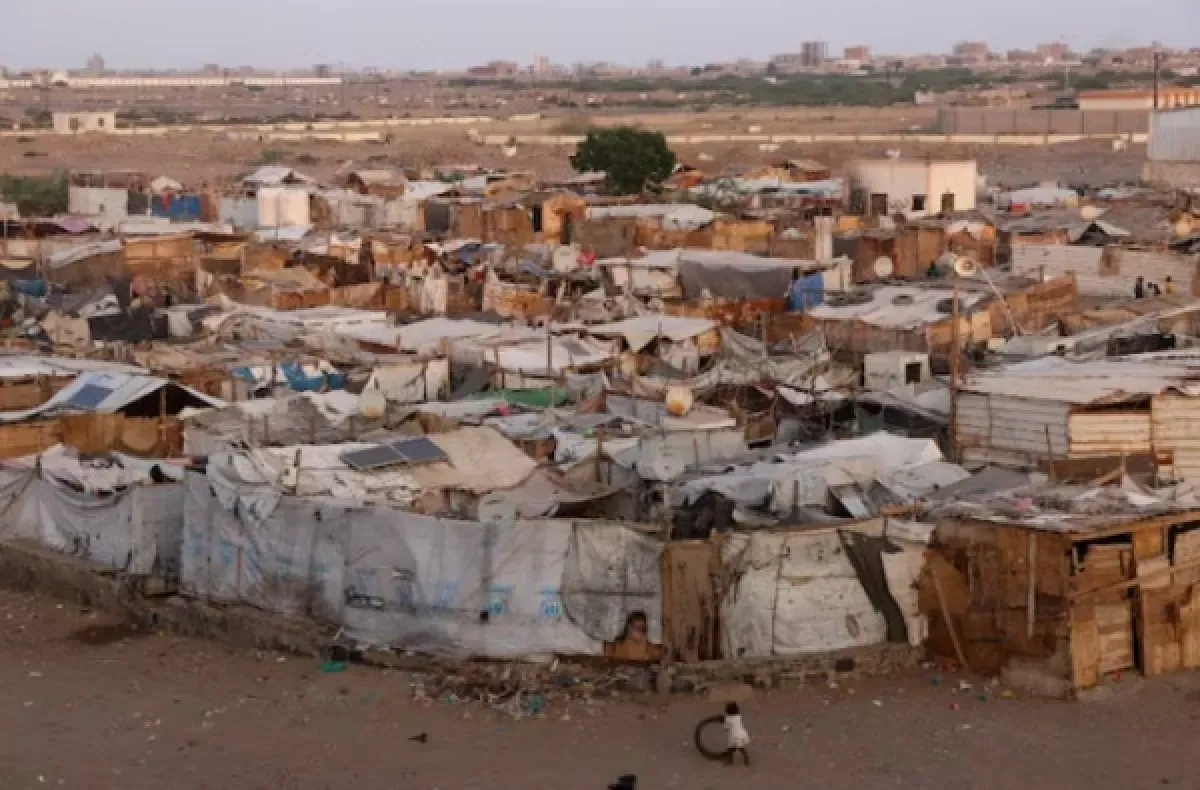
A United Nations report has issued a stark warning regarding the worsening food insecurity crisis in Yemen, attributing the persistent danger to ongoing economic fragility and escalating regional instability, confirming that high-risk levels remain across various governorates. The assessment, published by the UN Office for the Coordination of Humanitarian Affairs (OCHA) via ReliefWeb, projects that acute food security challenges are expected to persist through February 2026, maintaining humanitarian conditions at alarming levels. The report noted that recent monetary measures implemented by the Central Bank of Yemen in government-controlled areas provided a temporary boost to the Yemeni Rial's value and reduced the prices of some foodstuffs; however, these improvements were characterized as precarious and susceptible to rapid reversal. Given the precarious economic landscape, the report suggests a high probability of renewed currency depreciation and the return of inflationary surges, exacerbated by the absence of comprehensive economic reforms necessary to address the trade deficit, the depletion of foreign exchange reserves, and the ongoing dollar shortage. These risks are compounded by regional instability, rising global food prices, declining household incomes, and the imposition of local access restrictions, all of which severely limit families' capacity to secure basic nutritional needs. Concerning areas under the control of Ansar Allah (Houthis), the outlook until February 2026 appears significantly more concerning. Communities there face reduced rainfall, frost events, local conflicts, coupled with a decline in imports, lower wages, and the erosion of purchasing power. Furthermore, agricultural production prospects in these areas are deemed weak, particularly as the resumption of large-scale humanitarian food assistance and other sectoral support remains unlikely. The report detailed that, according to the latest Integrated Food Security Phase Classification analysis, more than 18 million people—approximately half of Yemen's population—will continue to suffer from acute food insecurity through February 2026, with the potential for this figure to remain stable or increase under mounting pressures. This projection follows a recent UN forecast suggesting that the number of people requiring humanitarian assistance in Yemen could exceed 22 million in 2026, under conditions described as "extremely alarming." The Yemeni government is grappling with a severe economic crisis, intensified since the cessation of oil exports in late 2022 following Houthi attacks on the Al-Dabbah and Al-Nashimah export terminals. This situation is further complicated by the monetary division between government-controlled territories and those held by the Houthis, deepening the suffering of millions of residents. |