Houthi Militias Seek Recruitment Data in Taiz Amid Exploitation Fears
|
1 hour ago
A-
A+
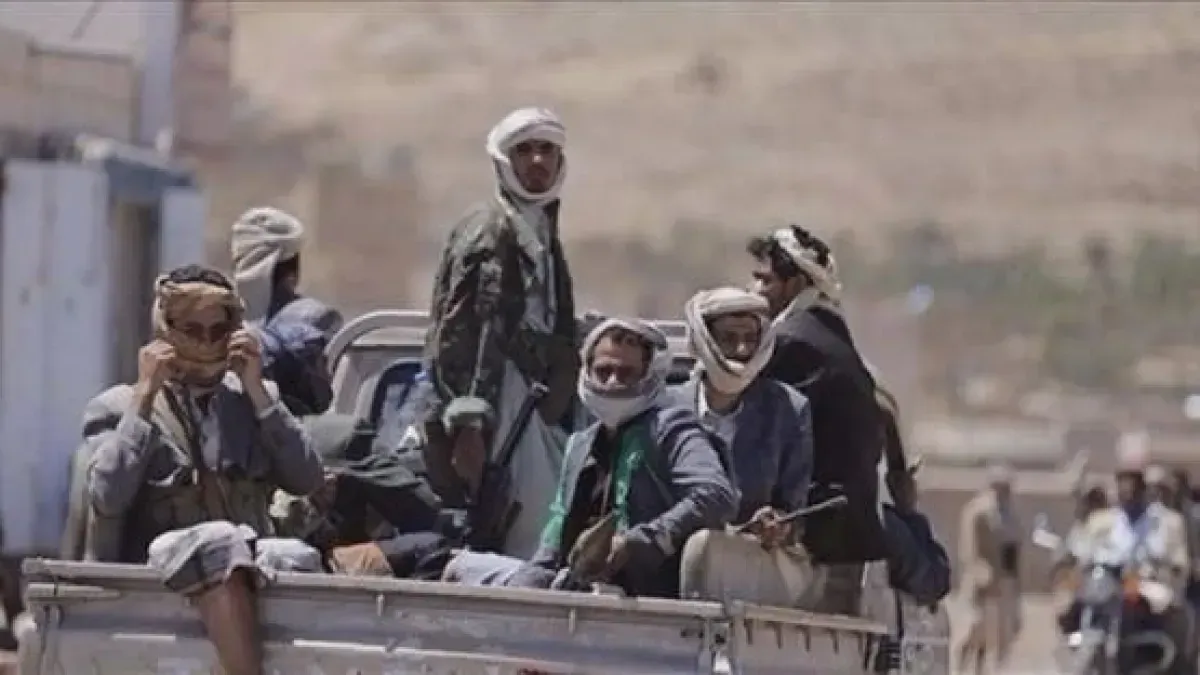
Houthi militias have intensified efforts in the Al-Ma'afir district of Taiz Governorate, seeking payroll rosters and personal data of recruits. These actions have raised significant concerns among residents about potential exploitation, including forced conscription and intimidation. Local sources indicate that Houthi elements have approached money exchange businesses in the Al-Nashmah area, demanding payroll records and stating their intention to collect them the following day. One employee from a money exchange company informed the militants that the requested rosters were held at the main branch in Taiz city, not at the Al-Nashmah branch. A Houthi recruitment official reportedly stated that intelligence suggests approximately 24,000 recruits are from Al-Ma'afir, emphasizing the ongoing pursuit of these individuals' data. This has fueled widespread apprehension among the local population regarding the potential misuse of recruits' information and whereabouts. Residents fear that those still within Houthi-controlled areas could face repercussions such as harassment, extortion, forced enlistment, or even detention if they resist the militia's demands. Some also worry about potential liquidation for non-compliance. Consequently, a considerable number of district residents have reportedly refrained from registering for recruitment, fearing the misuse of their personal information. Concurrently, the militias have been active in villages, ostensibly distributing food aid to impoverished families, while simultaneously gathering intelligence on the populace and potential recruits. These developments place money exchange businesses in a critical position, highlighting their responsibility to safeguard customer data. The situation underscores the imperative for these entities to avoid providing personal or military information to unauthorized parties, thereby protecting individuals from potential persecution, exploitation, or the use of their data for oppressive and military purposes. |