Taiz Siege: A Test of National Will Amidst Ongoing Military Operations
|
54 minutes ago
A-
A+
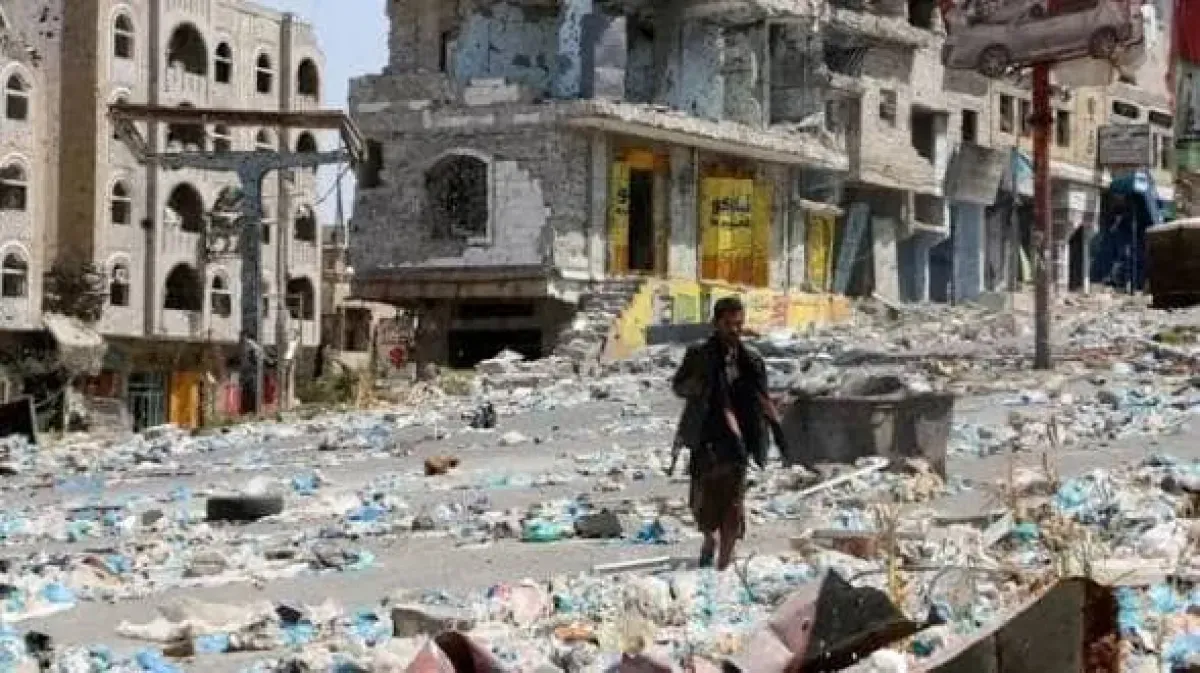
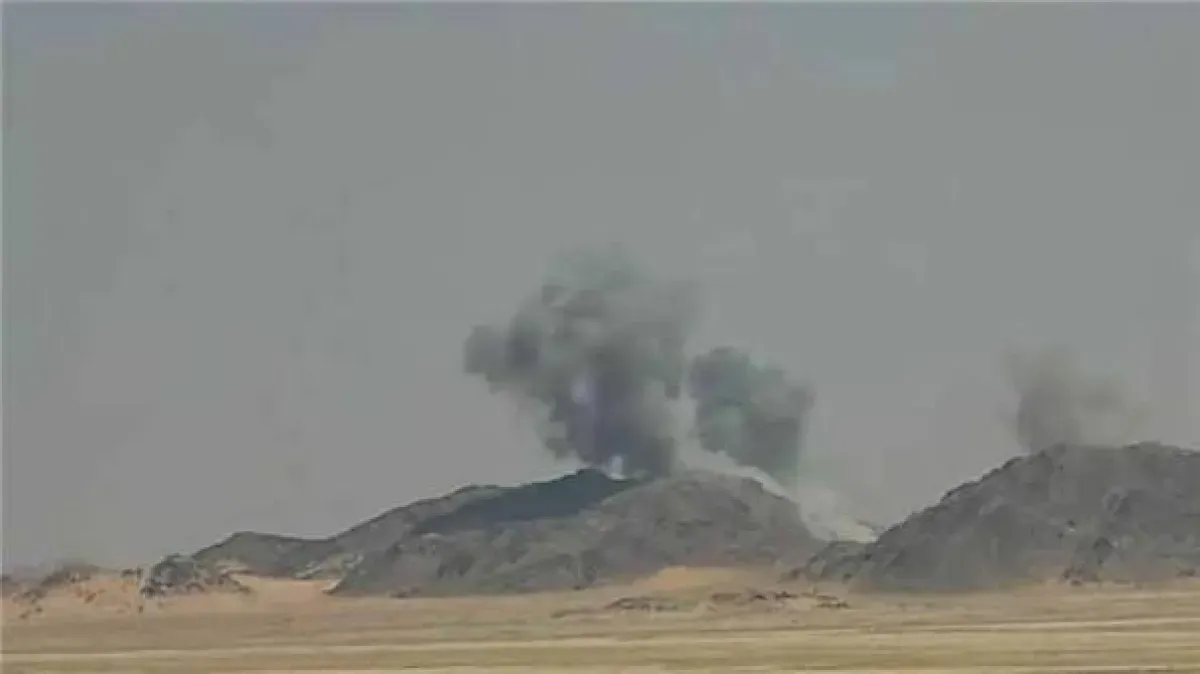
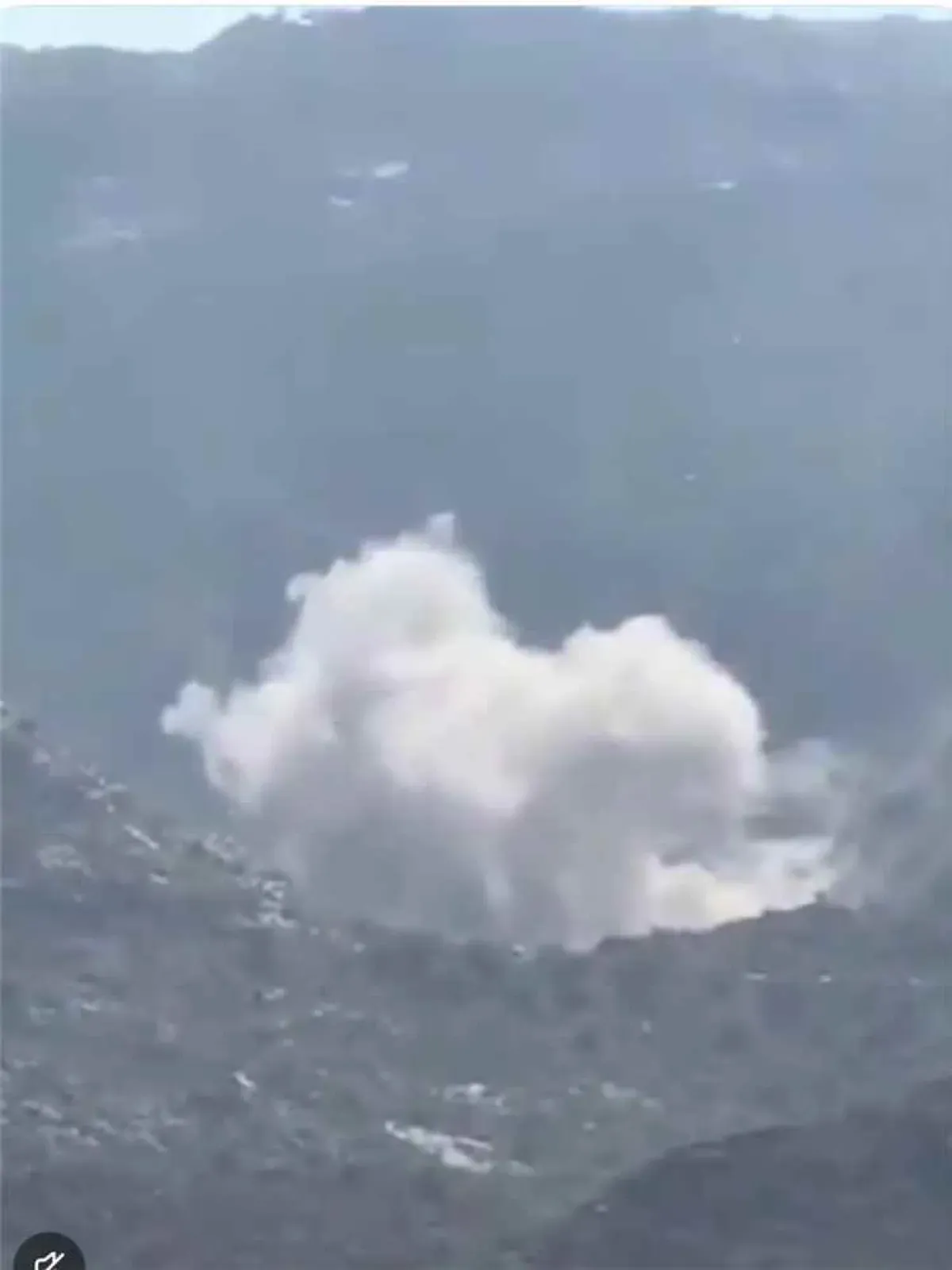
The city of Taiz, a symbol of defiance in Yemen, remains under siege, facing daily hardships due to ongoing conflict, continuous shelling, and the severe restrictions imposed by Houthi forces. Despite military operations like "Fajr Al-Yaman," the city's inhabitants continue to endure a critical situation with closed schools, overwhelmed hospitals, blocked roads, and a severe shortage of essential goods. Human rights reports paint a grim picture of the violations occurring in Taiz. In October 2026 alone, 1,444 violations were documented against civilians and civilian infrastructure, including killings, injuries, abductions, and attacks on medical facilities, educational institutions, and places of worship. The Yemeni Network for Rights and Freedoms reported approximately 356 projectiles fired into residential areas within a 73-hour period, all while movement and access to basic supplies are heavily restricted. These statistics represent the daily reality for families living under the threat of shelling, struggling to access medical care, and facing shortages of food and medicine. The launch of the "Fajr Al-Yaman" operation, aimed at breaking the siege and regaining initiative, has seen significant military actions. The Presidential Leadership Council announced over 40,000 targeted strikes, neutralizing around 20,000 Houthi elements, and disabling over 5,000 military vehicles. While these figures indicate substantial attrition against Houthi forces, the critical question remains whether these strikes translate into decisive battlefield gains that can effectively lift the siege and restore initiative. Military analysis suggests that success is now measured not merely by the number of airstrikes or declared losses, but by the government forces' ability to convert attrition into tangible victories that reopen vital routes and break the blockade. The Arab Coalition, led by Saudi Arabia, plays a crucial role in supporting government forces. However, the protracted siege and delays in its resolution raise questions about the coordination between military support and immediate battlefield needs. The coalition possesses the military and logistical capabilities to shift the balance of power, but the effectiveness of these tools depends on a rapid response to the requirements of government forces and the affected population. Beyond airstrikes and logistical support, the coalition's role should extend to securing humanitarian corridors, facilitating the evacuation of the wounded, and ensuring the unimpeded flow of aid. The siege is not just a military tactic; it is a weapon that directly threatens civilian lives, and its resolution demands integrated military and humanitarian efforts. The Presidential Leadership Council and government forces face a dual challenge: maintaining political and military unity while enhancing battlefield efficiency. Official statements affirm the continuation of operations towards their objectives, but the reality on the ground necessitates more decisive plans to break the siege and secure vital roads. Success will be measured by the ability to translate military achievements into strategic advantages, including securing cities, opening routes, protecting civilians, and regaining control of territory. This requires close coordination among military, political, and humanitarian leadership, addressing any communication or planning gaps. The core challenge lies in transitioning from reactive military responses to proactive strategic initiatives. Attrition alone is insufficient; it must be leveraged to achieve clear objectives such as lifting the siege and creating conditions for the return of normal life. The delay in lifting the Taiz siege is no longer acceptable from humanitarian or military perspectives, as emphasized by humanitarian workers and military experts. Each day of delay exacerbates human suffering and complicates the military trajectory. Therefore, the utmost priority is to translate military momentum into tangible outcomes that benefit the population and strengthen the state's position. Ultimately, the military, humanitarian, and security tracks are inseparable. The war in Yemen is a complex humanitarian and security crisis requiring decisive battlefield action and the full restoration of sovereignty. The success of "Fajr Al-Yaman" will be judged not only by deterrent actions and threat neutralization but also by its ability to improve civilian lives, break the siege, and regain control of territory. The true challenge is to transform military will into concrete results that serve the population and bolster the state, ensuring Taiz becomes a model for state restoration and human dignity for all Yemenis. |