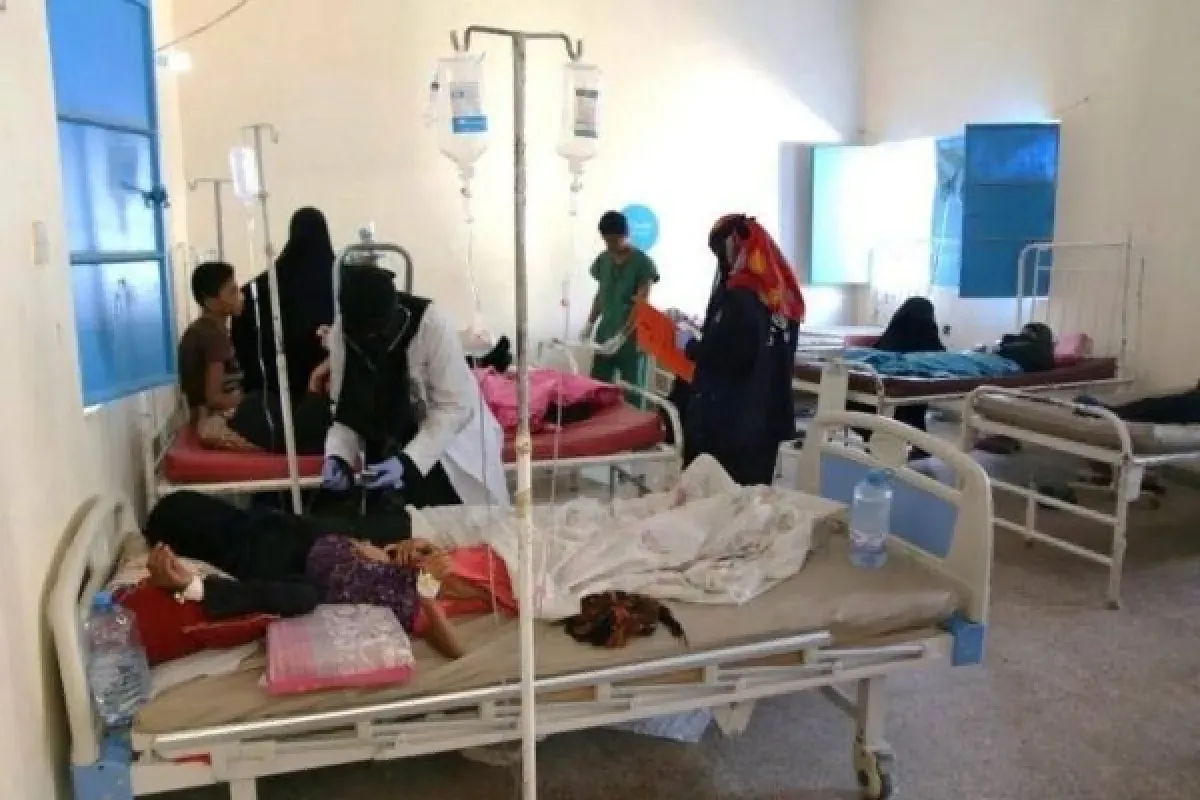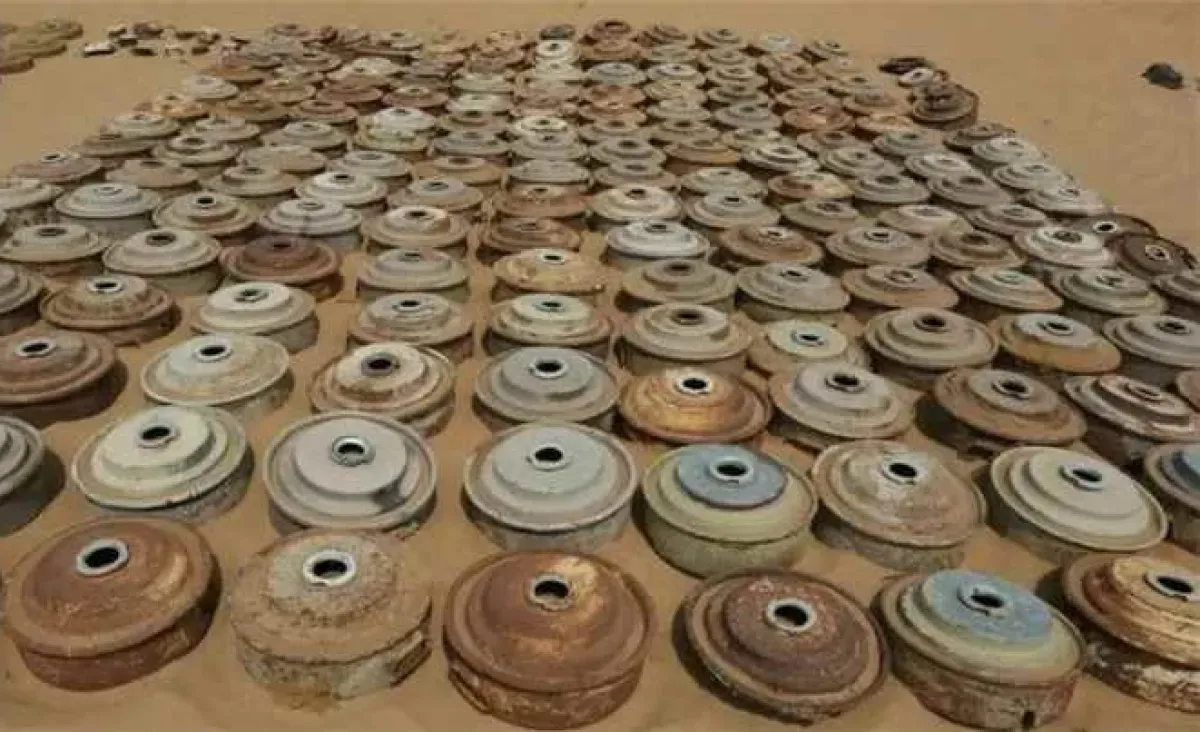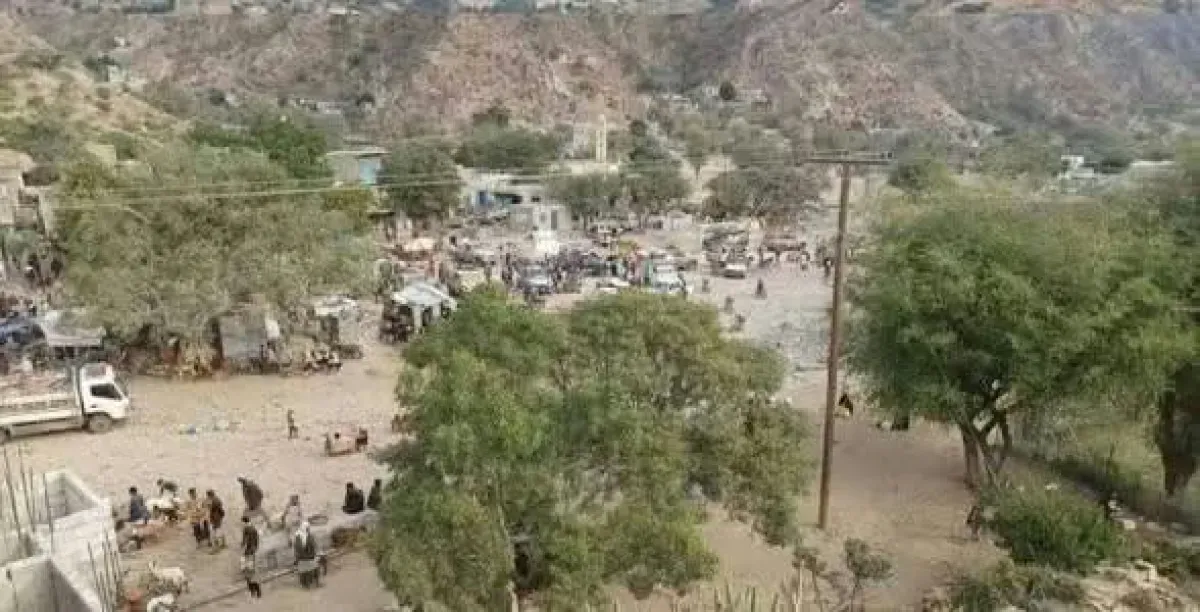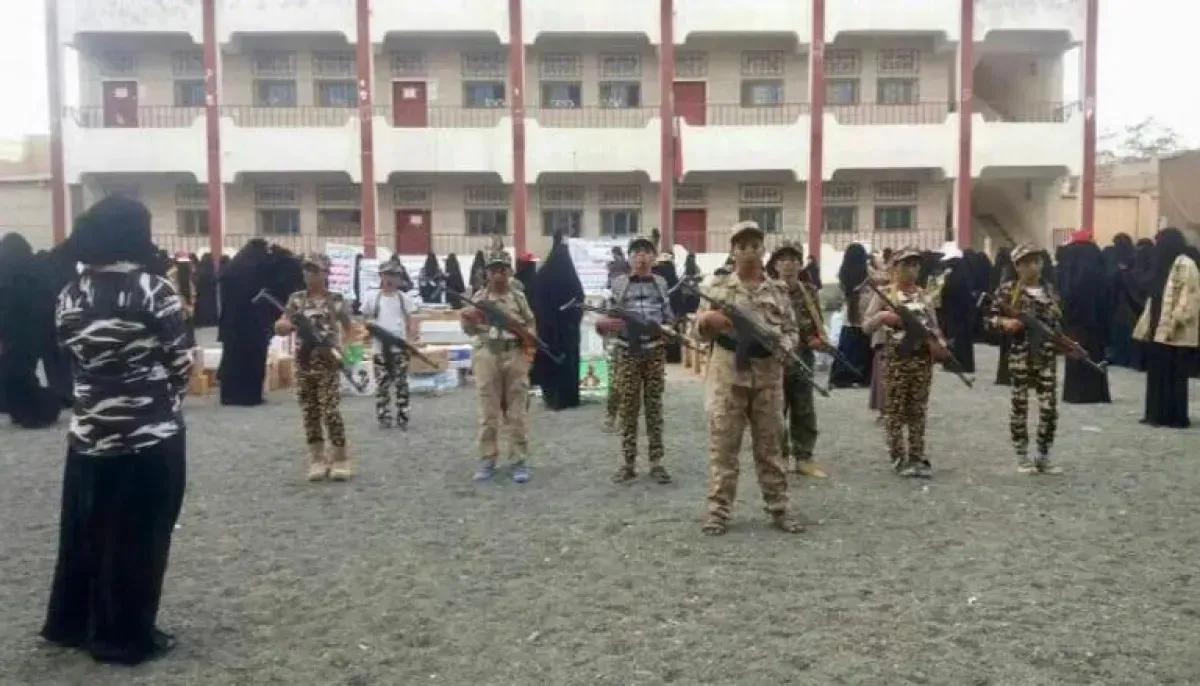
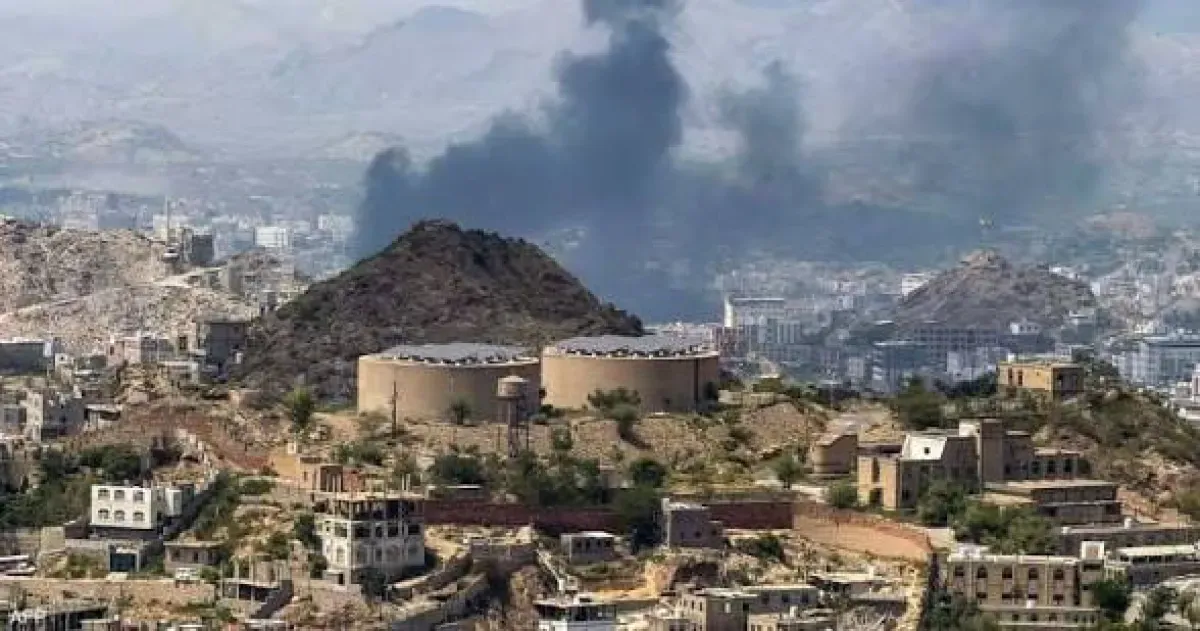
Taiz remains under a suffocating siege imposed by Houthi militias, despite the significant military capabilities and air support available to government forces and the Arab coalition. This prolonged blockade, which has resulted in civilian casualties and humanitarian crisis, prompts critical questions about the strategic effectiveness in resolving the situation. The conflict in Taiz is not merely a territorial dispute but a complex struggle for control over strategic highlands, vital routes, and supply lines. The Houthi militia leverages the mountainous terrain surrounding the city, occupying fortified elevated positions that allow them to monitor roads, disrupt troop and supply movements, and maintain military and humanitarian pressure on Taiz. This presents a paradox: superior air power has not translated into complete ground control of the geography dictating access to and from the city. Civilian populations bear the brunt of the siege and Houthi aggression, with ongoing casualties from missile and drone attacks. Reports from Taiz document a pattern of violations, including civilian deaths, injuries, abductions, and attacks on essential infrastructure, exacerbating the humanitarian crisis for nearly two million residents. Military experts attribute the complexity of the Taiz battle to its challenging mountainous topography. Control of the surrounding highlands, particularly the western and southwestern areas vital for troop and supply movement between Taiz, Lahj, the coast, and Aden, is crucial. Key strategic points like Mount Sabr and Mount Habashi are central to controlling the road network and access routes. The battle for Taiz extends beyond the city's outskirts to the surrounding corridors that serve as lifelines. Areas such as Al-Kadha, Rasen, Jardad, and Al-Hajriyah are militarily significant due to their role in the road network connecting Taiz to its environs. The government forces' objective to open the route connecting Taiz to Aden, a primary ground supply line, underscores the ongoing clashes in these areas. However, securing these routes requires complete control, preventing Houthi re-blockades or attacks on civilian and supply movements. Air strikes by the Arab coalition have targeted Houthi military capabilities, but experts emphasize that air superiority alone cannot secure ground routes or maintain mountainous positions. While air power can degrade enemy capabilities, it does not guarantee lasting territorial control. Despite reported government operations and significant neutralization of Houthi elements, these gains have not yet resulted in a full breach of the Taiz siege. The core issue lies in the government forces' ability to translate firepower into sustained ground control of strategic positions and routes. Ultimately, breaking the siege of Taiz hinges on gaining control of the commanding highlands that govern the city's access routes. This requires integrated ground operations capable of capturing, consolidating, and securing these positions, rather than temporary incursions. The mountainous terrain makes ground advances slow and costly, benefiting defending forces. The extensive length of the route to Aden, coupled with Houthi sabotage of bridges and roads, complicates any effort to secure a sustainable supply line. Therefore, success is measured not just by opening a route, but by maintaining its security and ensuring it remains a safe and stable corridor. While military gains and Houthi attrition continue, they do not automatically signify the end of the siege without establishing effective control over the routes and passages. The lifting of the Taiz siege is both a military objective and a humanitarian imperative, demanding that civilian safety be paramount in any offensive operations. Opening safe corridors for essential supplies remains the least costly option for the population. However, the ongoing blockade and attacks necessitate precise, focused military operations targeting Houthi positions and strategic highlands, minimizing risks to civilians. Taiz is currently experiencing a prolonged war, siege, and military escalation. The failure to lift the siege is not solely due to a lack of force or air support but is rooted in a geographical and military equation: highlands controlling roads, roads controlling supplies, and supplies dictating the city's resilience. Transforming air superiority into sustainable ground control of key highlands and corridors is paramount. Concurrently, the severe humanitarian cost demands continued pressure to open safe passages for civilians and essential goods. The reality in Taiz will only change when the balance of power on the ground shifts, converting the control of highlands and corridors from instruments of strangulation into arteries of life and movement. |