


Yemen: Houthi Coup Anniversary Sparks Debate on State Identity vs. Hereditary Rule
|
1 hour ago
A-
A+
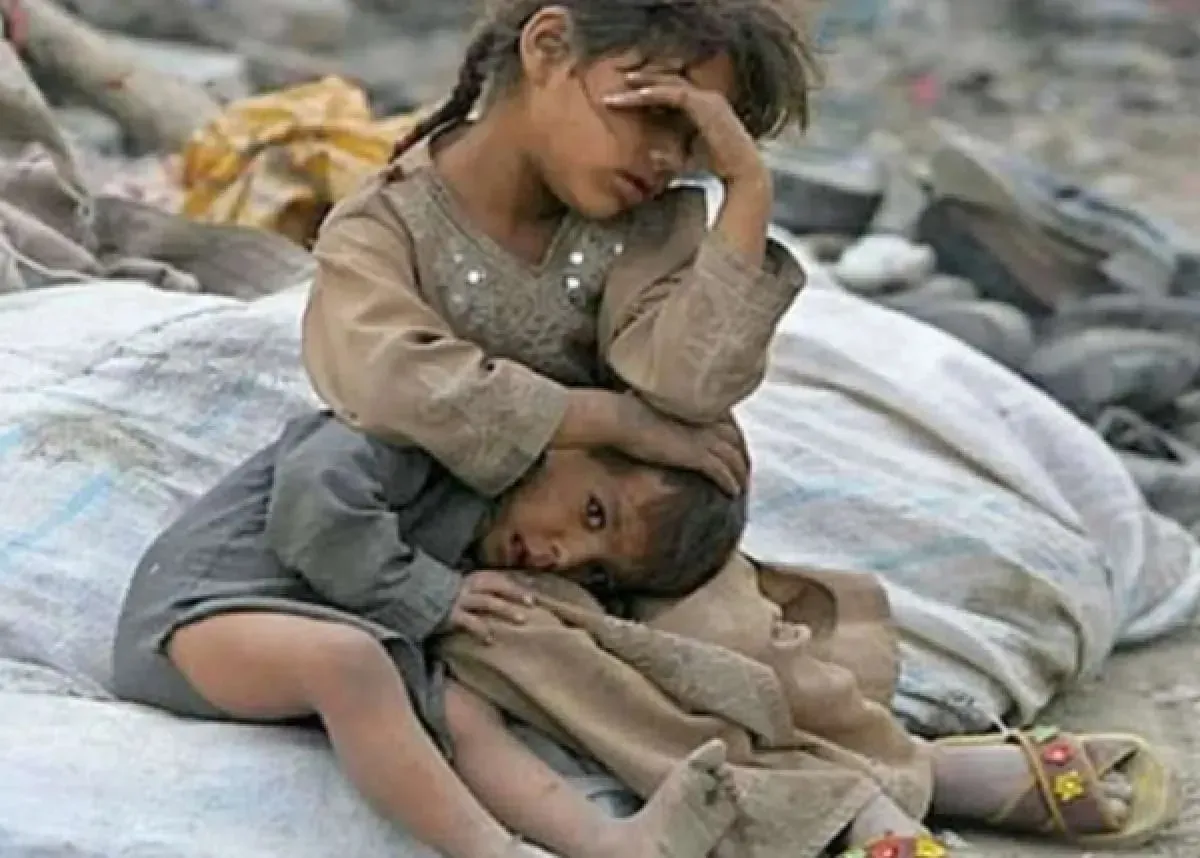
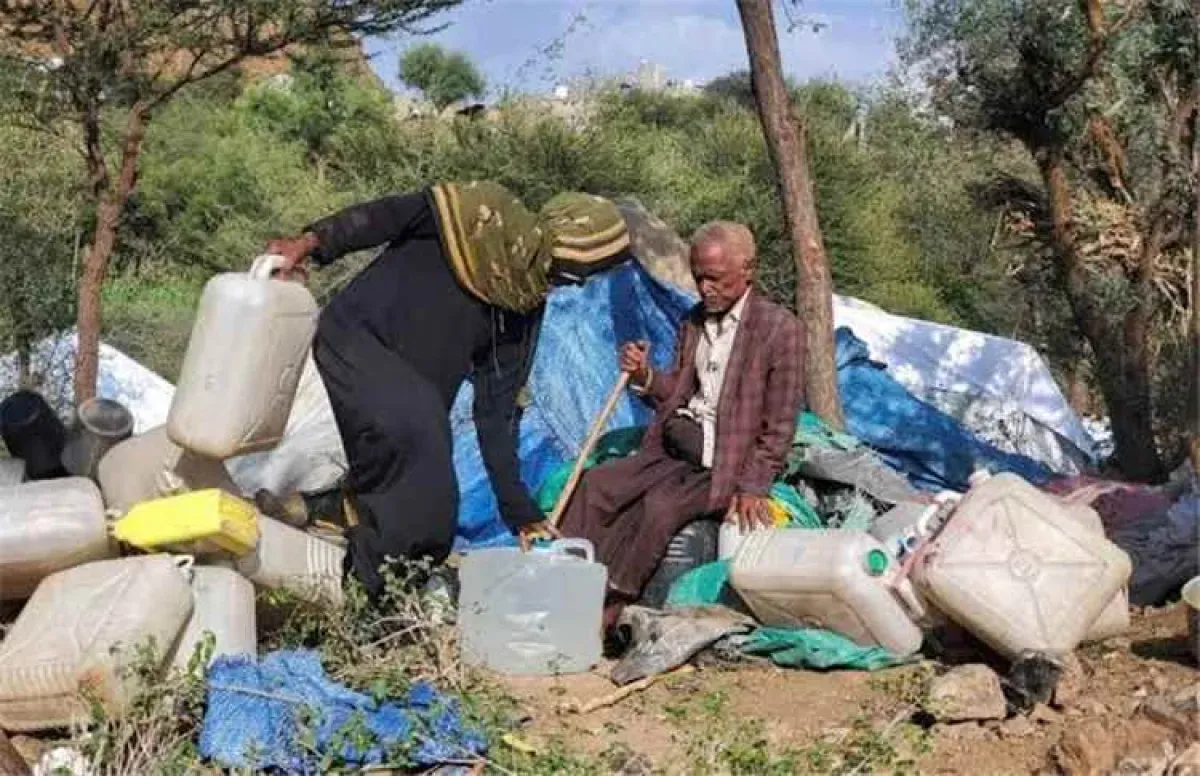
The anniversary of September 21, 2014, has evolved beyond a contentious point in political narratives into an occasion to reflect on the repercussions of the Houthi militia's coup against state institutions and the republican system. This has led to prolonged conflict, political and social division, economic hardship, and the cessation of salaries for vast segments of the workforce, alongside displacement, human rights abuses, and the erosion of freedoms. In contrast to the militia's attempts to portray this day as an extension of the September 26, 1962 revolution, criticisms are mounting that this narrative contradicts republican principles founded on equality, the elimination of class privileges, and the right of Yemenis to choose their leaders. Naji Babaker, a member of the political bureau of the Democratic People's Party (Hashed), stated that the escalating Houthi campaigns against the September 26 revolution reflect popular rejection of the militia's project, which is based on the claim of a "divine right" to power and wealth. Babaker explained that the Iranian-backed militia, facing popular dissent, has intensified its media campaigns against the revolution and its symbols in an effort to present the September 21 coup as its culmination. However, this approach compels Yemenis to compare the two events, their principles, and their outcomes. He further elaborated that the fundamental difference between the September 26 revolution and what the militia terms the "September 21 revolution" lies in the nature of their political projects. The revolution aimed to establish just republican governance and eliminate class disparities and privileges, which stands in stark contrast to the Houthi project's entrenchment of sectarian privileges and the confiscation of citizens' right to elect their representatives. The evaluation of these events, he argued, should not be limited to slogans but must encompass the rights they afforded Yemenis and the burdens and restrictions they imposed. Babaker pointed out that the republican experience, despite repeated attempts to undermine it which caused setbacks and failures, established the principle that power is a public matter, not a hereditary privilege or an exclusive right of a family or lineage. Conversely, he considers the Houthi claims of a divine right to rule, which their project seeks to solidify, to be incompatible with equal citizenship and to undermine the principle of deriving legitimacy from the will of the citizens, not from lineage or religious selection. Beyond the debate over terminology, the tangible outcomes of the years following the September 21 coup are undeniable. These include an protracted war, the division of state institutions, and the deterioration of economic and humanitarian conditions. Since 2014, public institutions have struggled to fulfill their functions, and the suffering of Yemenis has deepened due to displacement, loss of income, rising living costs, and declining basic services. The issue of salaries has emerged as one of the most painful consequences of the crisis, with the disruption of payments for a large number of employees undermining their ability to support their families amidst escalating poverty and dwindling job opportunities. The political and military division has exacerbated social, regional, and sectarian rifts, causing extensive damage to education, health, and service sectors, in addition to waves of internal and external displacement. Human rights organizations continue to document severe abuses by the militia, including arbitrary arrests, kidnappings, suppression of dissent, and restrictions on freedoms and civil and educational activities. Critics argue that the coup's repercussions extend beyond power shifts to the very fabric of the state and society, with millions of Yemenis still paying the price for accumulated crises. The escalating Houthi rhetoric against the September 26 revolution carries significance beyond historical disagreement, reflecting a struggle for the identity of the Yemeni state, the source of its legitimacy, and the national memory associated with ending Imamate rule and establishing the republican system. Babaker believes that attacking the revolution and its symbols will not diminish its standing in the Yemeni consciousness but rather expose the contradiction between republican principles and the sectarian project adopted by the militia. While the republican experience faced conspiracies at various stages, leading to some failures, this does not justify overthrowing state institutions or imposing a political project by force of arms. Approximately 12 years after the September 21 coup, Yemenis continue to grapple with fundamental questions about the state, rights, salaries, security, and stability amidst division, war, and worsening living crises. This highlights the paradox raised by critics of the anniversary's commemoration: how can an event be presented as a popular revolution when its consequences are linked to the collapse of state institutions, the widening of conflict, increased public suffering, the decline of freedoms, and the deepening of division? The evaluation of historical events should not rely solely on slogans but on their impact on people's lives and their adherence to principles of freedom, justice, and equality. At its core, a revolution is not a privilege monopolized by a group, nor power imposed upon society in the name of religion or lineage, but a national liberation project whose legitimacy is measured by the dignity, freedom, and justice it grants to individuals, and the right it affords the people to choose their leaders and shape their future. |