


Ibb Province Faces Houthi Domination: Extortion and Security Purge
|
2 days ago
A-
A+
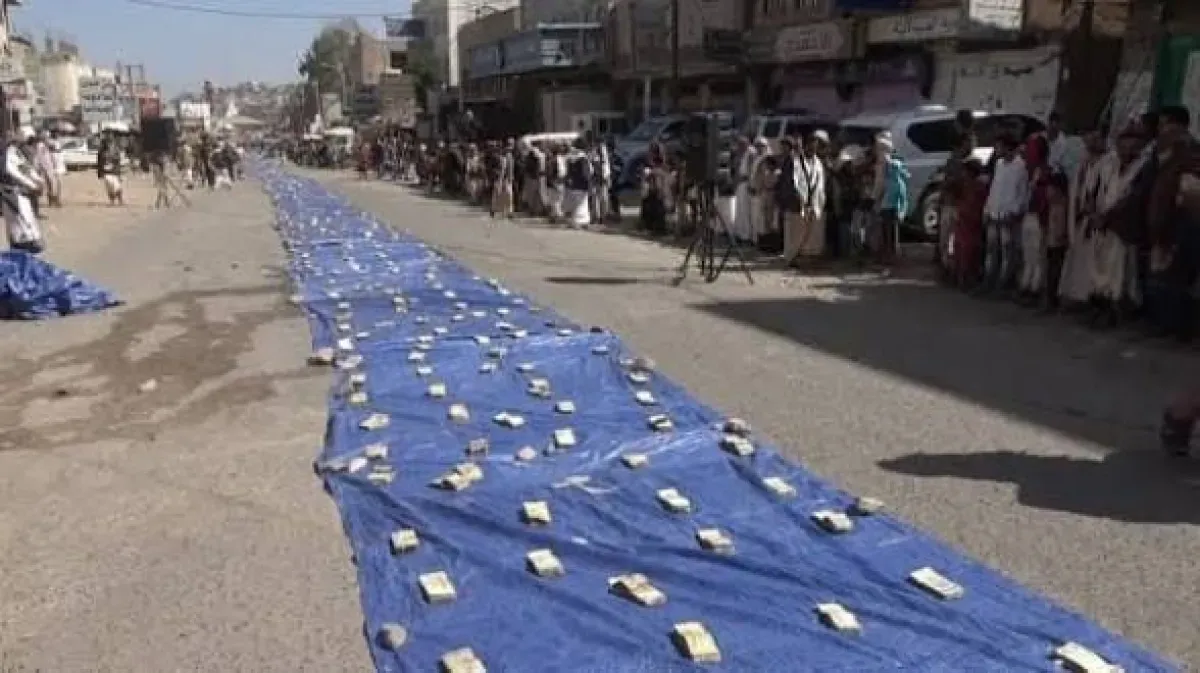
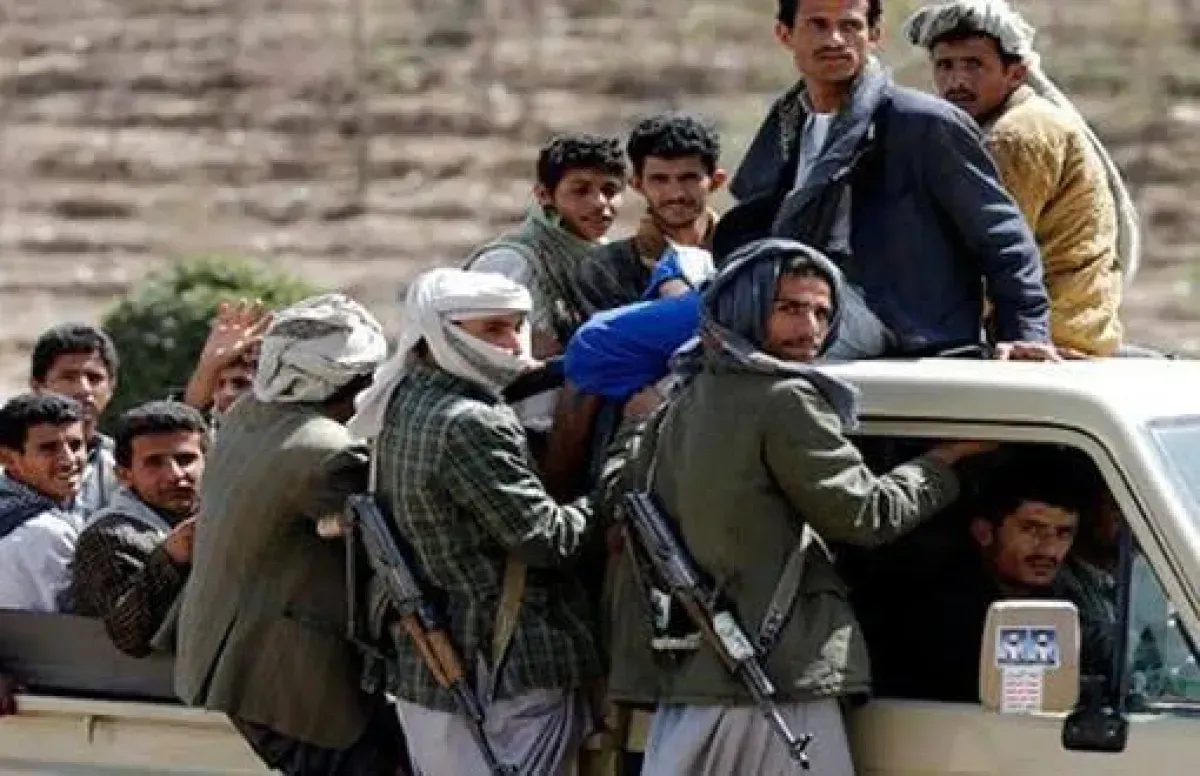
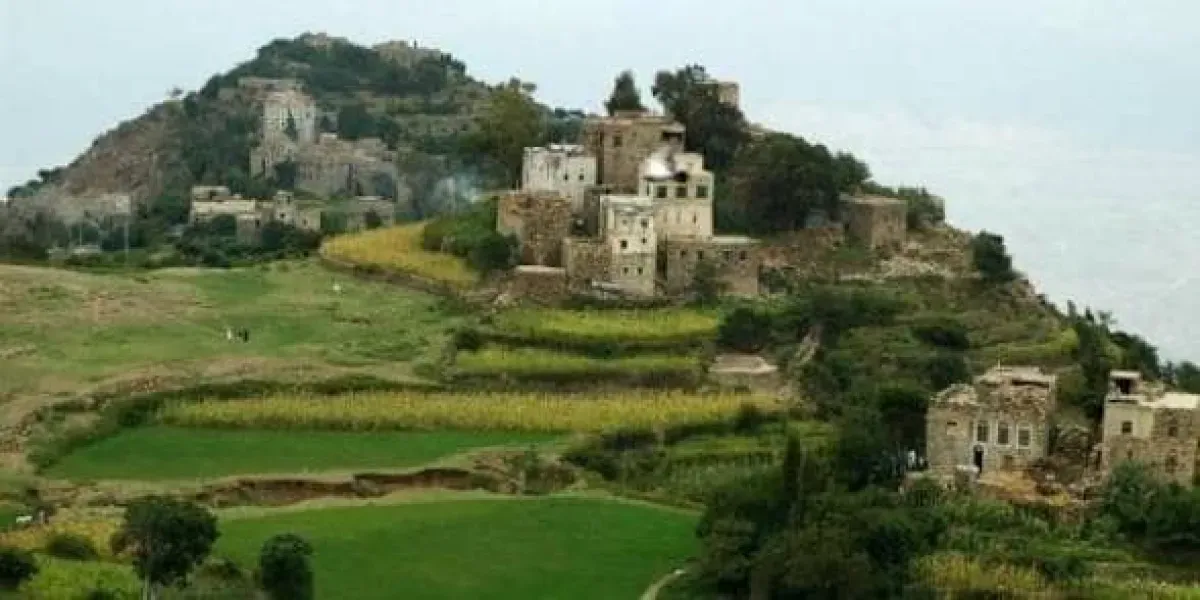
The Houthi militia's grip on Ibb province is intensifying, marked by a surge in extortionate taxes levied under the guise of religious observances and a sweeping security restructuring that displaces local officials in favor of outsiders. This situation exacerbates the economic hardship faced by the densely populated province amidst escalating military developments across Yemen. Ibb province is experiencing profound administrative, security, and economic transformations under the Houthi administration. As military tensions rise nationwide, the province faces increased pressure, with widespread public complaints about escalating financial levies, particularly in anticipation of religious holidays like the Prophet's birthday. Concurrently, a significant overhaul of security and executive administrative positions is underway, replacing local cadres with Houthi figures from other governorates. The province has become a focal point for successive waves of informal fees and extortions, with seasonal events serving as primary justifications. As preparations for the Prophet's birthday commence, public spaces in the provincial capital and its key districts have transformed into arenas for intensive campaigns to solicit financial and logistical support. Local sources, including merchants, business owners, and contractors in Ibb, Yarim, and Al-Odin districts, report that committees overseeing these events impose substantial financial contributions on commercial establishments, service providers, and private hospitals. These levies range from fees for green decorations to contributions for organizing convoys and mobilizing supporters. This extortionist practice extends beyond organized businesses to include popular markets, khat vendors, and rural farmers. Additional fees are also imposed on official government transactions under the pretext of supporting these events. Local observers note that these measures significantly increase the economic burden on citizens, particularly in light of declining purchasing power, suspended civil servant salaries, and deteriorating basic services. On the administrative and security fronts, field data and a human rights monitoring report reveal a systematic strategy to diminish the role of Ibb's own residents in governing their province. This includes sidelining leading figures and cadres who have previously aligned with the Houthi movement. Sensitive leadership positions, particularly in security, police, intelligence, and public works sectors, are increasingly filled by individuals from Saada, Hajjah, Amran, and Dhamar. This has resulted in a multifaceted marginalization of local social components and influential figures within Ibb. These appointments have ignited growing anger among the province's activists and politicians, who assert that excluding locals from managing their own institutions is tantamount to disenfranchisement. They argue that this policy deprives local talent of their fundamental administrative rights and places all 20 districts of Ibb under the full control of external Houthi militia elements occupying the entire leadership hierarchy. The detailed breakdown of appointments indicates a complete Houthi consolidation of power within the security and administrative structures of Ibb. Leadership positions in the provincial police, criminal investigation department, and various district security directorates are overwhelmingly occupied by Houthi affiliates from outside the province, notably from Saada, Hajjah, Amran, Dhamar, Al-Bayda, and Taiz. This composition highlights a sectarian and tribal favoritism that prioritizes external loyalties over local expertise and representation. The consequences of these appointments are profound, demonstrating a tight Houthi control and discriminatory practices across the province's security apparatus. This has led to an overreliance on security and military solutions for local governance. This dominance is compounded by rising societal discontent stemming from a lack of transparency in managing local revenues, which are reportedly diverted towards the war effort and ideological activities rather than development projects or infrastructure maintenance. The exclusion of local leaders, even those who had previously joined the militia, has undermined local decision-making and stripped tribal elders and social dignitaries of their traditional roles in mediation and conflict resolution, with security and administrative decisions now emanating directly from executive leaders in Saada, Amran, and Hajjah. In this complex scenario, Ibb province faces a precarious future. While financial pressures mount to mobilize resources and personnel for the escalating frontlines, policies of exclusion are deepening geographical and social divisions. This creates an environment rife with internal tension, maintained under a stringent security grip, leaving the province's future uncertain. |