


Yemen's Houthis Threaten Saudi Shipping, Raising International Concerns
|
5 days ago
A-
A+
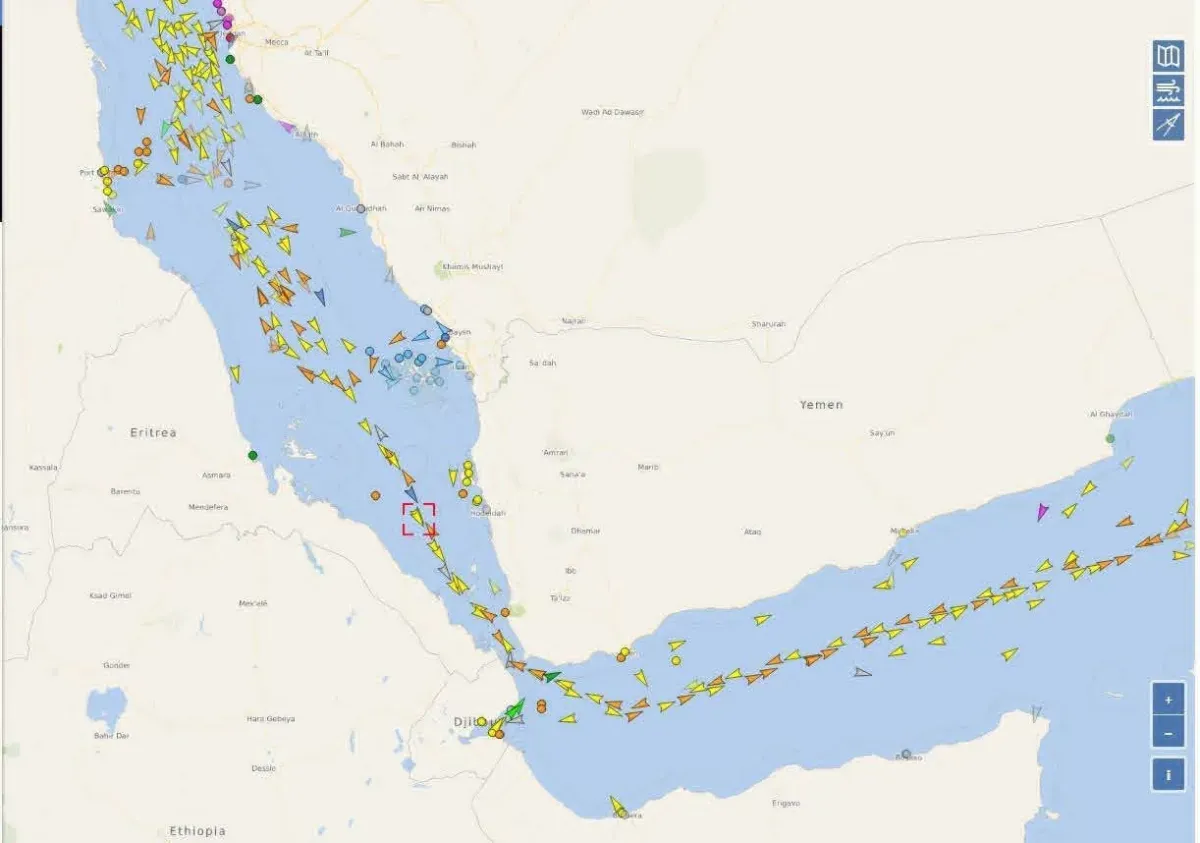
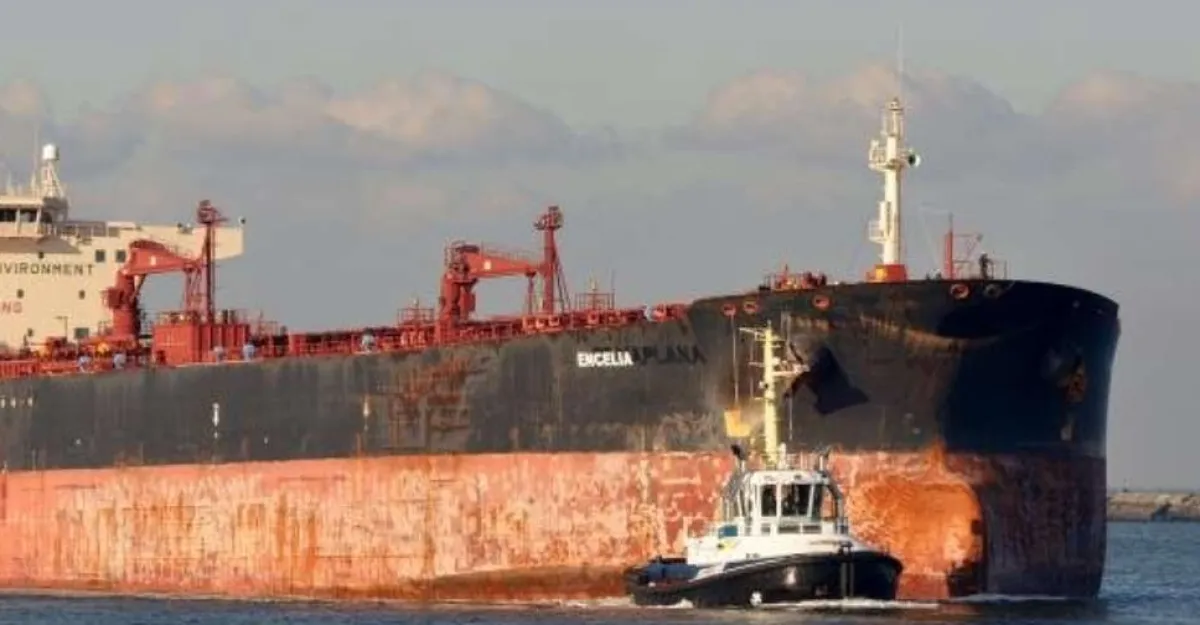
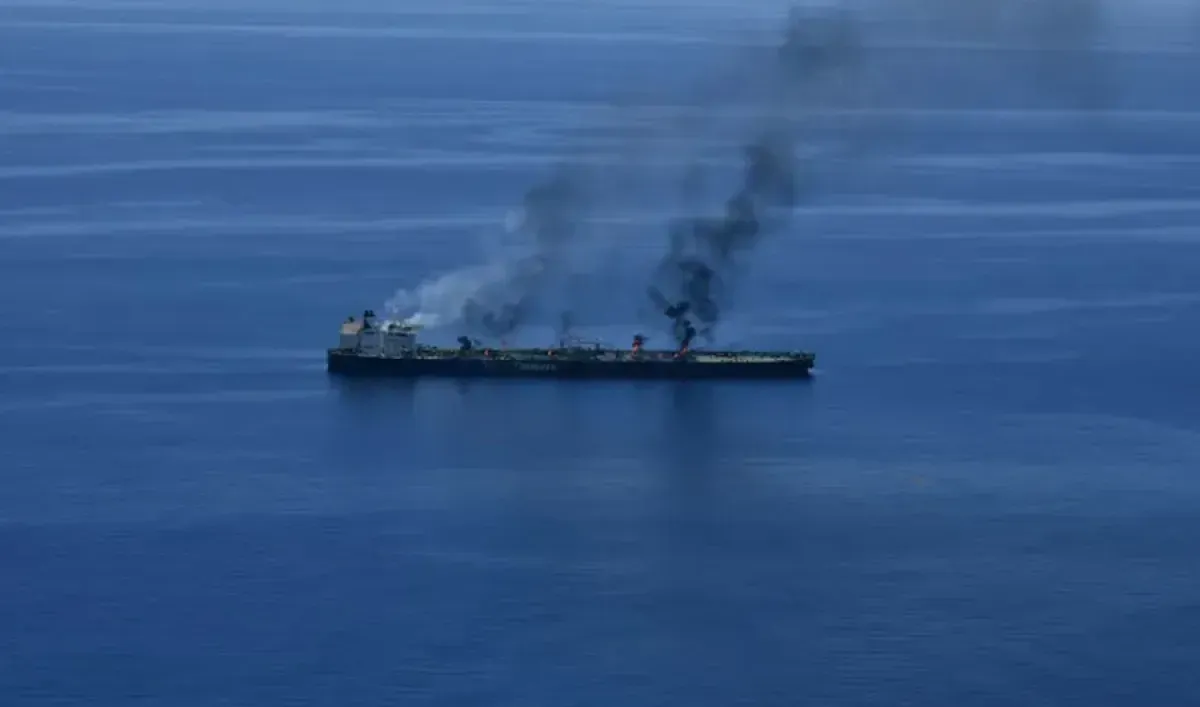
The Houthi militia's announcement of a maritime navigation ban targeting Saudi Arabia marks a significant escalation in the Yemeni conflict, drawing international attention to potential threats against global shipping lanes in the Red Sea and the Bab al-Mandab Strait. This development occurs amid heightened regional tensions, fueling speculation about broader geopolitical implications. The military spokesperson for the Houthi movement declared that the ban on Saudi-linked maritime traffic is now in effect, vowing further actions against what they described as Saudi targets in the Red Sea. This declaration represents a shift in the militia's rhetoric, which had previously focused on vessels allegedly linked to Israel before extending its threats to Saudi Arabia. Analysts suggest this move could increase risks for international trade traversing one of the world's most critical maritime corridors. The Bab al-Mandab Strait is a vital artery for global commerce, handling a substantial volume of oil exports and goods moving between Asia and Europe. Any security disruption in this area garners widespread regional and international concern. The Houthi announcement coincides with increased political and military pressure on Iran, including tightened U.S. sanctions and efforts to curb its economic and military activities, alongside recent tensions surrounding Iranian flights to Sana'a airport. Analysts posit that the timing of this escalation suggests the Houthi movement is operating within a broader regional framework, given recurring accusations that Iran uses the Houthis as a leverage tool against its adversaries. The Yemeni government and several Western and regional nations accuse Tehran of providing military and logistical support to the Houthis, though Iran denies these allegations, stating its support is purely political. The Houthi declaration has triggered widespread reactions within Yemeni political and media circles, with observers viewing threats to Saudi navigation originating from Yemeni territory as a precursor to a wider conflict that could prompt regional and international responses to protect shipping routes. Security experts warn that targeting Saudi interests or disrupting commercial shipping will likely lead to an increased international military presence in the Red Sea, providing maritime powers with additional justification to enhance operations aimed at safeguarding commercial vessels and ensuring freedom of navigation. Furthermore, any new escalation in the Bab al-Mandab could directly impact global energy markets, increasing shipping and maritime insurance costs due to the strait's critical role in international trade. Within Yemen, politicians and military officials have labeled the Houthi declaration a dangerous escalation aimed at drawing the country into further regional conflicts. They call for enhanced support for the legitimate government and armed forces to restore state institutions and end the threats posed by the militia to navigation and regional security. These viewpoints emphasize that the Houthis' continued control over significant portions of the Red Sea coastline empowers them to threaten a key maritime passage, thereby elevating the resolution of the Yemeni conflict beyond a local issue to one of regional and international security. The Red Sea and the Bab al-Mandab Strait are among the world's most crucial maritime routes, facilitating a significant percentage of global trade and energy supplies. Any threat to navigation in this area causes concern for international markets and nations reliant on this sea lane. Over the past two years, attacks and threats against commercial vessels have compelled many global shipping companies to reroute their ships around the Cape of Good Hope, leading to increased transportation costs and delays in global supply chains. Observers believe the Houthi ban on Saudi navigation signifies the militia's progression to a new level of escalation that extends beyond the Yemeni arena, amidst the complex entanglement of the Yemeni crisis with regional tensions between Iran and the United States and its allies. |