


Yemen Conflict Escalates as Military Resolution Gains International Backing
|
1 week ago
A-
A+
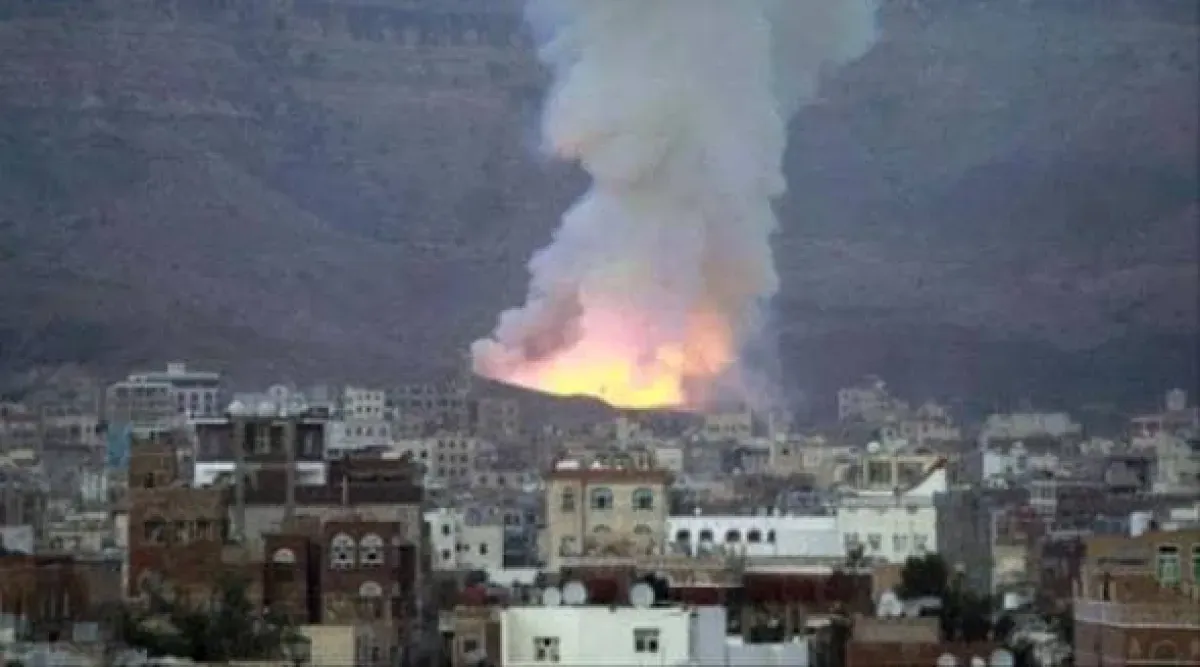
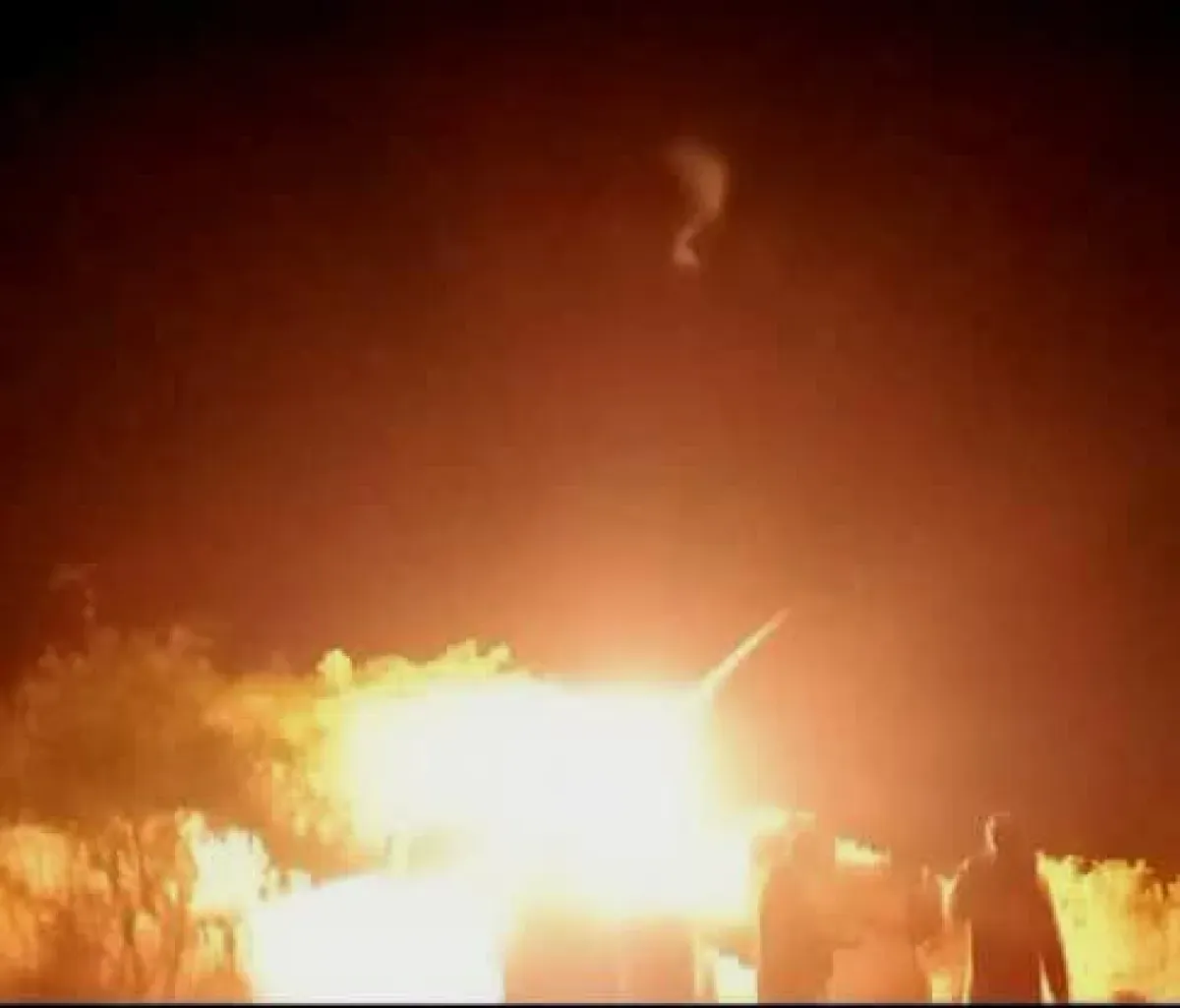
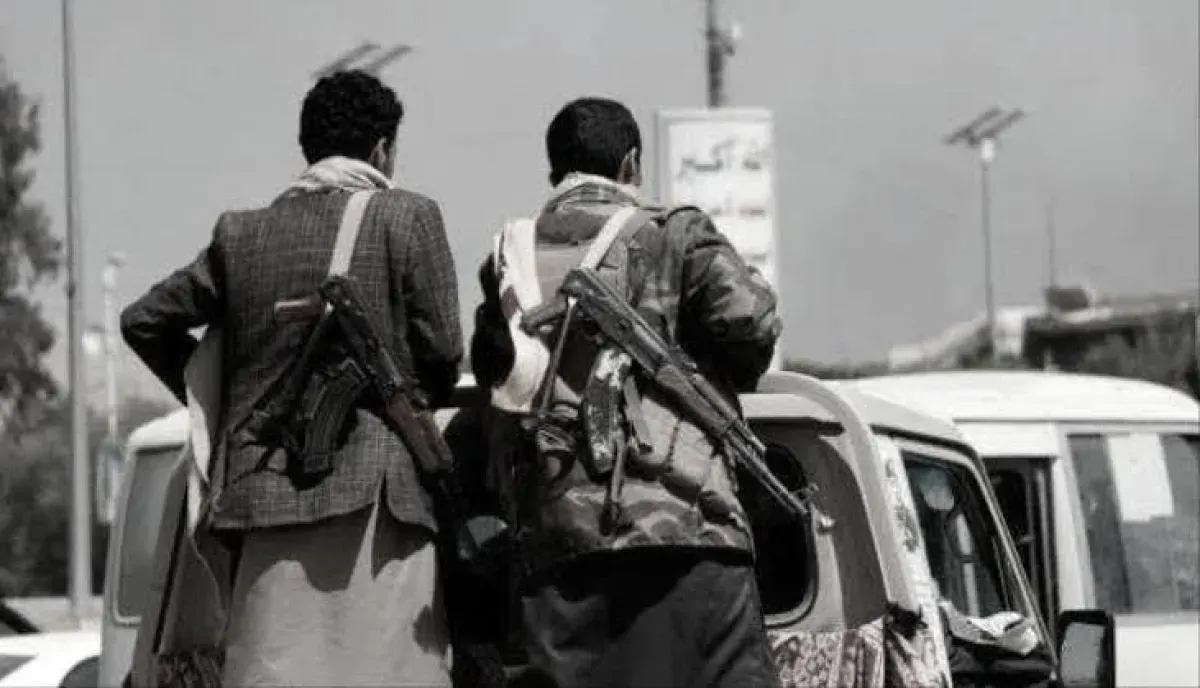
Recent military developments in Yemen and the wider region signal the definitive end of the fragile 2022 truce. Following defensive strikes on Sana'a Airport's runway to prevent its penetration by an Iranian Mahan Air flight, and subsequent Houthi militia attempts to target Saudi Arabia and civilian infrastructure, it appears the region and the international community are reassessing their geopolitical strategy towards Yemen. This shift is driven by the realization that a political peace approach with an Iran-aligned, ideologically driven militia has proven ineffective. The incident involving the Iranian aircraft, which was compelled to land in Hodeidah, was more than a mere occurrence; it represented an explicit Houthi declaration of defiance against Yemeni sovereignty and an attempt to impose a fait accompli serving a specific agenda. This overt challenge prompted a firm response from the Yemeni legitimate government, supported regionally and pressured internationally. President Rashad al-Alimi stated that the state's patience had run out and that the targeting of the airport was a defensive measure to reject the legitimization of Iranian interference. This stance reflects a fundamental transformation in the legitimate government's political mindset, moving from absorbing provocations to direct deterrence, according to observers and political analysts. The current escalation in Yemen coincides with what are described as the most intense and damaging American and regional strikes deep within Iran's system. Military observers interpret the recent Houthi missile and drone attacks on neighboring territories not as a display of strength, but as a desperate maneuver to alleviate international pressure on Tehran. As the central command falters, the Houthi periphery experiences military panic and disarray, diminishing its capacity for prolonged resistance, especially with renewed financial and maritime sanctions targeting its funding networks and terrorist operations. For years, the international community and the United Nations advocated for extending truces and negotiating peace agreements, from Stockholm to understandings in Muscat. However, the Houthi militia exploited these periods as respites to reposition, dig trenches, and recruit child soldiers. Today, with the militia's direct threat to international shipping lanes in the Red Sea and its attacks on civilian airports, those diplomatic illusions have evaporated. Major capitals, particularly Washington, which has given the green light for broader military actions, now recognize that militarily dismantling the militia's project is the sole sustainable path to securing global trade routes and restoring Yemeni sovereignty. Current field and political data suggest the region is on the cusp of a comprehensive military phase, distinct from previous rounds. The Yemeni armed forces are enhancing their combat readiness across all fronts, benefiting from international backing against Houthi aggression and the weakened logistical support from Iran, which has been impacted by targeted strikes. All indicators suggest that the Houthi bet on resilience is a losing one. Historical logic dictates the inevitable collapse of the periphery once the center is fractured. Ultimately, Yemen is expected, according to numerous political and military forecasts, to return to its authentic Arab fold, driven by a national consciousness that rejects dependency and foreign control. |