



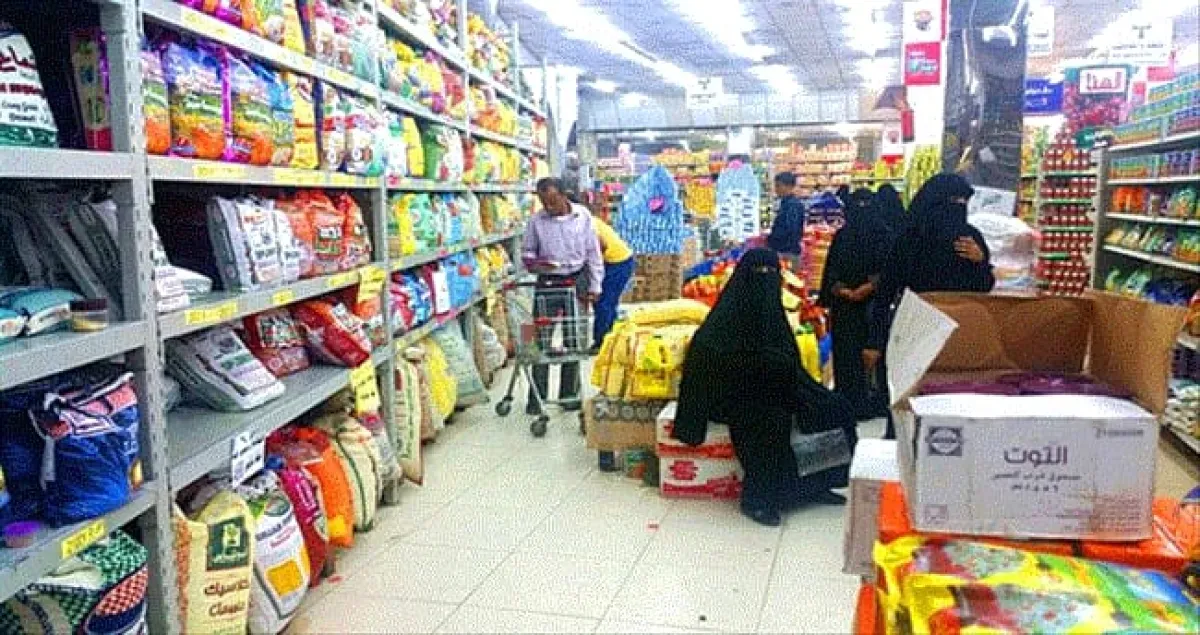
Yemen is grappling with a severe economic crisis, characterized by a sharp increase in the prices of essential goods and a drastic erosion of citizens' purchasing power in Aden and government-controlled areas. The local currency's ongoing devaluation, coupled with stagnant salaries, has pushed many households to the brink. Interviews with citizens and traders reveal that the cost of basic commodities has escalated dramatically over the past few years, exceeding tenfold the pre-2015 war levels. This surge has forced a significant portion of the population to reduce their food consumption and resort to lower-quality alternatives to meet daily needs. The economic downturn is exacerbated by the sharp decline in the value of the Yemeni Rial, directly impacting the prices of imported goods, which form the bulk of the domestic market's supply. Economic estimates indicate that salaries and wages have lost over six times their pre-war purchasing value, rendering employee income insufficient to keep pace with the escalating cost of living. Civilian and military employees report that their monthly salaries barely cover a fraction of their families' essential needs, leaving them struggling to afford food, medicine, and other daily necessities. This persistent inflation poses a significant threat to the internationally recognized Yemeni government, particularly as the crisis nears its tenth year. Traders in Aden's markets note that prices for flour, rice, oil, sugar, milk, and other consumables have continued to rise in recent months, even with a stable exchange rate for the local currency. This trend is attributed to a lack of government oversight, further burdening citizens. Economic experts warn that the continued currency collapse and the absence of effective monetary and economic policies are deepening the cost-of-living crisis. They caution of escalating social and humanitarian repercussions if prices continue to climb without urgent government intervention. There are increasing criticisms directed at government and regulatory bodies for their perceived inaction and inability to address the rampant inflation. Calls are mounting for the activation of market oversight mechanisms, price controls, and measures to combat monopolies and manipulation of essential goods. Experts highlight that the lack of effective market supervision has led to significant price disparities among retailers, making it increasingly difficult for consumers to afford basic necessities. This exacerbates poverty levels and increases families' reliance on humanitarian aid. International organizations repeatedly issue warnings about the deteriorating living conditions in Yemen, where millions endure severe economic hardship due to years of war and successive financial crises. The ongoing rise in food and essential goods prices continues to undermine food security and threaten the livelihoods of millions of Yemenis. |