


Kuwaiti Grant in Taiz Highlights Yemen's Sovereignty and Partnership Deficit
|
1 hour ago
A-
A+
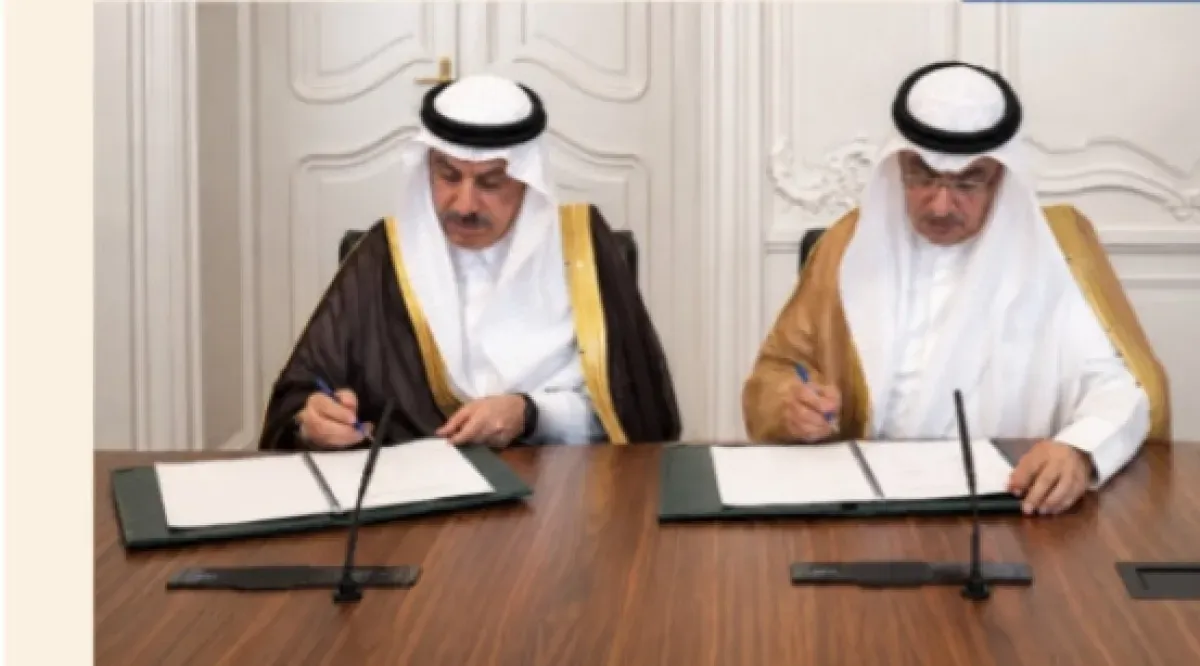
A $1 million Kuwaiti grant to support technical education in Yemen's Taiz province has sparked significant questions regarding the government's role in managing development projects within its controlled areas and the implications of its exclusion from partnerships that should be primarily national. The Kuwait Fund for Arab Economic Development signed a grant agreement with the Islamic Development Bank to finance a technical and vocational training institute in Al-Turbah, Taiz. The signing occurred on the sidelines of a meeting of Arab Coordination Group institutions in Vienna, with no official Yemeni government representation or signature evident. Although the project's implementation area is under Yemeni government control, the agreement bypassed established sovereign channels, such as the Prime Minister's office, the Ministry of Planning and International Cooperation, or the Ministry of Technical Education and Vocational Training. This oversight raises concerns beyond procedural matters, touching upon the core of the state's management of aid. Observers note that the government's absence from the signing and execution of such a substantial development project is not merely a procedural lapse. It reflects a deeper crisis related to weak institutional sovereignty and the state's diminishing capacity to assert itself as a primary national partner to regional and international donors and institutions. This exclusion also highlights a clear deficiency in aid management, with the government appearing unable to regulate its relationship with donors or integrate external support into stated national plans. This opens the door for projects to be implemented in isolation from state priorities or outside the framework of official oversight and accountability. Economic specialists believe that the continuation of this approach entrenches the perception of the government as a marginal actor, even in areas under its influence. It weakens its future negotiating position and sends negative signals about its ability to manage recovery and development, potentially encouraging donors to bypass it and deal directly with alternative parties or channels. These specialists warn that excluding the government from development projects in provinces like Taiz, which suffer from the effects of war and displacement, not only harms national sovereignty but also undermines opportunities for building a sustainable development model based on institutional partnership and national planning, rather than fragmented initiatives disconnected from the state. Observers emphasize that restoring the government's role in such projects is no longer a matter of formality but a political and economic necessity. This is crucial if the Yemeni government intends to preserve its remaining sovereign presence and recalibrate its relationship with donors on the basis of partnership rather than exclusion. |