


Yemen: Houthi Starvation Policies Fueling Widespread "Hunger Uprising" Fears
|
1 day ago
A-
A+
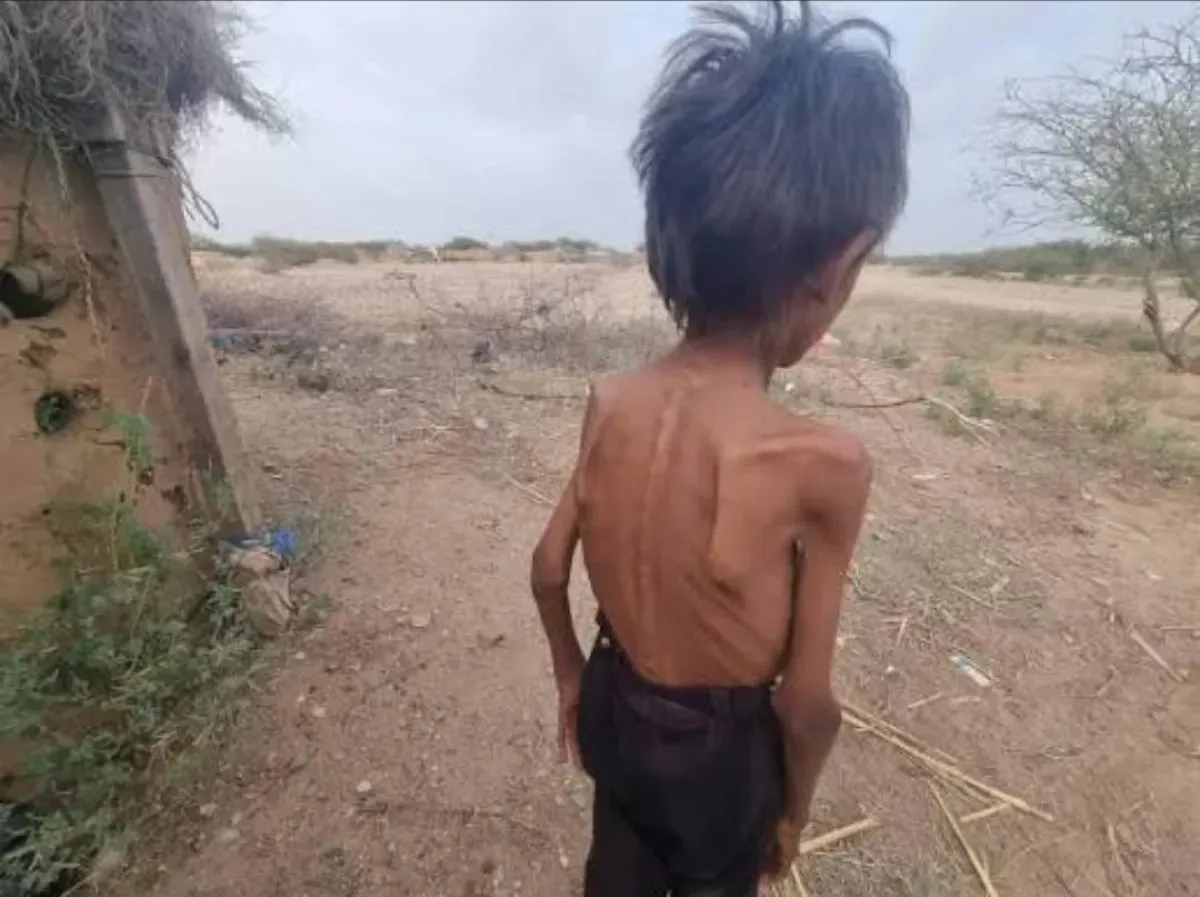
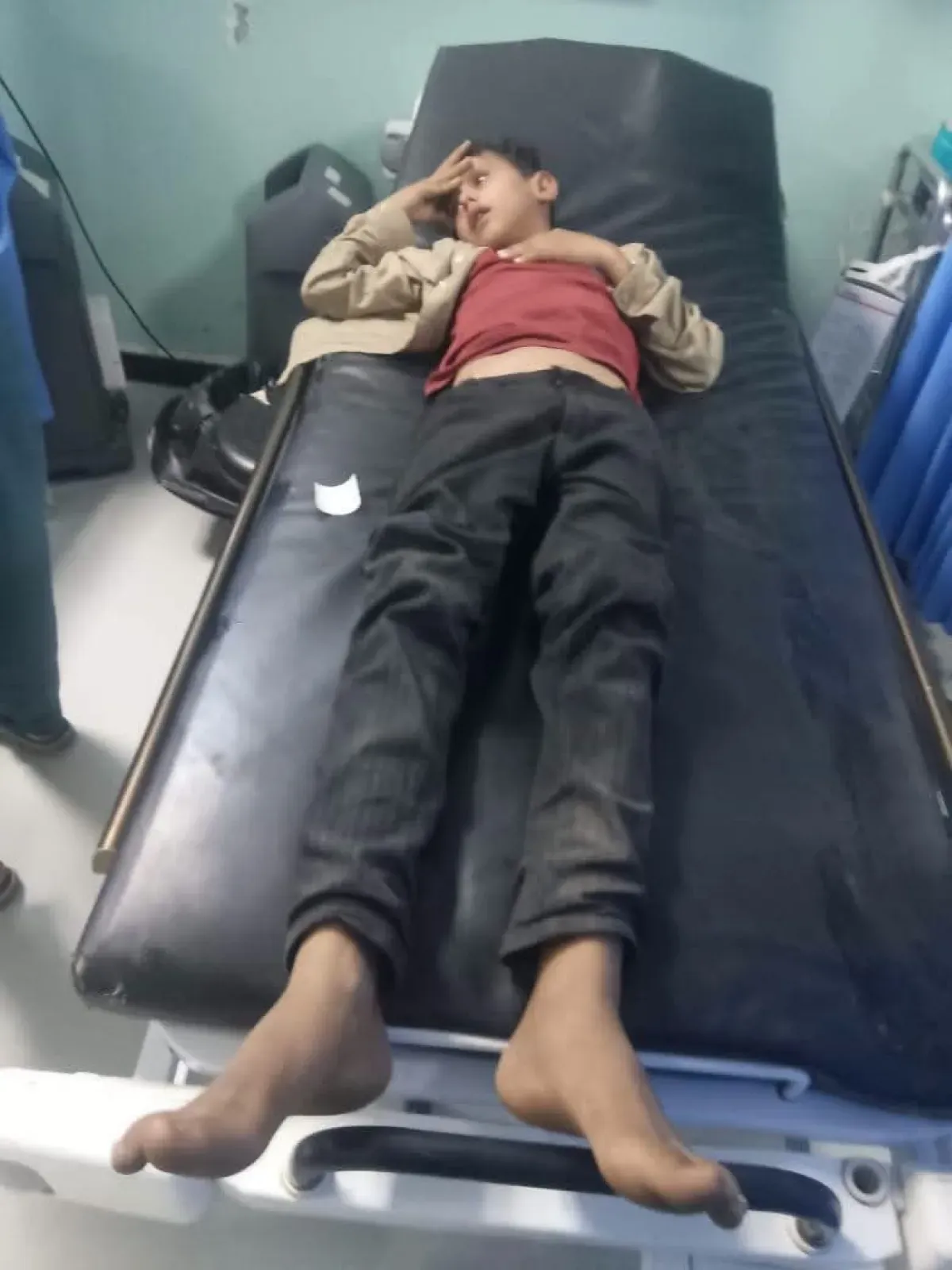
Yemen is facing a catastrophic humanitarian crisis, marked by stark economic disparities where millions endure extreme poverty while Houthi leadership amasses wealth and expands its business and real estate ventures. This deep socio-economic divide has become a ticking time bomb, threatening imminent societal upheaval amid political deadlock and the Houthi's systematic strategy of starving the population to consolidate their rule. For nearly a decade, government employees in Houthi-controlled areas have been without salaries, decimating the middle class and forcing professionals like university professors, teachers, and doctors into precarious livelihoods. The Houthi militia has compounded this hardship by imposing a complex web of levies and fees, including religious tithes, war efforts contributions, excessive taxes, and inter-governorate customs duties. These forcibly collected funds bypass state coffers meant for public services and salaries, instead flowing directly into the personal accounts of Houthi leaders to finance their operations and expand their financial influence. In stark contrast to widespread deprivation, the capital, Sana'a, and other cities are experiencing a significant real estate boom, with the establishment of large commercial complexes and malls linked to Houthi lineage leaders. This ostentatious and provocative wealth accumulation fuels silent resentment among citizens struggling to afford basic necessities like a bag of flour or a domestic gas cylinder, which are sold at exorbitant prices on the black market, reportedly controlled by the militia itself. The Houthi militia has replaced state institutions with a parallel, illicit economy reliant on smuggling, currency speculation, and control over oil and telecommunications sectors. International reports from UN experts indicate that revenues from ports and taxes on major companies are sufficient to cover employee salaries across Yemen. However, these funds are channeled through intricate financial networks serving the interests of Houthi leadership. This systematic destruction of the national economy has paralyzed the traditional private sector. Hundreds of merchants and businessmen have been forced to close their enterprises or flee the country due to relentless extortion, imprisonment, and persecution. They have been replaced by a new generation of Houthi warlords whose primary qualifications are ideological loyalty to the militia and the capacity to plunder public resources. International organizations consistently rank Yemen among the world's critical hunger hotspots. With declining international funding for humanitarian aid and global focus diverted to other crises, millions of Yemeni children suffer from severe malnutrition and stunting. Deteriorating public hospitals are overwhelmed with cases of severely emaciated children, a grim testament to the tragedy wrought by the coup against state institutions. Even international aid has not been spared from looting, with human rights reports documenting the Houthi militia diverting food aid intended for the poor to sell in markets or distribute selectively to families who send their sons to the front lines, cynically weaponizing food to subjugate society and recruit fighters. History demonstrates that populations may tolerate the absence of political freedoms for a time, but not the hunger of their children. Indicators suggest that the current silence in Houthi-controlled areas is not acceptance but simmering discontent. Repeated provocative statements from Houthi leaders, urging the hungry to be patient and forgo luxuries like internet access or work without pay, escalate popular frustration daily. Yemen observers believe that this complete blockage of economic and livelihood prospects will inevitably lead to multiple scenarios, primarily a comprehensive "hunger uprising" and spontaneous, unorganized popular protests erupting from markets and impoverished neighborhoods, rapidly escalating into widespread civil disobedience that undermines the militia's security control. Furthermore, the erosion of tribal support bases is evident as many Yemeni tribes feel the heavy burden of the militia conscripting their sons as cannon fodder for wars while offering no services or humanitarian gestures to their regions, potentially paving the way for tribal armed rebellion. Internal security collapse within the militia is also a possibility, with rising rates of organized crime, suicide, and theft driven by poverty and despair, leading to the erosion of traditional social structures and transforming society into an unstable and unwelcoming environment. Addressing the current tragic reality, discussing political peace with a militia sustained by war and extortion economics is exceedingly difficult. Ending the suffering of Yemenis requires a mandatory path that begins with stripping the militia of its economic plunder tools and unifying national and regional efforts to restore legitimate state institutions. The international community is called upon to move beyond temporary humanitarian relief and exert genuine, stringent pressure on Houthi leadership, including freezing their financial assets, pursuing their external economic networks, and conditioning any political consultations on addressing the payment of employee salaries, opening roads, and lifting the economic blockade on cities. The continuation of the equation where the people starve while the militia prospers will not yield peace but will pave the way for a new round of war, inflicting a devastating price on Yemenis, potentially the most violent and destructive in contemporary Yemeni history. However, overthrowing the Houthi coup is the sole solution to ending the suffering of Yemenis and restoring the state and its civilian and military institutions. |