



Yemen's Agriculture Sector Collapses, Half Workforce Unemployed Amid Houthi Policies
|
1 month ago
A-
A+
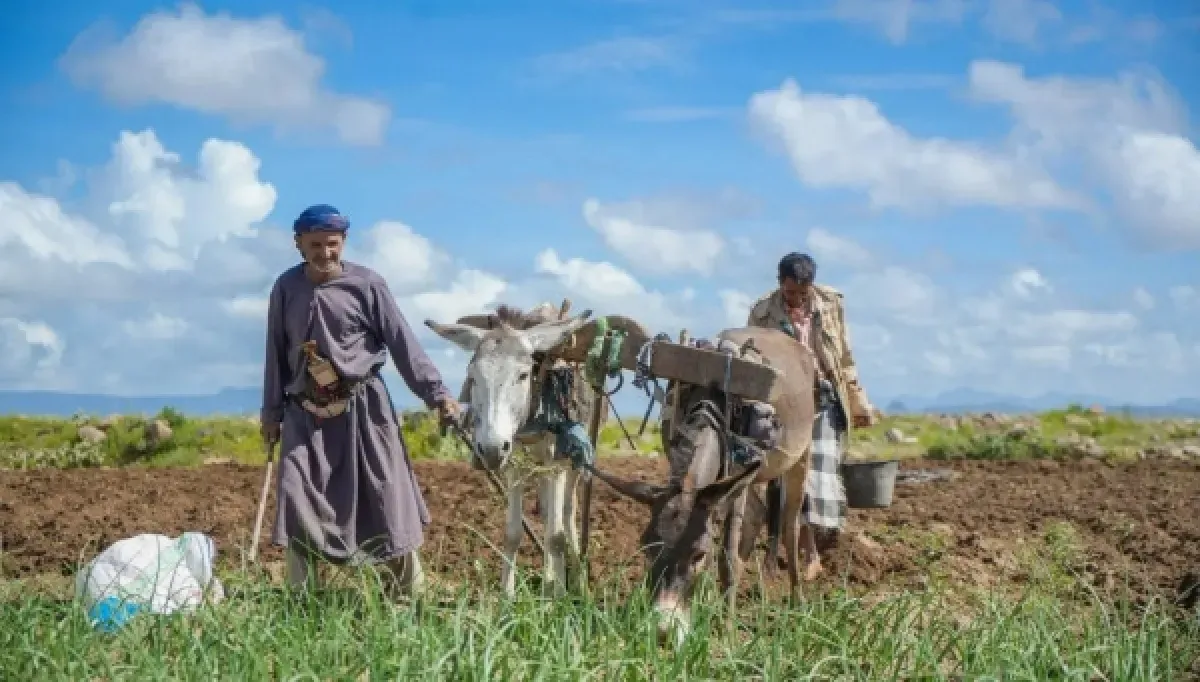
Yemen is grappling with a severe, silent economic crisis as its agricultural sector, the largest employer, has lost nearly half its workforce during the ongoing conflict. This decline signifies systemic damage to a vital sector, particularly in areas controlled by the Houthi group. A recent official report from the Ministry of Planning and International Cooperation reveals that approximately 50% of agricultural workers have lost their income sources. Concurrently, 40% of farming-dependent households have experienced a sharp decline in production, exacerbating poverty, food insecurity, and unemployment in a nation where the majority of the population relies on agriculture for sustenance. Observers attribute the accelerated deterioration of agriculture to the Houthi militia's policies, including increased taxation, imposition of levies on farmers, and manipulation of fuel markets. The absence of substantial support for essential agricultural inputs, such as improved seeds and fertilizers, has escalated farming costs and diminished the economic viability of agricultural seasons, especially the summer harvest. This situation is compounded by a worsening fuel supply crisis, raising concerns about direct impacts on irrigation and agricultural transport, given the Houthis' control over petroleum product markets and their use of these resources as economic leverage. Economists have warned that Yemen is facing "its largest agricultural unemployment crisis in history," characterizing the massive displacement of labor as a "ticking time bomb" as dangerous as the existing food and humanitarian crises. They caution that any further price increases for diesel, under Houthi control of the energy market, will deepen agricultural losses and force more farmers to abandon their land, in the absence of effective protective policies or government interventions. The official report indicates that Yemeni agriculture remains traditional, relying on rudimentary methods without modern irrigation, tillage, or energy management technologies, making it highly vulnerable to economic shocks. Experts note that this structural weakness has been amplified by the conflict and Houthi policies that have disrupted markets, restricted investment, and pushed farmers to the brink of bankruptcy. Specialists assert that the current situation transcends a temporary crisis, representing a systematic destruction of food security in Yemen. The collapse of the agricultural sector has increased reliance on imports and aid in a country already suffering from resource scarcity and high food prices. The Ministry of Planning's report concludes that rising agricultural unemployment reflects deep-seated structural imbalances in the Yemeni economy, exacerbated by the conflict, policy failures, and the Houthis' continued control over economic levers in vast regions. This trend portends further deterioration unless agriculture is depoliticized, the exploitation of farmers is halted, and this vital sector is revitalized. |