


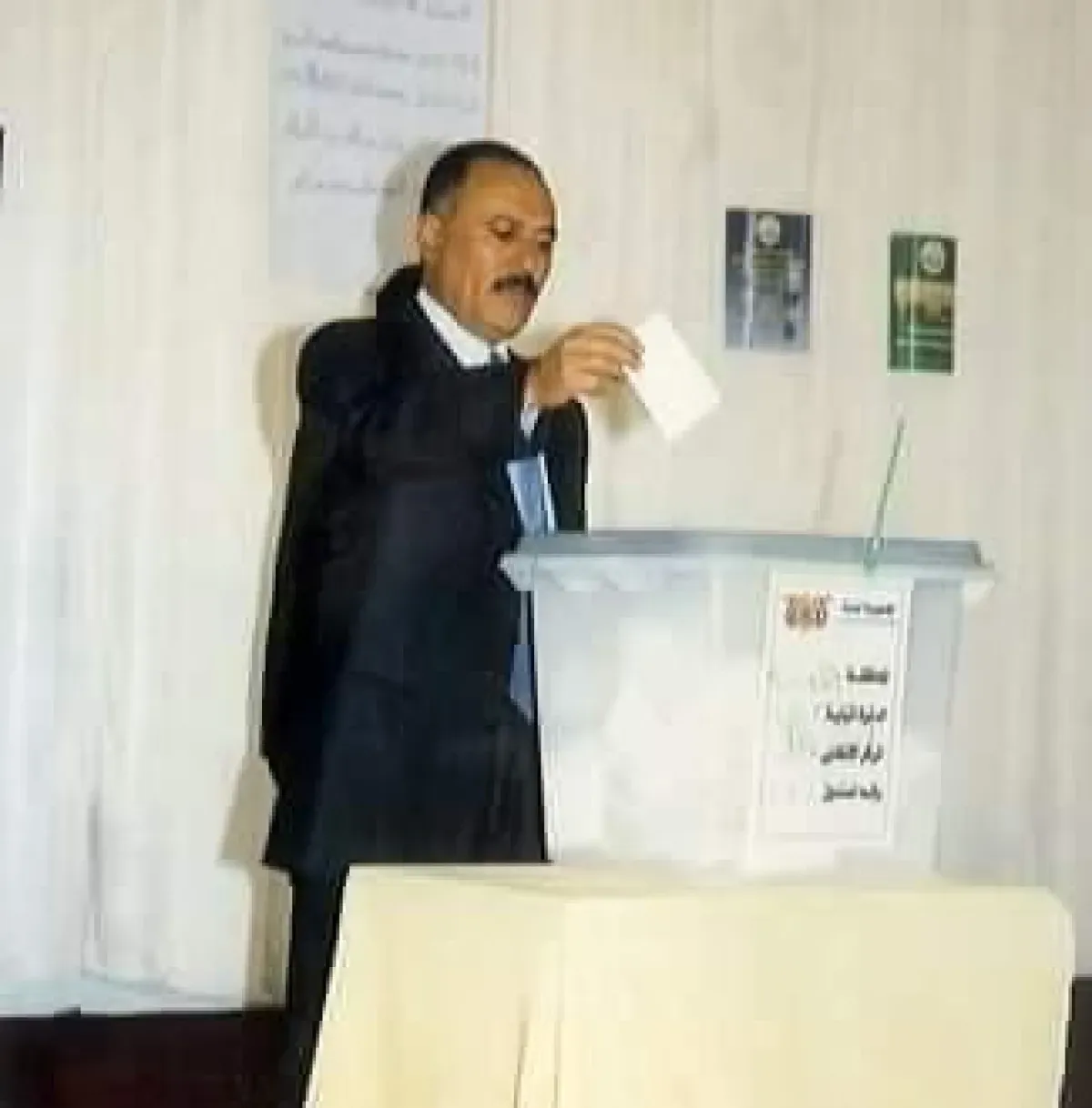
Following the establishment of the Republic of Yemen and the reunification of its two parts on May 22, 1990, Yemen entered an unprecedented political phase, marking a significant democratic transition not only in its modern history but also across the region. The constitution of the unified state, approved by popular referendum in mid-May 1991, laid the foundation for a new legislative system based on pluralistic democracy, political and press freedom, and the guarantee of freedom of opinion and expression. In 1993, Yemen held its first parliamentary elections under the unified state, representing a practical culmination of constitutional provisions and a progressive step toward building an institutional state. These were followed by parliamentary elections in 1997 and the first direct presidential elections in 1999, a pivotal moment that strengthened the influence of popular will in selecting the head of state. Throughout the first decade of the new millennium, the democratic process continued with remarkable momentum. Local council elections were conducted in 2001 and 2006, alongside the third parliamentary election cycle in 2003 and the second presidential elections in 2006. This period was characterized by a multi-party political landscape and a broad scope for freedom of opinion and expression. Observers believe this democratic momentum, sustained for nearly two decades after unification, was not coincidental but stemmed from the political leadership's conviction, represented by President Ali Abdullah Saleh, in democracy as a safeguard against a return to coups, assassinations, and violent power struggles that had marked earlier periods of Yemen's history. However, this trajectory began to erode with the events of 2011, which, according to widespread political assessments, marked a sharp turning point for the democratic experiment. As calls to overthrow the regime escalated, Yemen entered a deep phase of political turmoil, culminating in the peaceful transfer of power to President Abd Rabbuh Mansur Hadi, a move then seen as an affirmation of the principle of peaceful power transition. The consensual presidential election in February 2012 represented the last electoral milestone in Yemen's modern history and the final experience of what was known as a "democratic festival," before the country embarked on an entirely different path. Since that date, democracy in Yemen has entered a state of complete stagnation, with electoral life ceasing and institutions being paralyzed in the aftermath of the 2011 chaos, which foreshadowed the Houthi coup in September 2014. Since then, the struggle for power has been waged by force of arms, not through the ballot box, a scenario reflecting the fundamental difference between the democratic approach and rule based on dominance and force. While many years have now passed since the halt of the democratic process, the legacy established after unification under the leadership of President Ali Abdullah Saleh remains present in the political memory of Yemenis. It is remembered as a period when recourse to the constitution and law, rather than arms, was the norm. This legacy raises a fundamental question: Can Yemen one day reclaim the path of democracy, recognizing it as the sole means to end the conflict and build a state whose legitimacy derives from the will of the people, not from the barrel of a gun? |