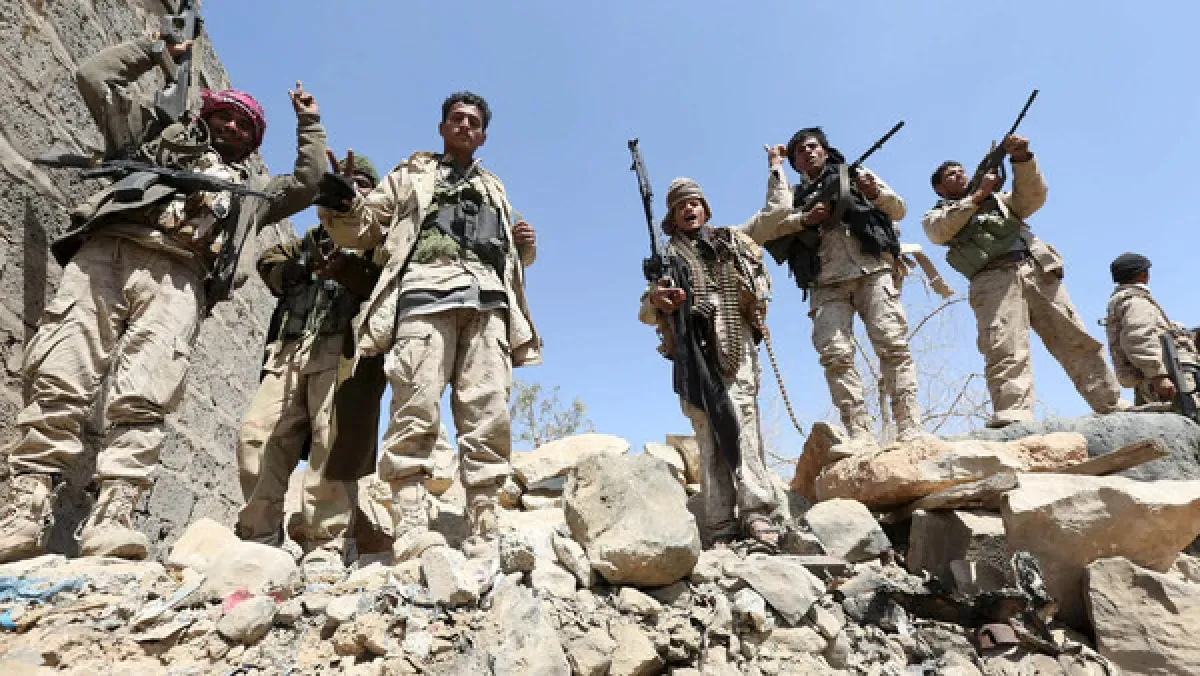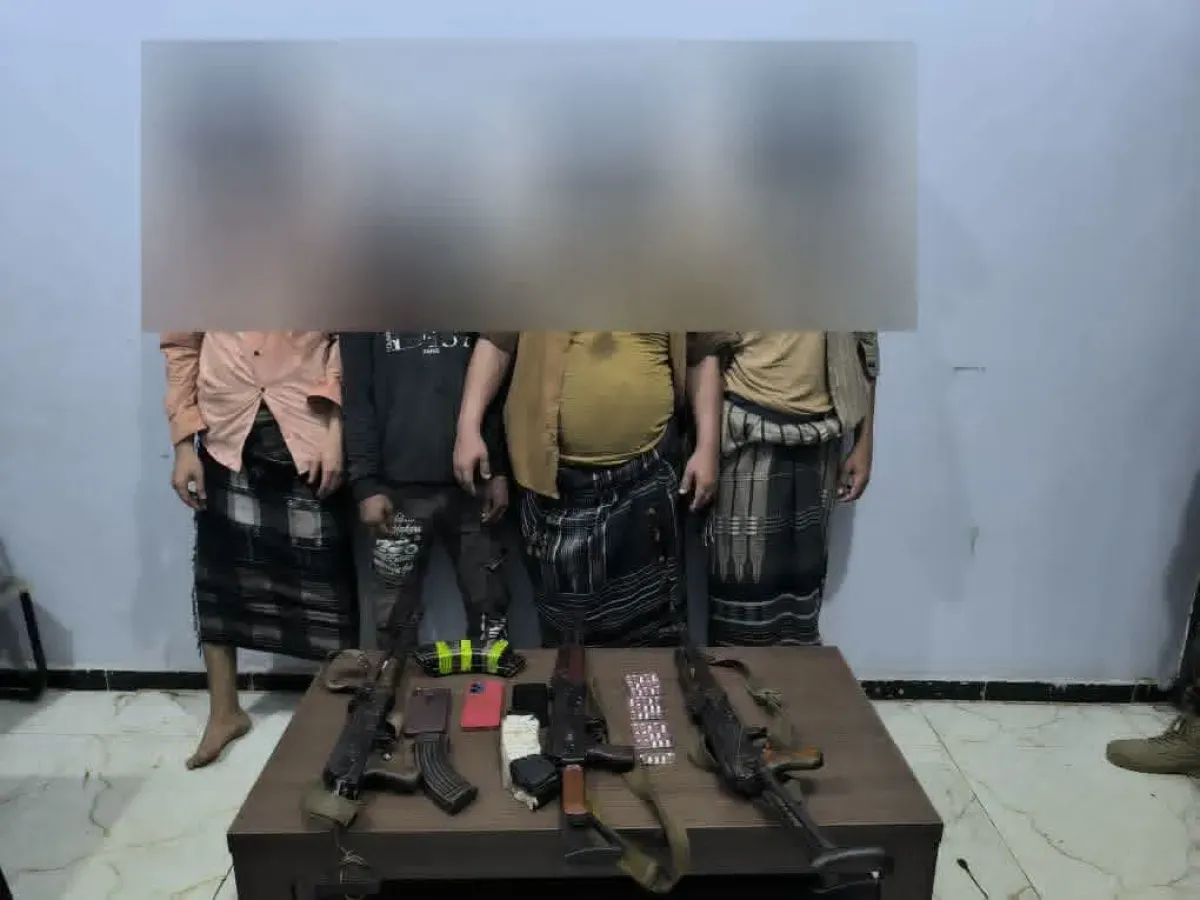



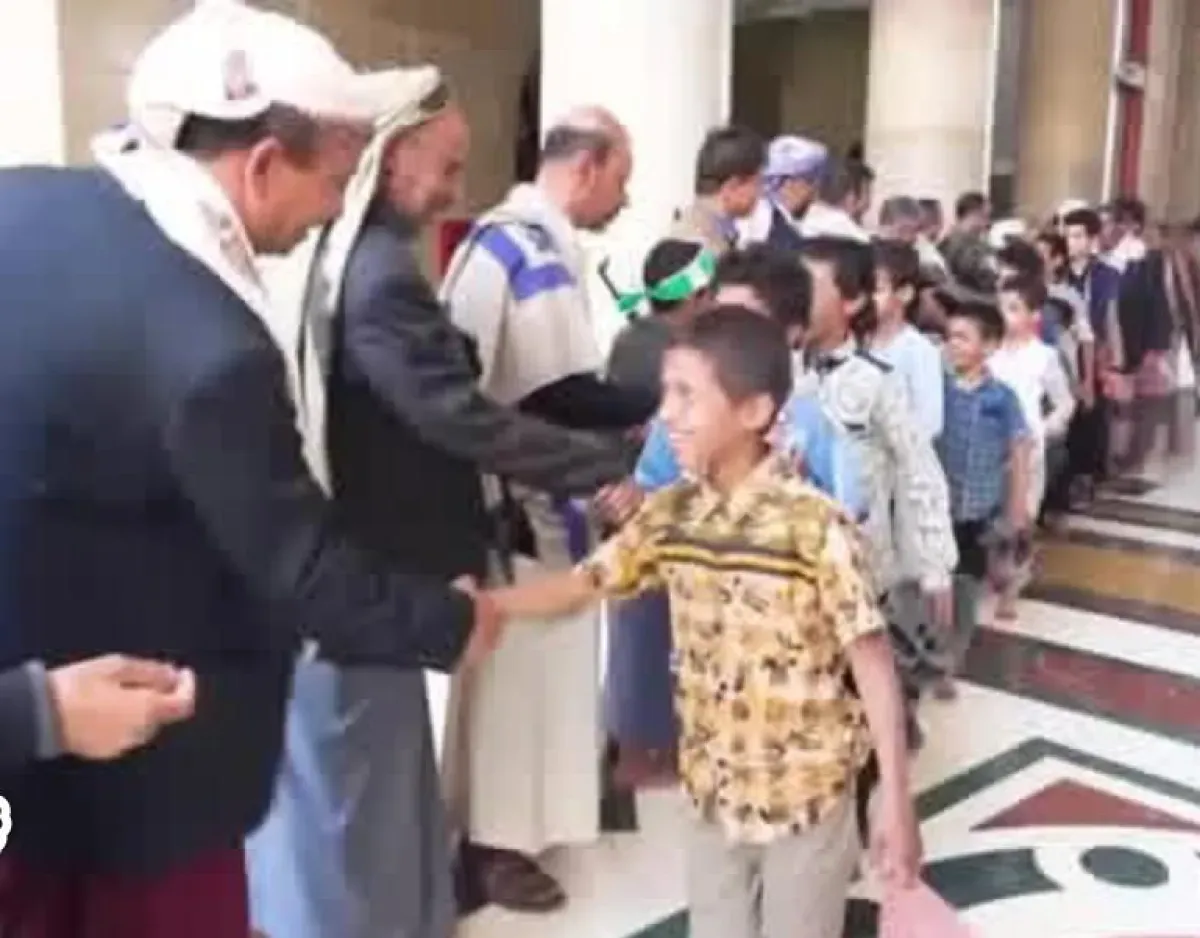
Concerns are escalating in Houthi-controlled territories over allegations that children are being coerced into attending summer camps, which are presented as educational and recreational activities. Local and international reports suggest these camps impart intensive ideological and doctrinal content, sparking widespread debate about children's rights, the nature of the curriculum, and its potential impact on their psychological and educational futures. The Houthi militia claims these camps aim to utilize the summer break for teaching the Quran and developing cultural and behavioral skills. They also promote these camps as a deterrent against idleness that could lead to negative behaviors among children. However, testimonies from parents and human rights reports indicate that the programs extend beyond traditional religious education to include materials with political and ideological themes aligned with the militia's doctrine. Local sources report that many families face pressure to enroll their children, including threats of withholding educational services, social coercion through local supervisors, and in some instances, linking participation to the receipt of humanitarian aid. These practices leave families with limited choices, particularly amidst challenging economic conditions. According to observers, the curricula used in these camps include content that glorifies combat and promotes conflict narratives, alongside one-sided historical and religious accounts. Child psychologists warn that exposing children to such material at an early age could foster extremist ideologies, diminish critical thinking skills, and lead to long-term psychological effects related to violence and fear. Educators note that these programs negatively affect the educational process, replacing official curricula with unapproved content. Intensive activities reduce students' readiness for the academic year and blur the lines between education and political indoctrination, undermining the neutrality of educational institutions. Human rights organizations have expressed grave concern over these alleged violations, deeming them potential infringements on children's rights, particularly regarding the freedom of education and protection from ideological exploitation. They call for ensuring voluntary participation in all educational activities, monitoring the content provided to children, and supporting neutral and safe alternative educational programs. In the absence of a stable educational infrastructure, there is an urgent need for genuine summer programs focused on developing children's skills away from politicization. This could be achieved by supporting independent community initiatives, ensuring specialized educational supervision of summer activities, and strengthening the role of families in guiding and protecting children. The issue of summer camps in Houthi-controlled areas remains a prominent concern regarding child rights in Yemen, where education intersects with ideological guidance in a complex environment. While some entities promote these camps as educational opportunities, significant questions persist about their true nature and their impact on an entire generation during a sensitive developmental stage. |