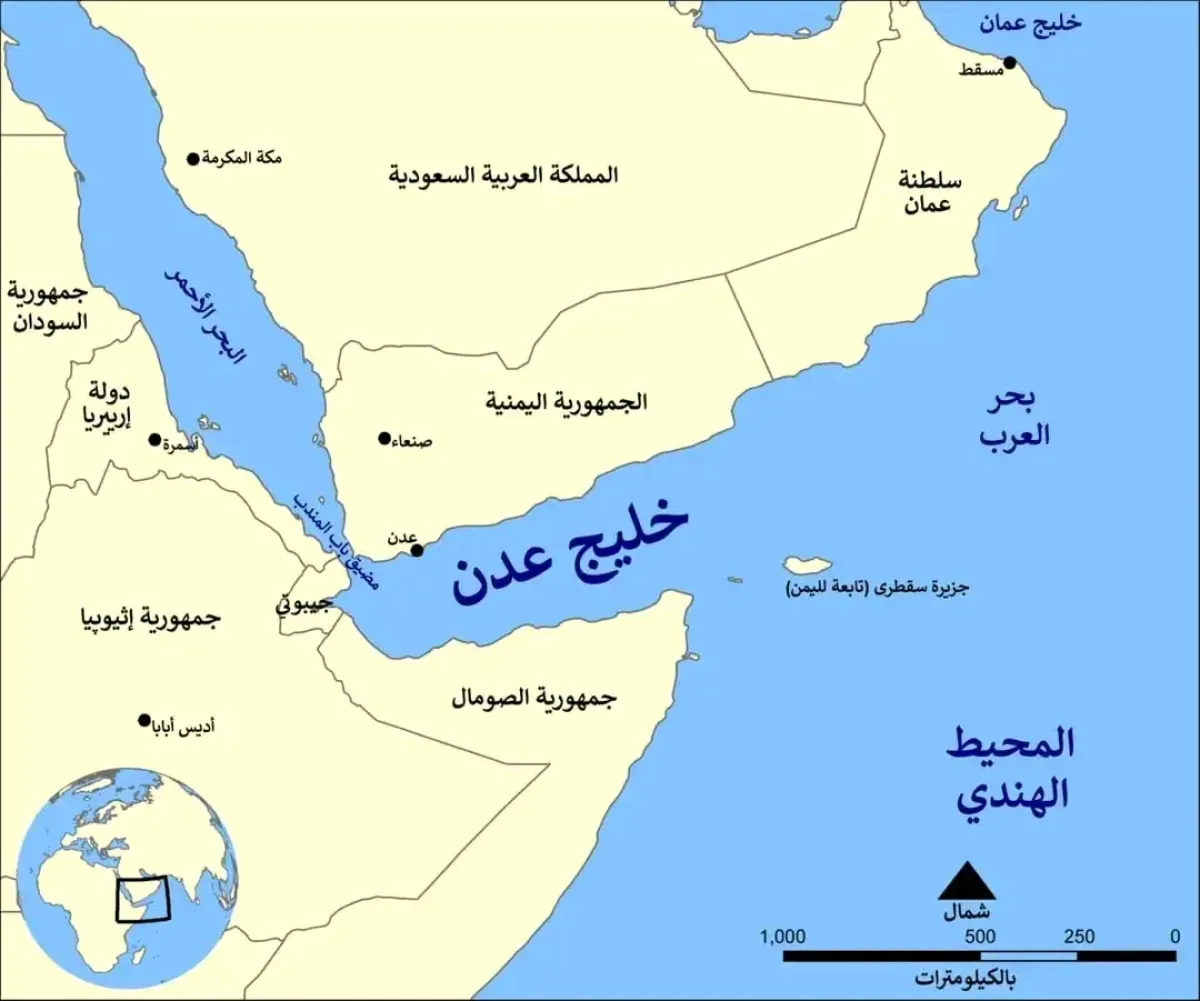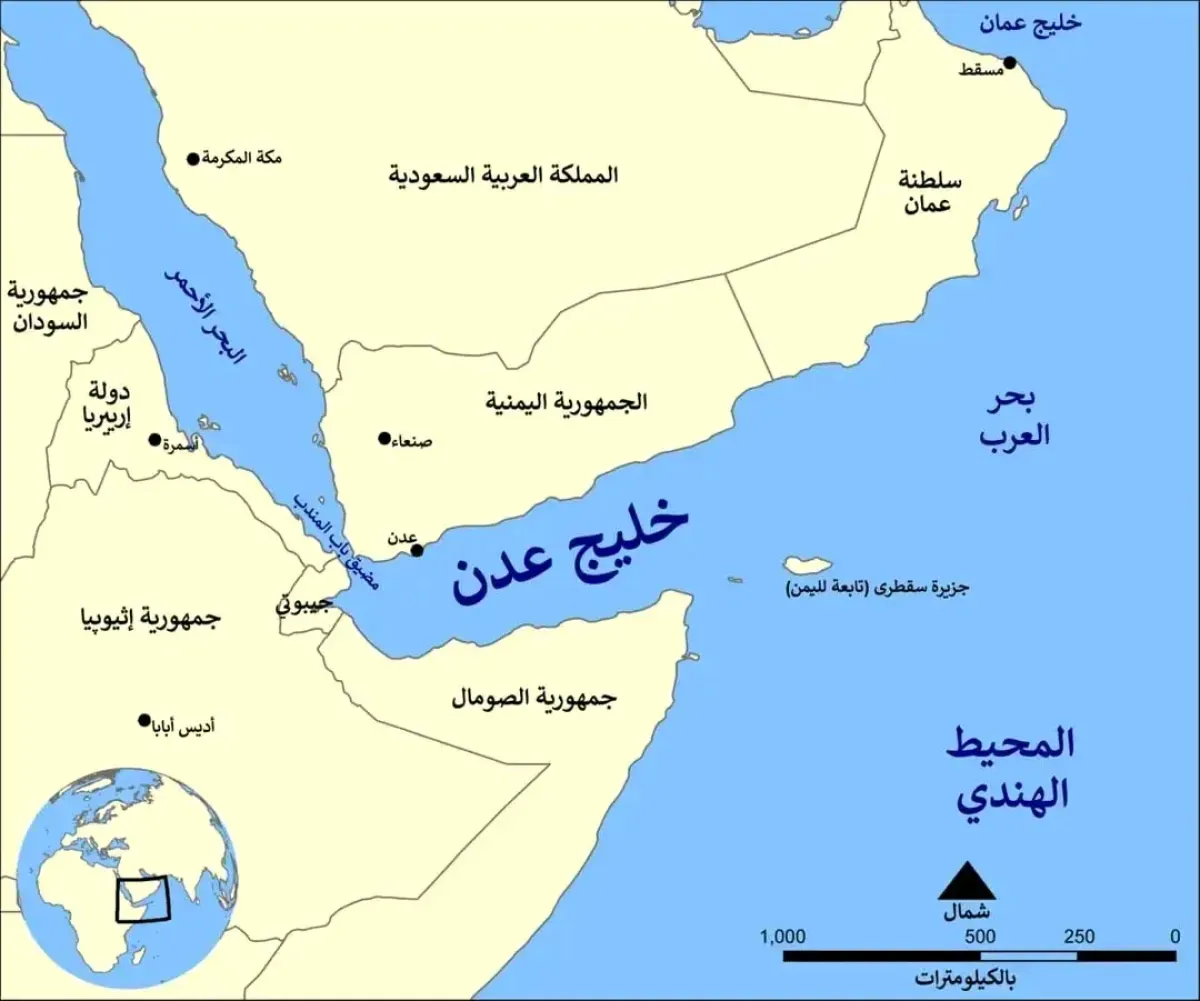



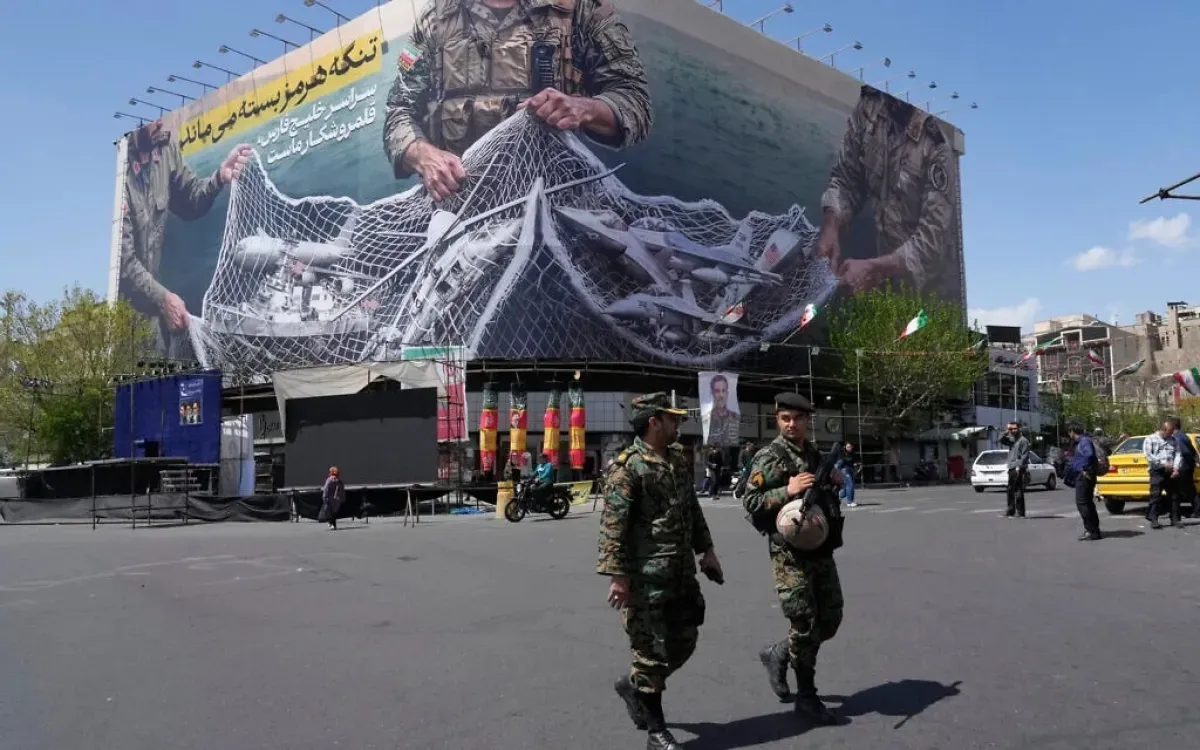
Negotiations between the United States and Iran regarding a long-term agreement are poised for failure, as both sides insist on claiming victory in recent confrontations, according to an analysis published by The Times of Israel. Tehran believes it can secure significant concessions on sensitive issues, including its nuclear program and the Strait of Hormuz. Meanwhile, U.S. President Donald Trump refuses to offer concessions to a nation subjected to weeks of bombardment, creating a stalemate that could escalate. The analysis, authored by Lazar Berman, suggests that Washington's extended negotiation rounds with Tehran in Pakistan over the weekend indicated a desire for a swift agreement. However, the expectation of finalizing a deal in a single day was deemed unrealistic. Following the collapse of negotiations after a single session, U.S. Vice President J.D. Vance stated that the lack of an agreement was bad news, but "significantly worse for Iran." Both Washington and Tehran announced they had achieved "victory," which the analysis considered predictable. However, the adherence of both parties to their respective narratives and their conviction in imposing their terms diminishes the prospects for mutual concessions. The United States asserts its battlefield superiority and demands broad concessions to solidify this advantage, while Iran refuses to acknowledge defeat and insists it will not accept terms perceived as an extension of military pressure, particularly in light of the joint air campaign with Israel. The analysis quotes Iranian Foreign Minister Abbas Araghchi, who stated that Washington is attempting to achieve militarily what it could not through negotiations. Tehran's refusal to make substantial concessions implies that any potential flexibility on its part would require significant American reciprocation, especially concerning sanctions relief. Iran's ten-point plan reportedly resembles terms dictated by a victorious party, including maintaining control over the Strait of Hormuz, recognition of its right to uranium enrichment, and the lifting of major and secondary sanctions. The demands also encompass the withdrawal of U.S. forces from the Middle East, an end to attacks on Iran and its allies, the release of frozen assets, and a binding Security Council resolution. The analysis suggests that Tehran may recognize the impracticality of many of these demands, even as a starting point, but clearly insists on its right to continue uranium enrichment. Nuclear weapons expert David Albright notes that the Persian version of the plan, believed to have Iranian leadership's approval, explicitly confirms continued enrichment, a point absent from the English version. Iran also refuses to include its missile program in negotiations, mirroring its stance in previous rounds before the recent escalation. The United States and Israel had set the destruction of Iran's ballistic missile threat as a goal of the military operation launched on February 28, alongside halting the nuclear program. However, the talks primarily focused on reopening the Strait of Hormuz and the nuclear file, revealing differing priorities between Washington and Israel, according to the analysis. President Trump, after receiving briefings, emphasized the nuclear issue as the top priority, asserting that Iran is unwilling to abandon its ambitions and calling for the swift reopening of the Strait of Hormuz. Israel expressed satisfaction with Washington's firm stance on the nuclear file. Prime Minister Benjamin Netanyahu stated he received assurances that the objective is to remove enriched material and prevent enrichment within Iran for many years, possibly decades. The analysis concludes that Iran's continued adherence to its positions on key issues limits the prospects for a comprehensive agreement in the near term. Regarding the nuclear file, the analysis highlights that Iran's negotiating stance reflects the limited impact of the six-week bombing campaign, which failed to compel Tehran to voluntarily abandon its nuclear ambitions. This position is based on an Iranian assessment that the United States may lack the means or will to eliminate its nuclear capabilities by force. Any agreement requiring the removal of highly enriched uranium and imposing additional enrichment restrictions would remain contingent on the lifting of most sanctions, potentially enabling billions of dollars to flow into the Iranian economy, with a significant portion expected to be directed towards rebuilding military capabilities. Concerning the Strait of Hormuz, the analysis posits that weakening Iran's military capabilities is insufficient to guarantee freedom of navigation. Closing the waterway does not require substantial capabilities; it can be achieved through the threat of mine-laying or the use of low-cost drones, posing an effective deterrent to commercial vessels. The analysis cites President Trump's acknowledgment in a televised interview that even a limited number of mines could deter high-value ships from transiting the strait. In the short term, Washington has opted for escalation, with the U.S. blockade on Iranian ports now in effect, aiming to pressure Tehran to cease obstructing navigation or imposing fees on vessels transiting the Strait of Hormuz. Conversely, Iran has maintained its strong rhetoric. Parliament Speaker Mohammad Bagher Ghalibaf, who led Iran's delegation in the talks, asserted that Tehran "will not submit to any threats" and is prepared to retaliate in kind if escalation occurs. The Iranian military has also intensified its warnings, stating that the security of the Arabian Gulf and the Sea of Oman "will either be shared by all or by none," indicating a potential expansion of tensions to include regional ports. The analysis suggests that the U.S. blockade and potential Iranian response do not preclude the resumption of talks, but this would require a shift in the power balance as perceived by both parties. Donald Trump, according to the analysis, relies on economic pressure to compel Iran to open the Strait of Hormuz, paving the way for renewed negotiations on the nuclear file. Tehran, conversely, is betting that reduced oil exports and continued instability in the strait will drive up energy prices, increasing domestic pressure on the U.S. administration to seek a settlement, even if it requires concessions. The analysis notes that Israel continues to deem it necessary to intensify pressure on Iran, particularly by targeting energy infrastructure, before Tehran accepts terms for ending hostilities. Prime Minister Netanyahu has affirmed his country's readiness to continue operations. The analysis concludes that the current course may lead to further escalation or a prolonged stalemate, with both parties dissatisfied with the confrontation's outcomes but unwilling to return to open conflict. |