


Houthi Summer Centers Spark Fears of Child Recruitment and Indoctrination
|
1 hour ago
A-
A+
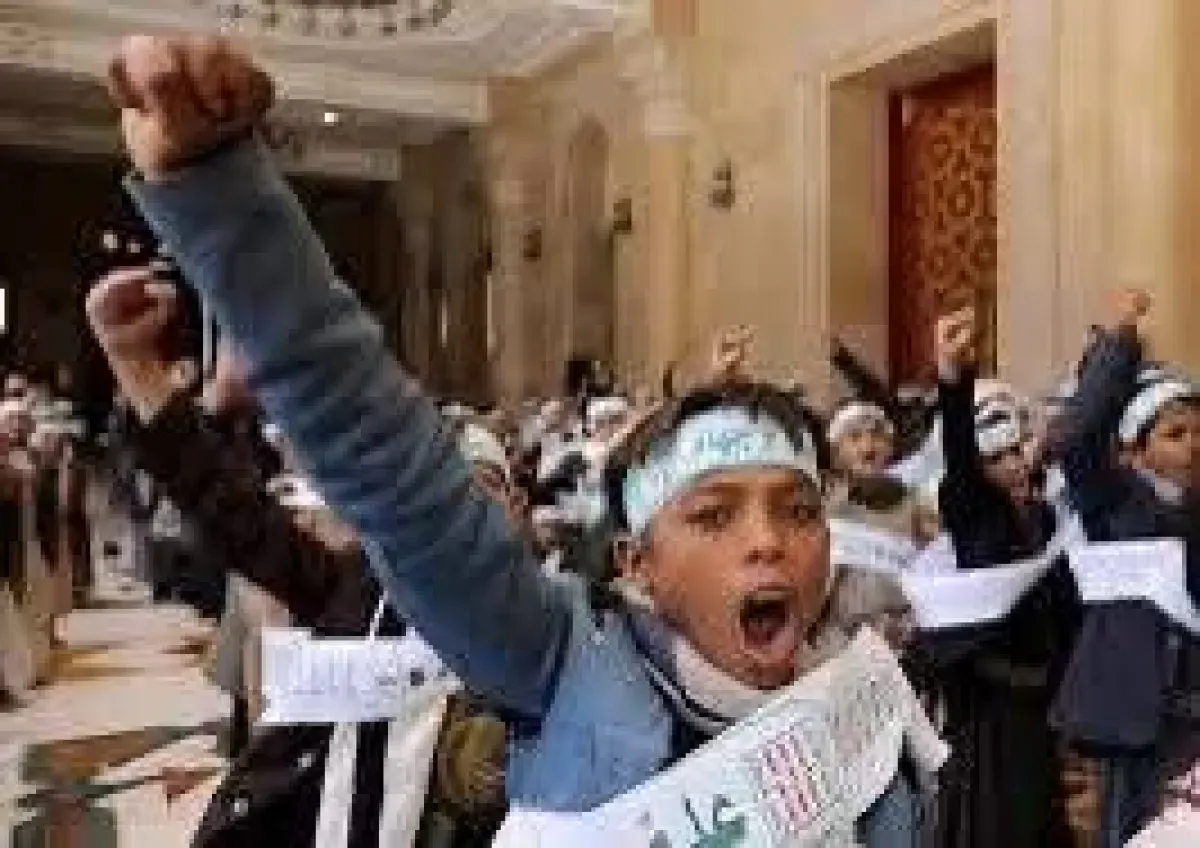
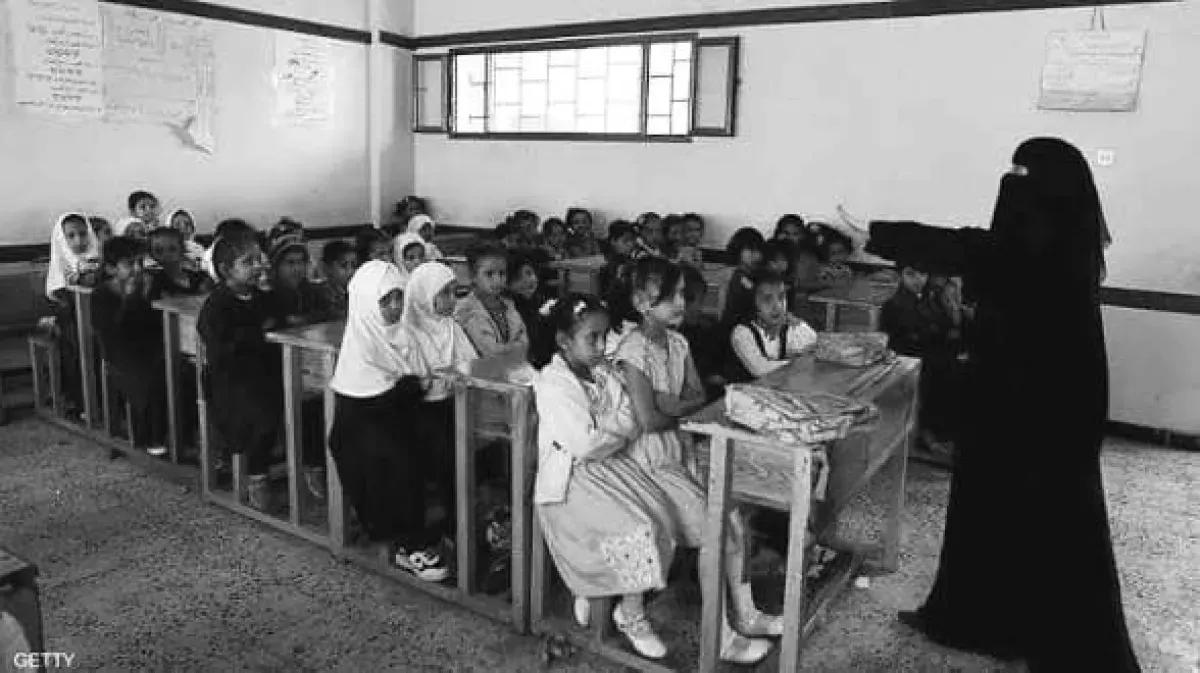
Heightened concerns are being raised by human rights and media organizations regarding activities conducted by the Houthi group in several Yemeni governorates, particularly their summer centers, which are reportedly being transformed from educational and recreational spaces into tools for ideological mobilization and recruitment amidst the nation's complex humanitarian and living conditions. Reports indicate that these practices extend beyond children to encompass the education sector and teachers, fueling widespread apprehension about the future of upcoming generations. According to human rights and media reports, the Houthi group organizes summer centers in various regions where children and youth are targeted with programs and lectures containing ideological content. These reports suggest that these centers are utilized to instill specific ideologies and encourage children's involvement in conflict-related pathways. These activities exploit the summer vacation to broaden the base of recruitment, especially in rural and impoverished areas where families are more susceptible to economic and social pressures. Information suggests that child recruitment is not confined to a single governorate but extends to all areas under Houthi control. This is achieved through multiple means, including offering financial incentives to families or exerting social pressure to encourage children to attend these centers. In some cases, this leads to children dropping out of school and entering closed-door courses, preparing them for deployment to front lines, thereby exposing them to severe risks to their lives and safety. Reports warn that these practices leave long-term psychological and social impacts on children, including the entrenchment of a culture of violence, distortion of awareness, and undermining of societal values. They also contribute to the disintegration of the social fabric and the creation of generational gaps within Yemeni society. In addition to targeting children, reports speak of teachers in several governorates being compelled to attend ideological courses with sectarian undertones. Sources indicate that these courses aim to reshape the educational discourse to align with the group's orientations. This raises concerns about its impact on the neutrality of the educational process and the role of schools as institutions that should be safe and neutral environments for knowledge transfer, free from political or ideological conflicts. Human rights organizations emphasize that child recruitment and their involvement in armed conflicts constitute a flagrant violation of international humanitarian law and child protection conventions. They also warn that the continuation of these practices could lead to grave repercussions for the future of an entire generation, in the absence of adequate oversight and protection. Amidst the ongoing conflict and deteriorating economic conditions, Yemeni children remain among the most vulnerable groups to exploitation. There is an urgent need for local and international action to protect their rights and ensure their access to education in a safe environment, free from any exploitation or recruitment into conflicts, thereby safeguarding the future of the country and its coming generations. |