


White House Plans International Convoy Alliance to Secure Strait of Hormuz
|
4 hours ago
A-
A+
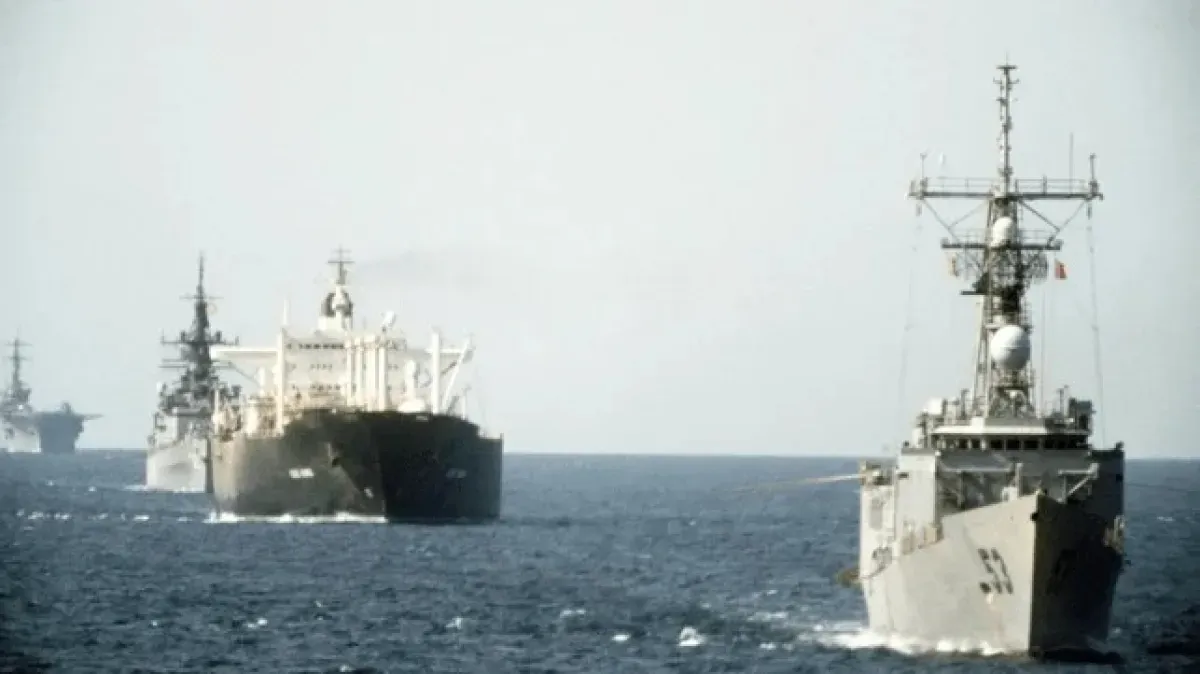
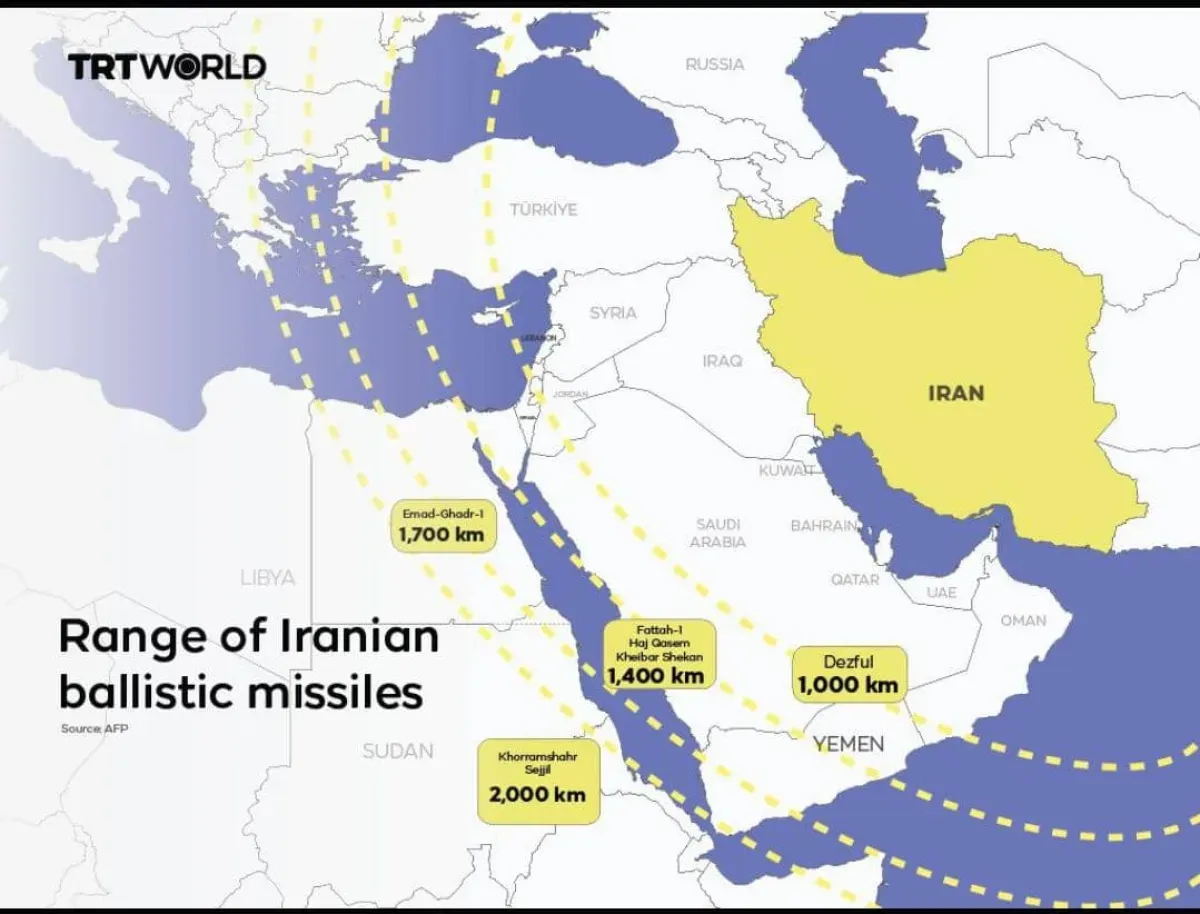
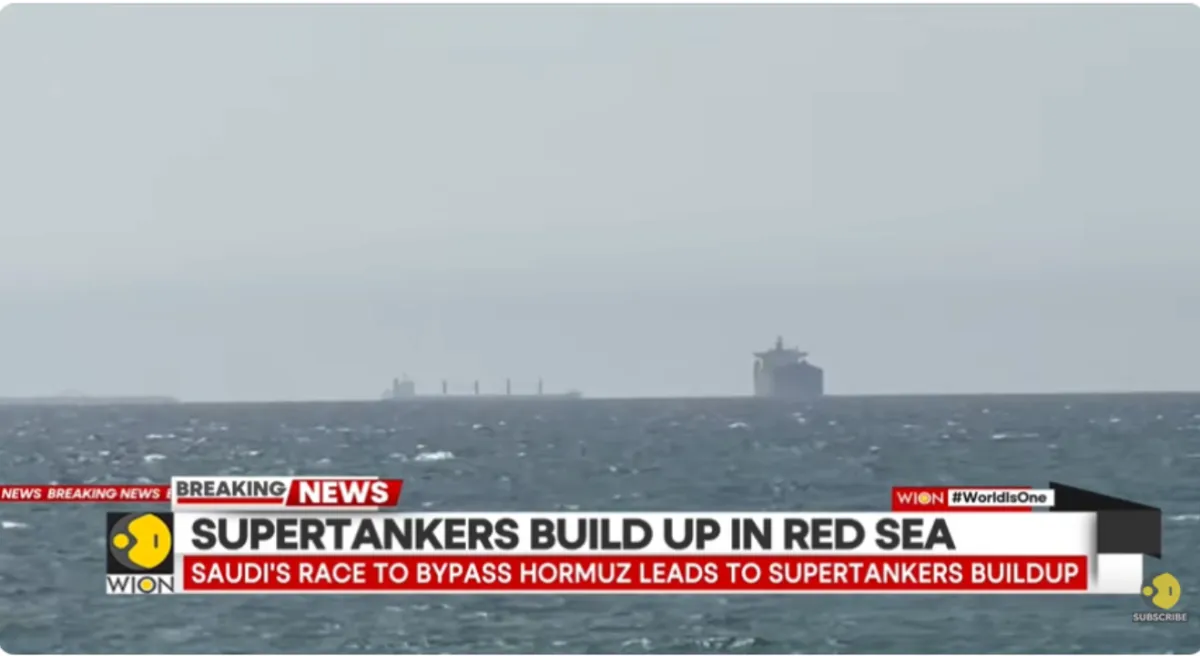
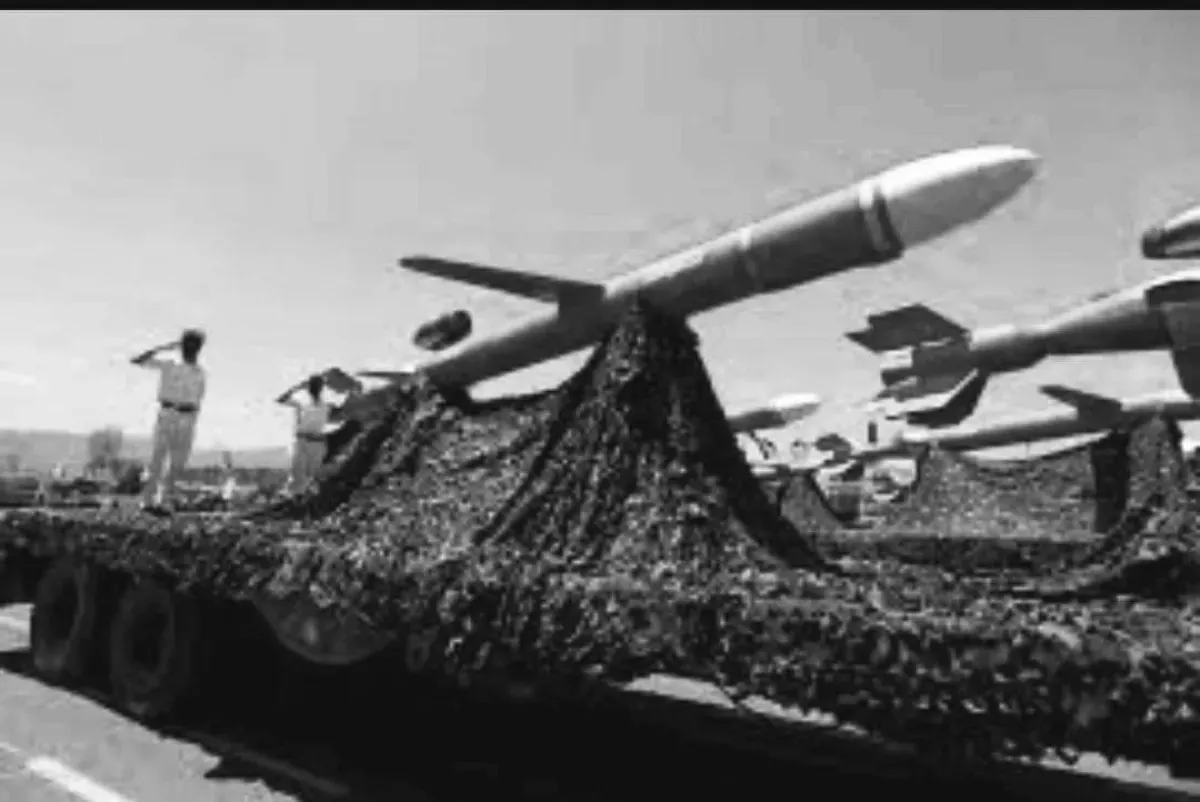
The White House is reportedly preparing to announce plans for an international maritime coalition designed to establish escorted shipping lanes through the Strait of Hormuz, a measure intended to counteract the sharp escalation in energy prices stemming from Iranian restrictions on the vital waterway, according to reports cited by The Maritime Executive. This strategic development follows recent U.S. strikes against Tehran on February 28th, which reportedly resulted in the elimination of a significant portion of Iran's senior military leadership. In response, remaining Iranian forces moved swiftly to close the Strait to commercial navigation, permitting passage only for their own vessels. Since the conflict began, over a dozen commercial ships have been targeted by Iranian missiles and drones, leading to fatalities among crew members and prompting most major international shipping companies to suspend passage through the Strait. While oil tankers associated with Iran and certain energy shipments destined for India continue to transit, maritime traffic linked to the Gulf Cooperation Council (GCC) states and Western nations remains substantially halted. The Strait of Hormuz is a critical artery, facilitating the daily passage of approximately 20 million barrels of crude oil, representing a substantial portion of global supply. The crisis has already forced the diversion of nearly 6 to 8 million barrels per day from the UAE and Saudi Arabia through alternative pipelines to the Red Sea. Iranian exports, roughly 1.5 million barrels daily, are still flowing, but strategic commodities like Liquefied Natural Gas (LNG) and urea, alongside oil volumes from Iraq, Kuwait, Bahrain, and Qatar, remain obstructed, contributing to a notable surge in oil prices, with Brent crude exceeding $105 per barrel recently. The efficacy of the proposed escort alliance hinges critically on its timing. Reports indicate that a decision has not yet been finalized regarding whether escort operations will commence while hostilities between the U.S. and Iran persist, or if they will be postponed pending a ceasefire. There is no clear timeline for conflict resolution or a defined set of U.S. objectives that would initiate substantive ceasefire negotiations, as the White House's definition of success has varied between early declarations of victory and sustained combat until "Iran's unconditional surrender." Should the escort mission launch amid ongoing conflict, allied naval vessels would be vulnerable to similar Iranian attacks involving missiles and drones that have targeted commercial traffic. Past operational experiences, particularly during the Red Sea crisis, have demonstrated the significant strain such engagements place on crews and defensive systems. Experts caution that escorted convoys represent a significantly slower alternative to free commercial navigation, anticipating that convoys of even ten ships will reduce traffic through the Strait to a fraction of peacetime levels. Oil markets have priced in this reality, with the upward curve in futures prices suggesting expectations of prolonged elevated rates. Energy Secretary Chris Wright stated recently that there are "no guarantees regarding the timing for oil prices to return to lower levels, and Americans will feel that for a few more weeks," emphasizing the ultimate goal is "to remove the greatest threat to global energy supplies." |