


Houthi Pledge to Back Iran Militarily Raises Grave Concerns for Yemen's Future
|
2 hours ago
A-
A+
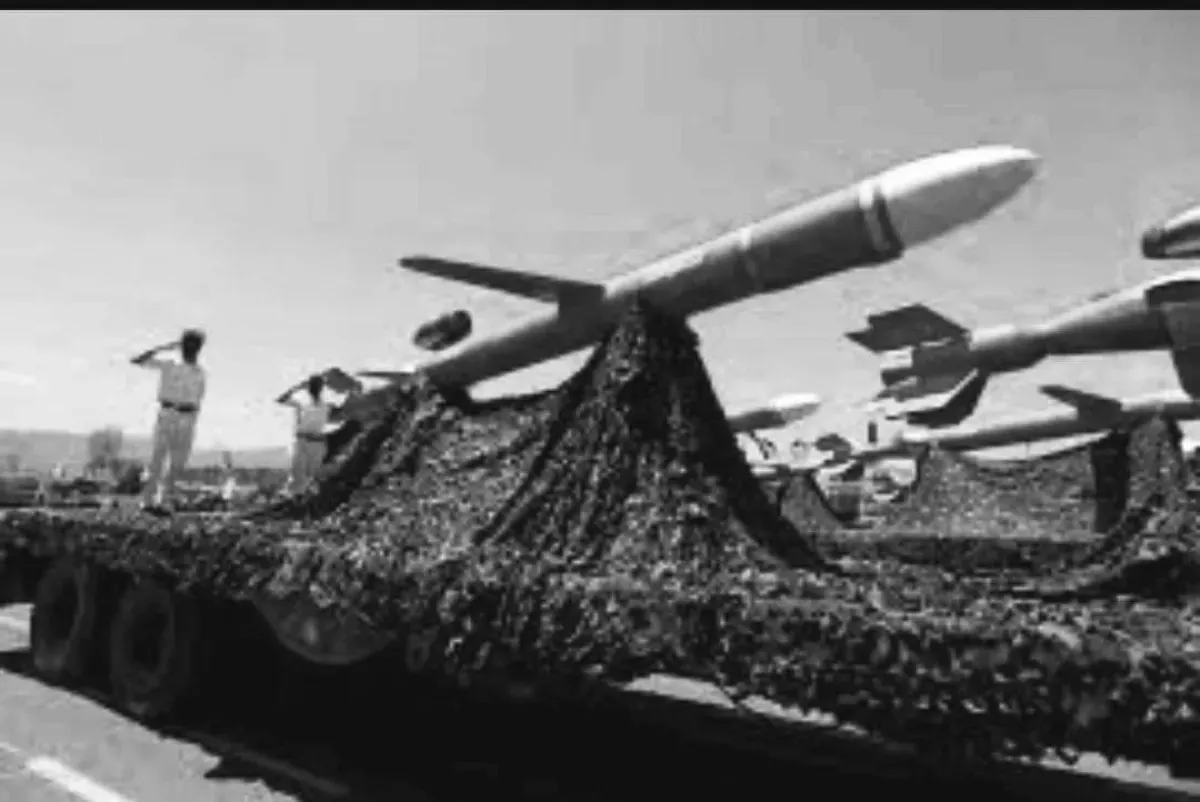
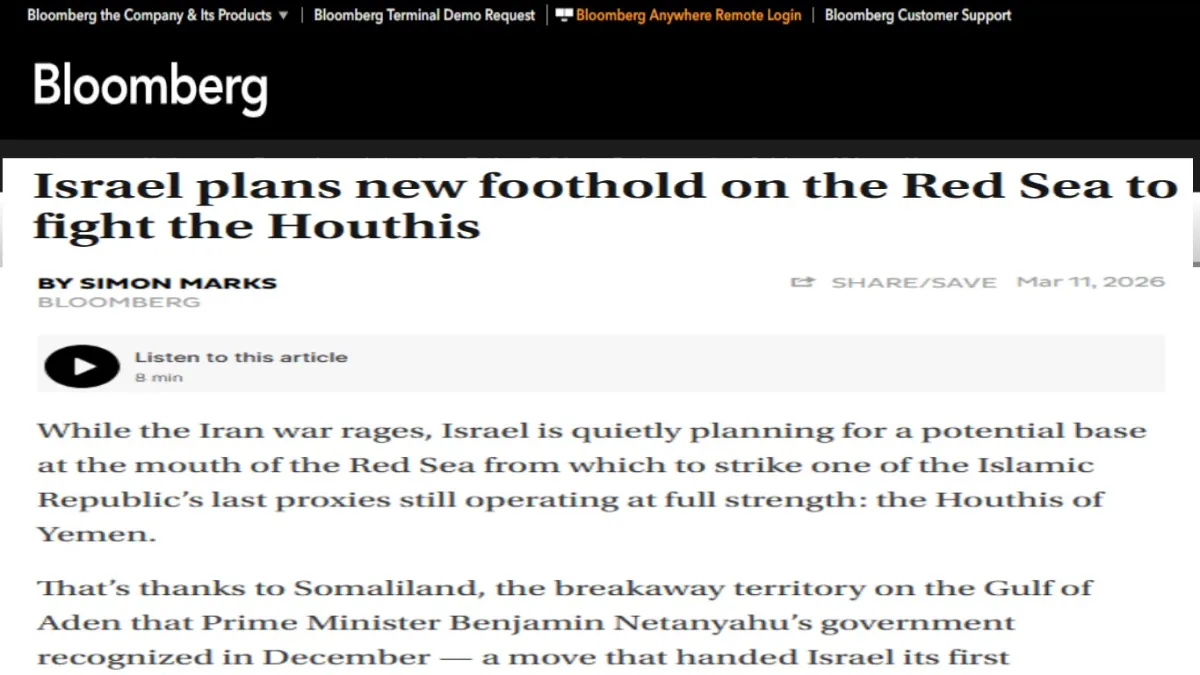
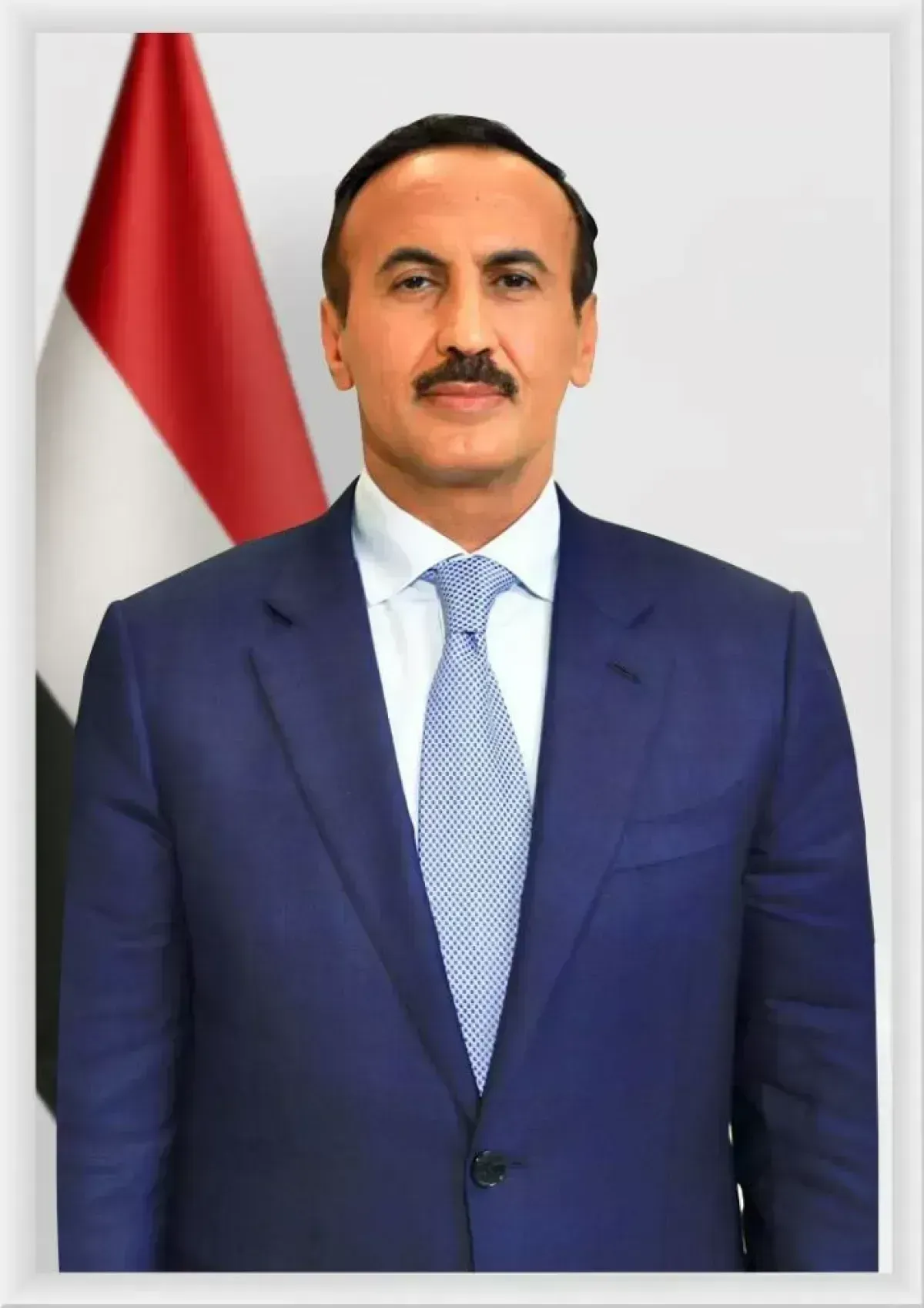
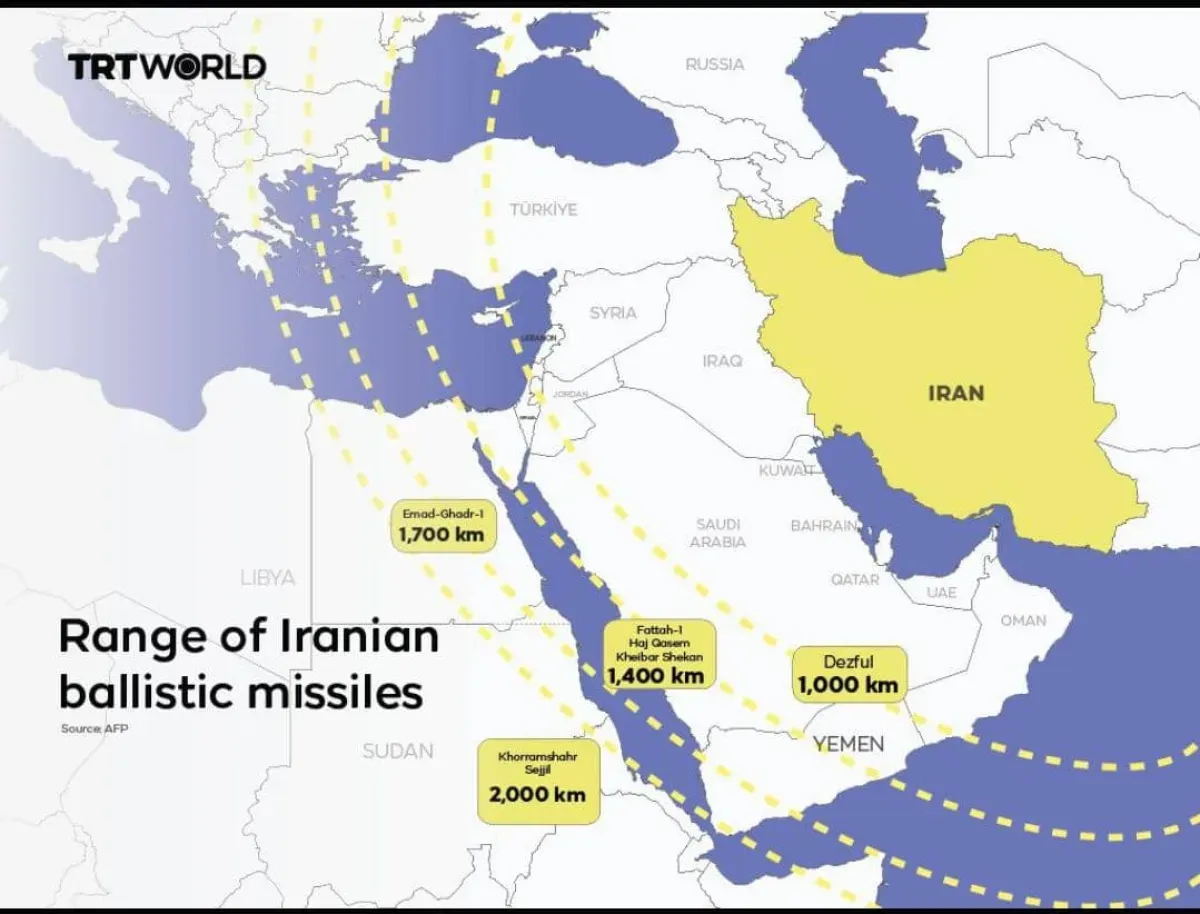
Recent provocative statements by Houthi leader Mohammed al-Bukhaiti, declaring the militia's commitment to militarily support Iran in the event of an expanded regional confrontation with the United States and Israel, signal a potentially dangerous escalation for Yemen and the wider Middle East. These declarations, made amid escalating regional tensions, raise critical questions regarding the Houthi militia's willingness to translate rhetoric into tangible military action and the severe consequences such a move would inflict upon Yemen. The commitment to military alignment with Tehran moves beyond mere political posturing, indicating a clear probability of drawing Yemen into the heart of the ongoing regional conflict. Analysts suggest the Houthis may feel compelled toward military escalation, a scenario observers warn could plunge the nation back into a more complex and perilous cycle of conflict, compounding the extensive human and economic toll of the existing protracted war. Al-Bukhaiti's remarks explicitly confirm the enduring political and military relationship between the Houthis and Iran. While the militia has attempted to portray itself as a purely domestic political entity in recent years, these statements reassert its deep connection to the Iranian-led regional axis. Many observers view the stated readiness for military support for Iran as indicative of a willingness to engage in a regional conflict that could broaden significantly, especially given the heightened tensions between Iran on one side, and the U.S. and Israel on the other. This escalatory discourse places Yemen in an extremely sensitive geopolitical position, owing to its strategic location near vital global shipping lanes, particularly the Red Sea and Bab el-Mandeb Strait, meaning any military involvement tied to the regional dispute will directly impact regional security and international trade routes. Yemen is already grappling with unprecedented economic and humanitarian collapse stemming from the Houthi coup and the war since 2014. Involving the country in a wider regional conflict would exacerbate these dire conditions. A nation suffering from infrastructural decay, collapsing basic services, and soaring poverty rates could face a new, violent wave of military escalation if these Houthi declarations materialize on the ground. Political analysts argue that any Houthi military engagement in a regional confrontation will inevitably lead to expanded military targeting within Yemeni territory, exposing numerous areas to the risk of airstrikes or direct military operations. Furthermore, such escalation could compel international actors to treat Yemen as an active theater in the regional conflict rather than solely an internal crisis, carrying significant political and security repercussions for the country’s future. Given Yemen's critical geographic position overseeing a major artery for global maritime trade, any translation of the Houthi political stance into military action carries a high probability of targeting vessels or interests linked to nations confronting Iran. Such an event would likely invite broader international military intervention to secure navigation in the Red Sea and Bab el-Mandeb, potentially transforming Yemeni coasts into a direct confrontation zone between regional and international powers. The economic fallout for Yemenis would be catastrophic, given the already near-collapsed economy. Regional escalation risks turning Yemen into a costly theater of war, leading to intensified international sanctions, diminished investment, and reduced foreign aid. Continued tension in the Red Sea directly impedes shipping and trade, driving up the cost of essential goods and worsening the plight of citizens already living in poverty. Recent regional and international efforts aimed at reviving the peace process in Yemen face a new obstacle due to these Houthi statements. Linking the militia's fate to the ongoing regional conflict complicates the political landscape, making an internal settlement significantly harder to achieve. Observers suggest that sustained escalatory rhetoric could undermine prospects for a political solution, potentially relegating the nation to open confrontation, thereby negating prior de-escalation efforts. Should the Houthis persist in adopting a military posture linked to regional conflict, they risk facing extensive and precise regional and international military responses, alongside increasing international pressure via economic sanctions and diplomatic measures. This trajectory could prompt the international community to revisit the designation of the Houthis as a terrorist organization, tightening the noose on their funding sources and political movements, and severely limiting their capacity for future political engagement regarding Yemen's future. Domestically, the Houthis face growing challenges if regional tension rises. Citizens under their control already endure severe economic hardship; involving the country in a new confrontation will increase social and livelihood pressures. Continued war and resource depletion could strain the militia’s governance capabilities amidst declining public services and rising unemployment. Analysts caution that militarily binding the Houthi fate to the Iranian axis carries internal political risks, reinforcing the perception among many Yemenis that the militia serves a regional agenda contrary to national interests. Several scenarios emerge for the Houthi militia’s future amid continued regional escalation. One is maintaining aggressive rhetoric without direct military engagement, aiming to bolster political standing without incurring the costs of war. A second involves indirect involvement through limited strikes targeting U.S. or Israeli interests, provoking controlled but significant military responses. The third, and most perilous scenario, involves Yemen becoming an open battleground in the regional conflict, potentially forcing the Houthis into a direct military confrontation with international and regional powers beyond their capability. Ultimately, the Houthi declaration regarding military support for Iran signals a new phase of political and military tension with profound implications for Yemen's future. The nation, exhausted by years of war and the coup, stands at a decisive crossroads: it can pursue de-escalation and reconstruction or be dragged back into a regional conflict whose cost may dwarf past suffering. The overriding interest for the Yemeni people remains averting further proxy wars and supporting the internationally recognized Yemeni government, with regional and international backing, to overthrow the Houthi coup and restore long-lost national stability. |