


Protracted economic conflict sustains widespread Crisis and worse outcomes
|
5 hours ago
A-
A+
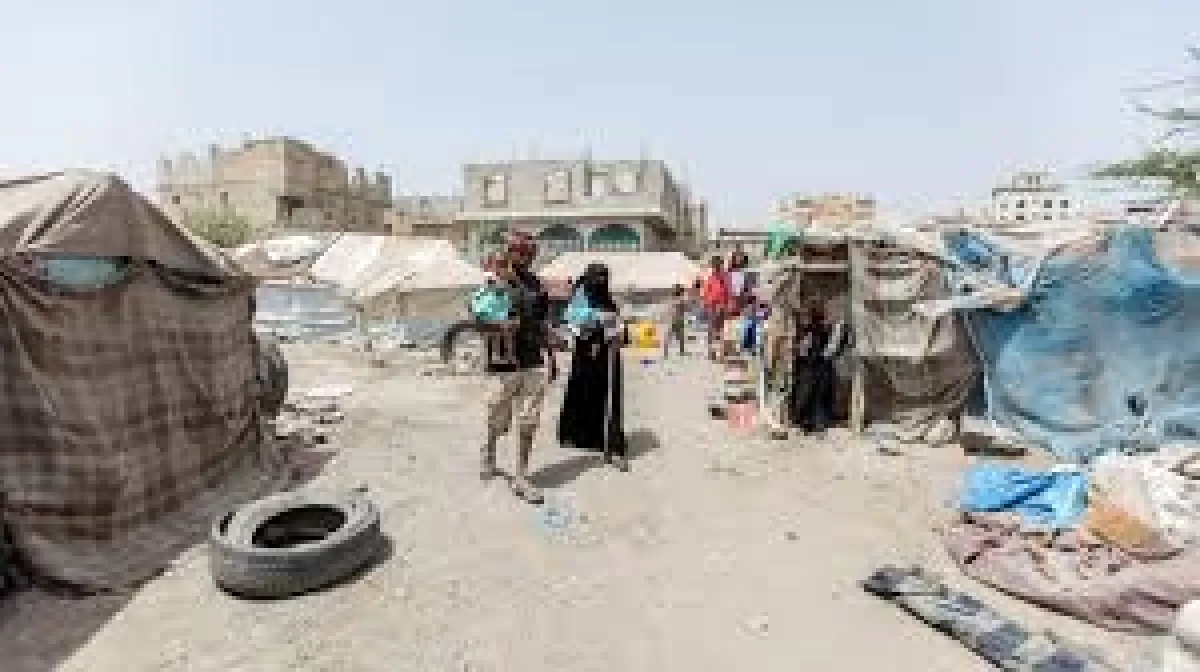
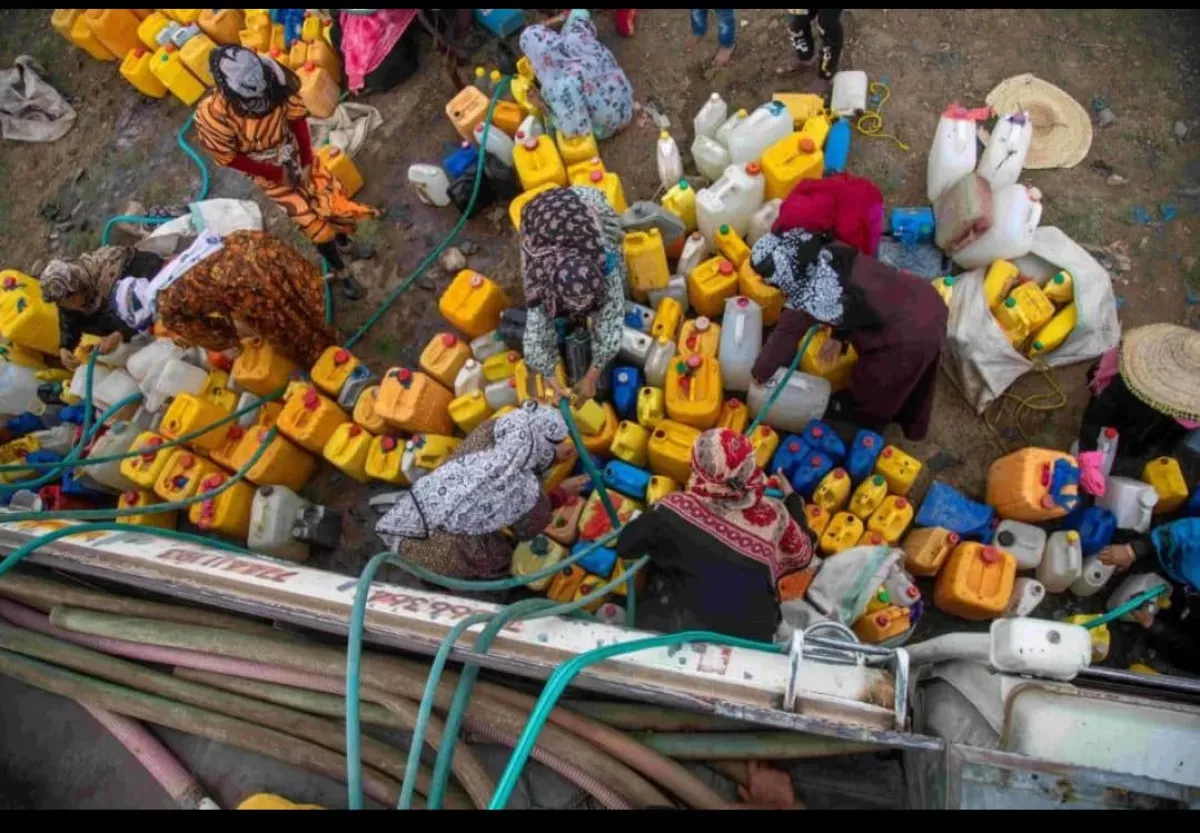
Households across Yemen continue to contend with the long-term impacts of protracted conflict, very poor macroeconomic conditions, and deteriorating income-earning opportunities, according to a Famine Early Warning System Network (FEWS) NET's recent analysis Food assistance needs are expected to peak at 15.0–15.99 million people during coming July–September lean season. In areas controlled by the Houthi rebels Emergency (IPC Phase 4) outcomes are expected to persist in Al-Hudaydah, Hajjah, and Ta'izz, while Crisis (IPC Phase 3) outcomes are expected elsewhere. Internal Displaced People in Al-Hudaydah, Hajjah, and Ta’izz are of greatest concern. Economic contraction and increased taxes on businesses are having widespread effects, leading to further declines in income-earning opportunities, effective demand, and financial access to food. During the lean season, seasonal pasture deterioration and elevated fodder prices are expected to compel poor pastoral households to sell livestock at atypically low prices. In areas controlled by the Internationally Recognized Government (IRG), Crisis (IPC Phase 3) outcomes are expected, with some households in Emergency (IPC Phase 4). Saudi financial support is expected to help fund public services and public sector salary payments and, together with CBY-Aden exchange rate agreements, maintain the stability of the Aden-based YER. However, weak labor demand, limited income-earning opportunities, and high food prices will continue to drive food consumption gaps among the poor. Seasonal harvests and social support are expected to provide temporary improvements in access to food, particularly given the cereal and fruit harvests through May in IRG areas and the grape and qat harvests in August-September in Houthis areas. However, these seasonal gains are insufficient to offset prolonged economic contraction and weak purchasing power. The World Food Programme (WFP) plans to reach 1.6 million beneficiaries in six distribution cycles in 2026 via the targeted emergency food assistance program in IRG-controlled areas. Food assistance will remain paused in Houthis-controlled areas. |