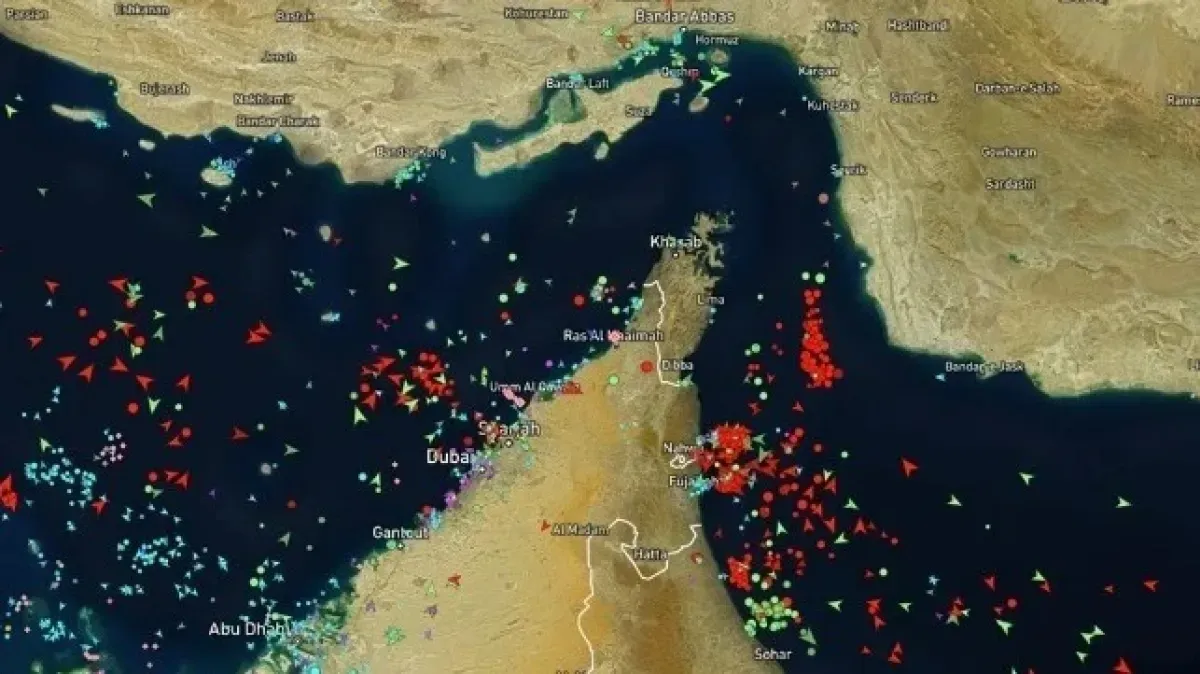



GCC-EU Summit Demands Iran Curb Nuclear Program, Condemns Attacks, Affirms Gulf Self-Defense
|
19 hours ago
A-
A+
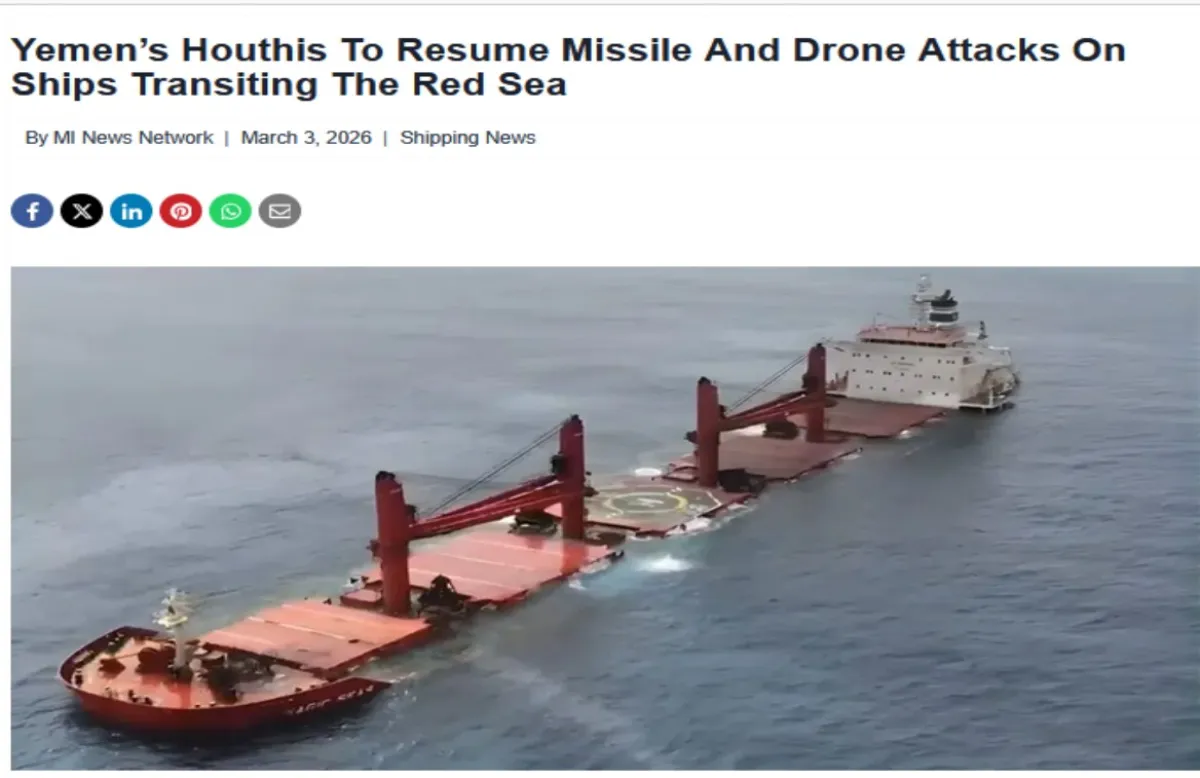
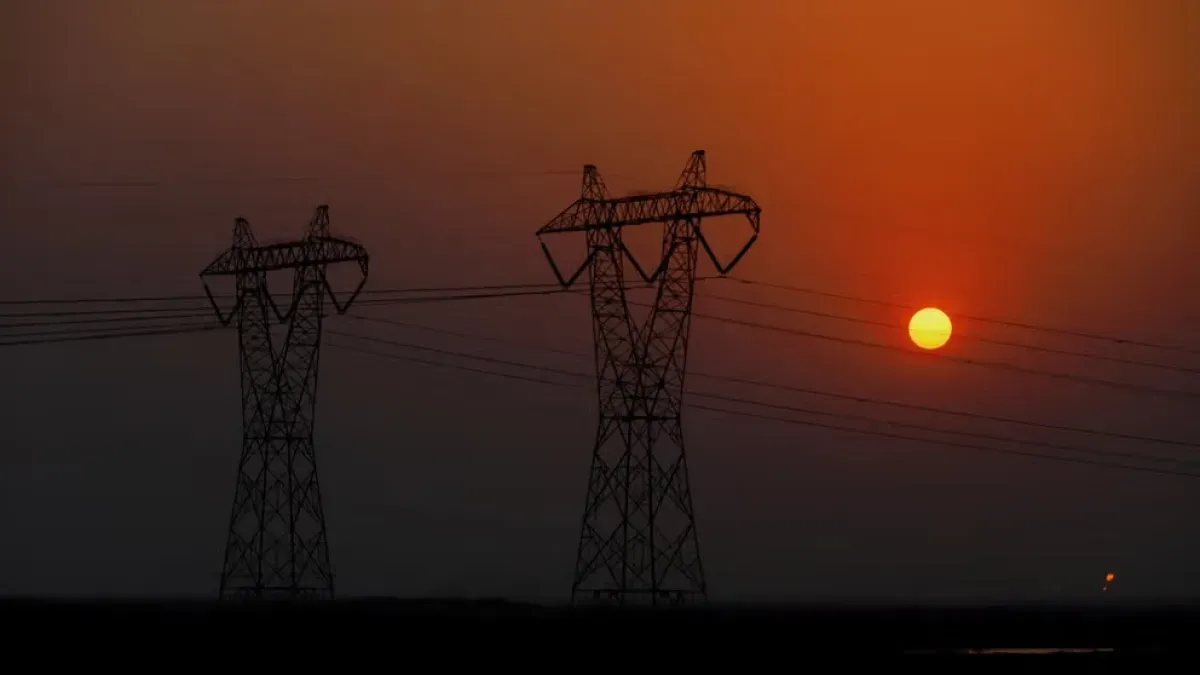
Ministers of Foreign Affairs from the Gulf Cooperation Council (GCC) and the European Union held an extraordinary meeting on March 5, 2026, to address escalating tensions in the Middle East and recent Iranian aggression against Gulf states. The GCC delegation was chaired by Bahrain's Foreign Minister, Abdullatif bin Rashid Al Zayani, in his capacity as the current President of the GCC Ministerial Council, with the participation of all member state foreign ministers and GCC Secretary-General Jassim Mohammed Al Budaiwi. The European side was led by EU High Representative for Foreign Affairs and Security Policy Kaja Kallas, alongside the foreign ministers of the member states. According to a statement released by the GCC Secretariat General's media center, the ministers underscored the critical importance of the strategic partnership between the two blocs, built upon the 1988 Cooperation Agreement and enhanced during the joint summit held in Brussels in 2024. The conferees strongly condemned the Iranian attacks targeting GCC nations, deeming them a grave threat to regional and international security, and issued an unequivocal demand for Tehran to cease these actions immediately and unconditionally. While the European Union reaffirmed its solidarity with the Council states, the ministers stressed the necessity of civilian protection, adherence to international law and international humanitarian law, and the principles of the United Nations Charter, while confirming their commitment to dialogue and diplomacy as the path to resolving the crisis. Furthermore, they demanded that Iran curb its nuclear program and ballistic missile activities, and halt destabilizing actions in the region and Europe, alongside ceasing violence against the Iranian populace. The meeting addressed the substantial damage inflicted by recent Iranian assaults, which impacted oil facilities, service infrastructure, and residential areas across the Gulf, resulting in significant material losses and direct threats to civilian safety. The ministers commended the diplomatic efforts undertaken by both the GCC and the EU preceding these attacks, reaffirming the commitment of the GCC states not to permit their territories to be used as launching pads for aggression against Iran. They also praised the mediating role played by the Sultanate of Oman in ongoing efforts, emphasizing the imperative of restoring regional stability and security. The ministers affirmed the right of GCC member states, pursuant to the UN Charter, to defend themselves individually or collectively against armed attacks, while stressing the primary responsibility of the UN Security Council in maintaining international peace and security. Both parties agreed to intensify diplomatic endeavors aimed at achieving a lasting solution that prevents Iran from acquiring nuclear weapons and limits the production and proliferation of missiles and drones that threaten regional and global security. The meeting highlighted the crucial need to safeguard regional airspace, maritime routes, and freedom of navigation, including the Strait of Hormuz and Bab el-Mandeb, to ensure the stability of global energy supplies and supply chains. The ministers concluded that the security and stability of the Gulf region are fundamental prerequisites for global economic stability, given the inextricable link between Gulf security and international security. The meeting acknowledged the vital role played by the European Union’s defensive naval operations, "Aspides" and "Atalanta," in securing critical sea lanes and mitigating disruptions to global trade, calling for enhanced coordination in this domain. Finally, the European Union expressed its appreciation for the support and assistance provided by GCC states to their respective citizens present in the Gulf, assuring collaborative efforts to guarantee the safe departure of EU nationals when necessary. |