


Gulf Instability Threatens Global Shipping, Disrupting Transit and Raising Costs
|
11 hours ago
A-
A+
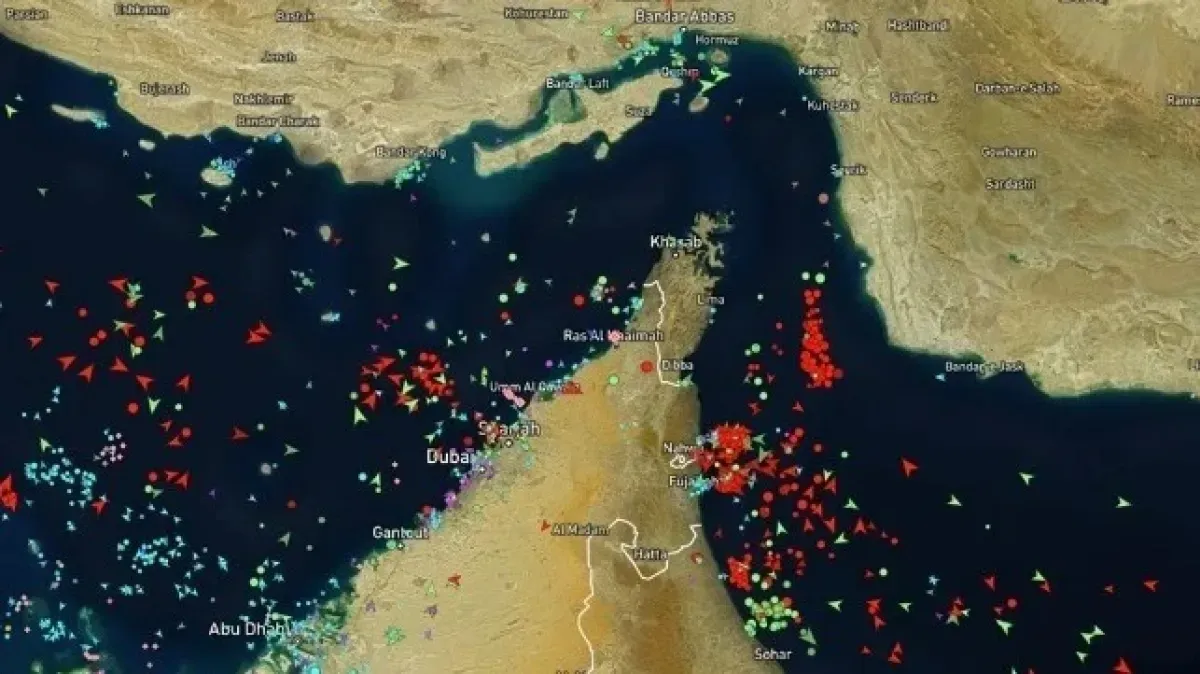
Recent analysis published by Maritime Executive indicates that escalating instability in the Gulf region is beginning to exert its full impact on the global shipping sector, manifesting in port restrictions and significant rerouting of maritime traffic. The central issue revolves around the near-total closure of the Strait of Hormuz to most vessel owners, with only a handful of companies, such as Greece’s Dynacom, reportedly willing to absorb the heightened risks, according to informed sources. Daily vessel traffic has plummeted from its normal level of 100 ships to critically low figures, exacerbated by threats from Iran to target passing vessels and the widespread absence of war risk insurance coverage for most Western fleets. Despite U.S. efforts to provide alternative guarantees, the majority of commercial vessels remain idled pending further developments. Data compiled by Clarksons reveals that at least 3,200 vessels are currently stranded within the Gulf, representing approximately 4% of global cargo capacity and constituting a tangible loss to the available worldwide fleet. This figure includes over 100 container ships. Furthermore, approximately 500 additional vessels, including empty oil tankers essential for sustaining Gulf energy production, are awaiting passage on the eastern side of the Strait. Maritime Executive confirmed that while the Gulf is not a primary market for regular liner traffic, the conflict is anticipated to generate secondary, positive effects for carriers' revenues. The diversion of container vessels around the Cape of Good Hope will absorb available tonnage-mile capacity, thereby increasing freight rates, mirroring dynamics observed during the Red Sea crisis. Moreover, the suspension of traffic into the Gulf is likely to cause congestion at external ports, as containers will be delayed or rerouted to alternative hubs like Jeddah or King Abdullah Port, bolstering spot rates for standard containers. Additionally, once the conflict subsides and traffic resumes fully, Gulf ports are expected to face severe congestion as the backlog of vessels arrives simultaneously, creating operational complexities. Jeremy Nixon, CEO of ONE, emphasized the inevitable consequences of the situation during his participation in an S&P shipping event in Long Beach, stating that the instability "will inevitably affect shipping prices; it will inevitably affect fuel costs; and it will inevitably affect equipment imbalances as well." |