


How 2026 Aid Cuts Fuel Yemen's Endless Humanitarian Catastrophe
|
1 hour ago
A-
A+
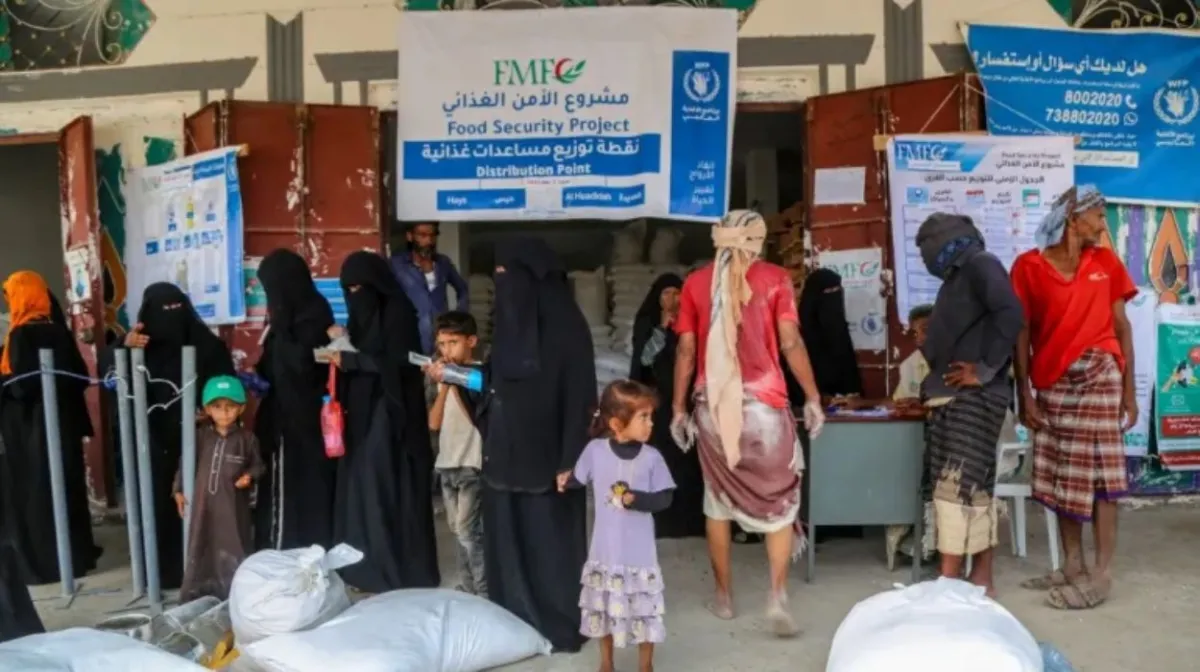
The sharp decline in humanitarian funding for Yemen in 2026 stems from deliberate state policy shifts among Western donors, particularly the United States under President Trump's administration, which slashed contributions that once formed the backbone of relief efforts, according to a report published by ImpACT International for Human Rights Policies. This left the UN's Humanitarian Response Plan critically underfunded at 25% by early 2026, forcing the closure of 453 health facilities across 22 governorates since the start of 2025 and disrupting essential services like maternal care, emergency treatments, and vaccinations. Julien Harneis, the UN Resident and Humanitarian Coordinator, recently captured the gravity during a Geneva briefing, boldly stating "The context is very concerning… We are expecting things to be much worse in 2026," as economic turmoil, service breakdowns, and political instability converge to amplify needs from 19.5 million aid recipients in 2025 to over 21 million now. These aid fund’s cuts have not only halted life-saving programs but also dismissed hundreds of aid workers, disproportionately impacting women-led NGOs that provide critical community support, thereby deepening gender-based human rights disparities in access to aid. Compounding this, the funding vortex has ripple effects across Yemen's fractured landscape, where blockades on oil exports and rampant inflation erode household purchasing power, pushing 58% of the population into extreme poverty and erasing over 600,000 jobs since the conflict's escalation. Harneis further illuminated the unraveling progress, noting “"For the past ten years, the U.N. and humanitarian organizations have managed to reduce mortality and improve health outcomes... this year, that will not be the case," a stark admission that state policy decisions in donor capitals are directly undoing global human rights commitments under frameworks like the Responsibility to Protect. With only $680 million secured against billions needed, the crisis exposes how Yemen aid crisis management has become a casualty of shifting international priorities, leaving Gulf states like Saudi Arabia and the UAE as reluctant fillers of the void amid their own regional frictions. Health infrastructure, already battered, teeters on total collapse, evidenced by cholera outbreaks claiming 95,000 cases and 258 deaths between 2024 and 2025, alongside looming threats of measles and polio spilling across borders due to vaccination gaps. The Yemen aid crisis thus manifests not as isolated events but as a systemic failure where state policy neglect from donors amplifies local dysfunctions, violating core human rights principles of access to basic necessities and protection from preventable diseases. Yemen's economic foundations, shattered by years of war and now aid withdrawal, underpin the human rights catastrophe unfolding in 2026, with inflation eroding wages and service disruptions leaving households without electricity, water, or sanitation for weeks on end. World Bank assessments confirm the deepening hardship, noting that despite some revenue stabilization efforts, turmoil continues to limit food access for millions, trapping communities in Phase 3 crises that could expand without urgent cash infusions. This collapse intersects brutally with the funding shortfall, as state policy decisions abroad—such as the U.S. terminating $107 million in programs—eliminate buffers against poverty, dismissing aid workers and halting resilience projects designed to restore community dignity and self-sufficiency. In this context, Yemen's plight challenges global norms, demanding a reevaluation of state policy that treats humanitarian aid as discretionary rather than a non-negotiable human rights imperative. The Yemen aid crisis extends beyond borders, threatening regional stability as disease outbreaks risk exporting measles, polio, and cholera amid unvaccinated populations, while Red Sea disruptions from related tensions inflate global shipping costs. Without a donor surge—potentially through the Yemen Humanitarian Fund prioritizing life-saving interventions—the trajectory points to irreversible losses, where today's funding gaps become tomorrow's mass graves. The bold rhetoric surrounding security responses and reform efforts masks this reality, but the numbers—21 million needy, thousands dead from violence and neglect—demand accountability. As Yemen navigates this endless catastrophe, reclaiming human rights as central to state policy remains the only viable escape from perpetual despair.. |