


Houthi Militia Imposes New Price Hikes in Sanaa, Impacting Citizens
|
1 day ago
A-
A+
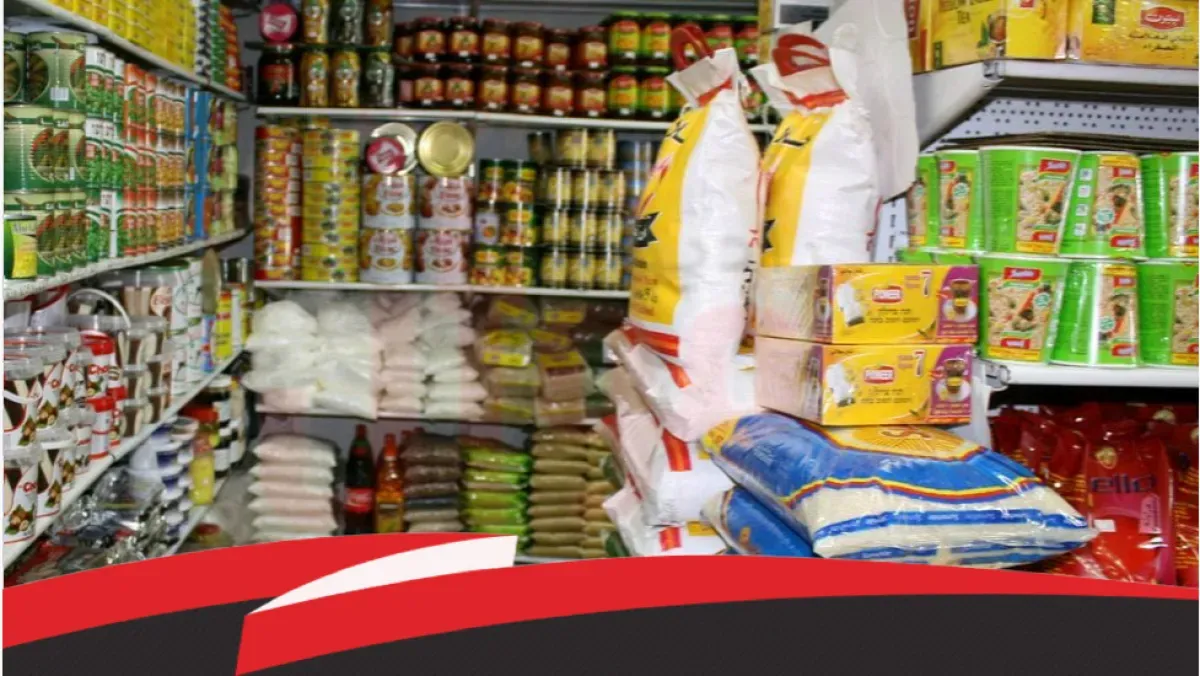
The Houthi militia has implemented new price increases on food, medicine, and petroleum products in Sanaa and areas under its control, exacerbating the financial burden on citizens amidst ongoing salary disruptions for state employees and declining household purchasing power. Local sources in Sanaa revealed that these price hikes are occurring at a time when residents are already grappling with deteriorating economic conditions and escalating living costs. This situation intensifies the difficulty of securing basic necessities, particularly for low-income families facing a widening gap between their reduced incomes and the rising prices of goods and services. These developments coincide with increasing pressures on the market, including liquidity shortages, a scarcity of foreign currency, higher import and transportation costs, and a proliferation of fees and levies imposed on commercial activities. These factors collectively contribute to inflated prices for goods and place a greater burden on consumers. The increases in the prices of food, medicine, and petroleum products raise concerns about a widening scope of deprivation. Higher fuel costs translate to increased transportation and operational expenses, which in turn can affect the prices of goods and services. Meanwhile, a diminished purchasing power limits families' ability to meet their daily needs. In the backdrop of this crisis, the World Food Programme (WFP) reported that prices for essential commodities in Houthi-controlled areas have risen by over 10% since the beginning of 2026. Local data cited in the report indicated a price increase for several staple goods, particularly vegetable oils, in Sanaa ranging between 6% and 13% from February to May. The WFP attributed the price hikes to economic difficulties and rising global food prices, influenced by regional conflicts. The program highlighted persistent challenges, including a lack of dollars, liquidity constraints, declining revenues, and pressures on the commercial sector, despite relative exchange rate stability. It warned of the impact these factors have on purchasing power and families' access to food, especially as Houthi-controlled areas face additional risks following the suspension of humanitarian aid since August 2025 due to a deteriorating humanitarian work environment. |