


Activist Details Hujariyah Collapse Amidst Weapons Cache and Leadership Void
|
1 day ago
A-
A+

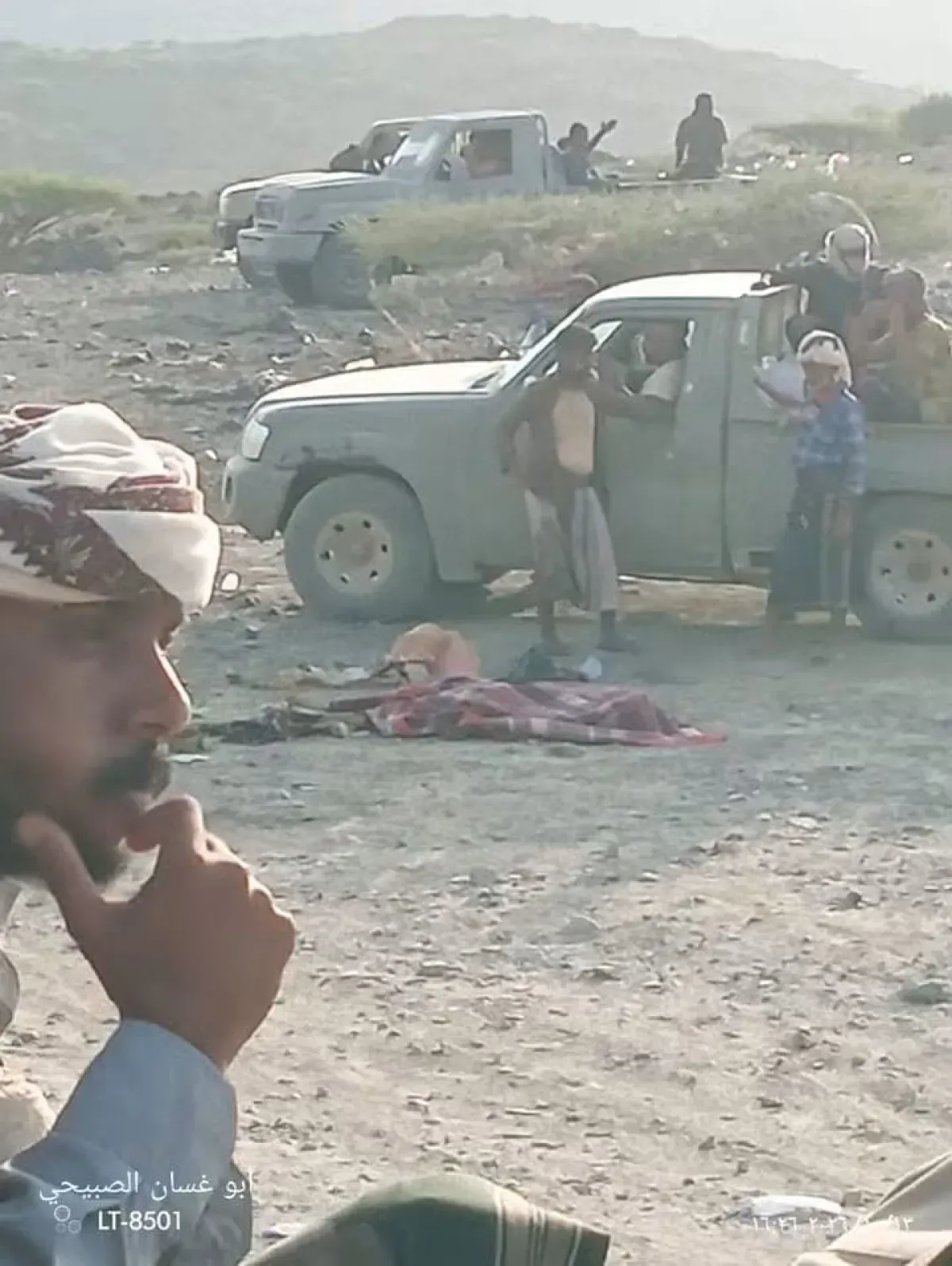
Humanitarian activist Dhirar Al-Qudsi has revealed firsthand accounts of the fall of areas in Al-Hujariyah, Taiz governorate, to Houthi militias, citing fighter withdrawals, absent leadership on the front lines, and the abandonment of substantial arms and ammunition despite the presence of numerous resistance fighters. Al-Qudsi shared his narrative through videos posted on his Facebook account following reports of his death. He detailed his movements from Taiz city towards the Safiyah front, then through Al-Nashamah, Al-Ain, Al-Turbah, and Hayjat Al-Abd, culminating in his village, which he was forced to abandon. He described hiding in basements and moving between shelters during the initial days of the Houthi incursion. He explained that he was in Taiz city when he heard of escalating confrontations in Safiyah. After purchasing ammunition to support the fighters, he was surprised upon reaching Al-Nashamah to find Safiyah already under Houthi control, with their forces advancing towards Al-Burkaniyah. He attempted to return to his village via Al-Ain, only to be informed that Houthi militias had reached Al-Samsarah and entered Ghubairah, bringing them mere kilometers from residential areas. This prompted him to try and evacuate his family towards Al-Turbah. Al-Qudsi recounted being stopped near Beit Al-Shamsani by armed individuals who cited orders preventing his passage. He observed a significant traffic jam, including an overturned military transport vehicle blocking the road amidst a dispute among soldiers over the ownership of the weapons it carried. After contacting the vehicle's owner, who confirmed it was his, Al-Qudsi requested reinforcements and warned of the approaching Houthi forces before the vehicle was buried and the road cleared. Upon arriving in Al-Turbah, Al-Qudsi observed a large number of resistance fighters, concluding that their numbers alone, if coupled with effective leadership, organization, and readiness, would have been sufficient to halt the Houthi advance. However, he was informed that roads were being blocked, Houthi fighters were near military checkpoints, and resistance elements were retreating without significant engagement. He decided to head towards Hayjat Al-Abd, but the route was reportedly dangerous due to landmines. Individuals from Al-Madhahej offered him and his family sanctuary. Despite this, Al-Qudsi returned towards his village, taking a wrong turn that brought him close to Houthi positions, resulting in a tire blowout. A fellow driver, despite his own family's fear, provided a spare tire, enabling Al-Qudsi to continue. Inside the area, Al-Qudsi learned that soldiers had moved from Beit Al-Shamsani to Ghubairah. Citizens seeking weapons to join the fight were unsuccessful, though some villagers later retrieved arms and ammunition for their homes. He stated that the region possessed ample weaponry and ammunition that could have prolonged the confrontation if properly utilized under organized military preparation and active field leadership. Regarding casualties, Al-Qudsi reported that the confrontations lasted three days before the resistance retreated. He stated that Jamil Aqlan was fatally stabbed, along with three of his sons. While praising those who resisted, he attributed the outcome to a lack of leadership, inadequate preparation, and the preoccupation of some leaders with personal interests, referencing the late Adnan Al-Hammadi in his discussion on assessing the causes of the events. Al-Qudsi described his own harrowing experience of hiding in basements and caves for seven days, enduring sleepless nights and constant fear, before conditions relatively stabilized. He characterized the civilian suffering as a painful ordeal for those displaced or forced into hiding. He concluded by expressing anger at what he described as betrayal and dereliction that led to Al-Hujariyah's current state, emphasizing that the local population paid the price for these failures. His testimony, detailing fighter movements, arms, withdrawals, and civilian suffering, highlights the operational circumstances surrounding the fall of areas in Al-Hujariyah and raises critical questions about military readiness, leadership, and battle management, based on his personal experience. |