


Yemeni Coast Guard Warns of Expanded Houthi Threats in Bab al-Mandab
|
52 minutes ago
A-
A+
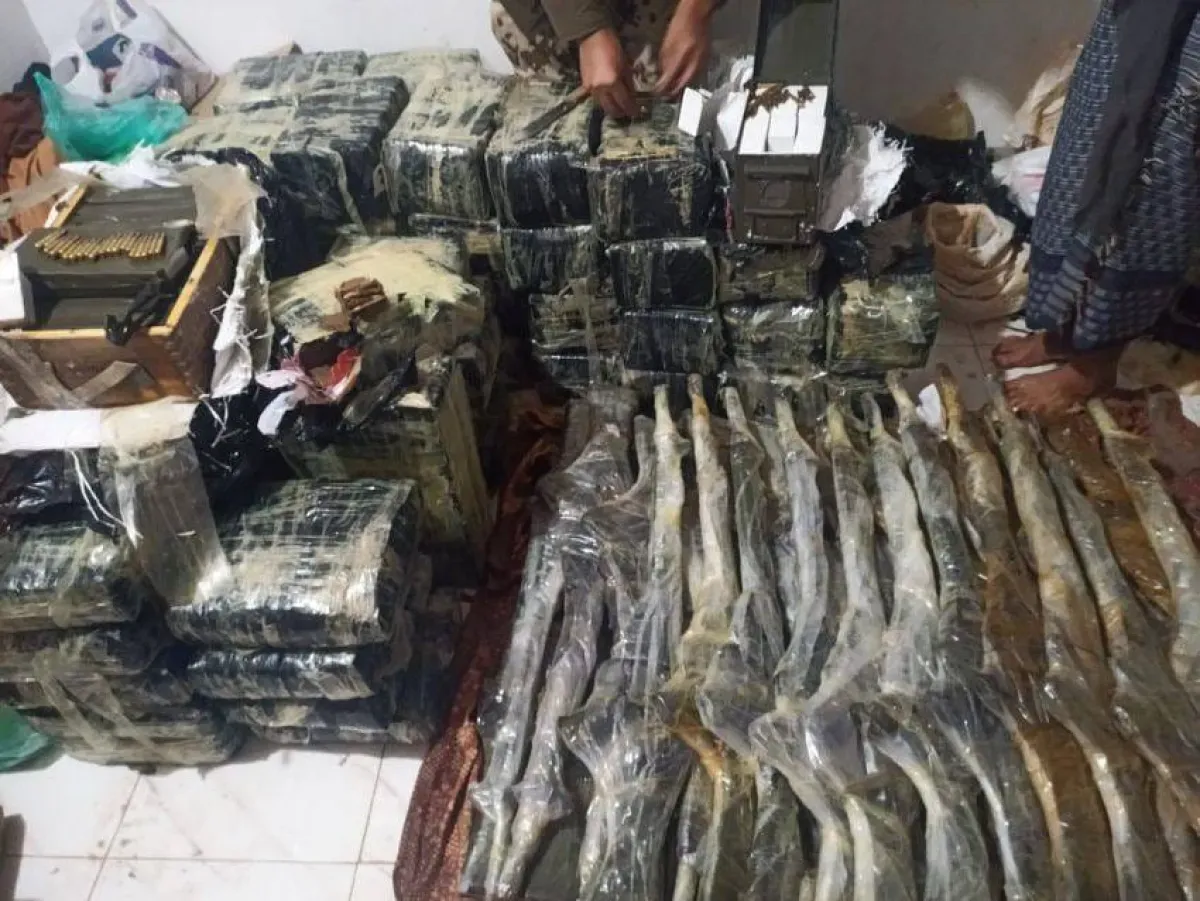
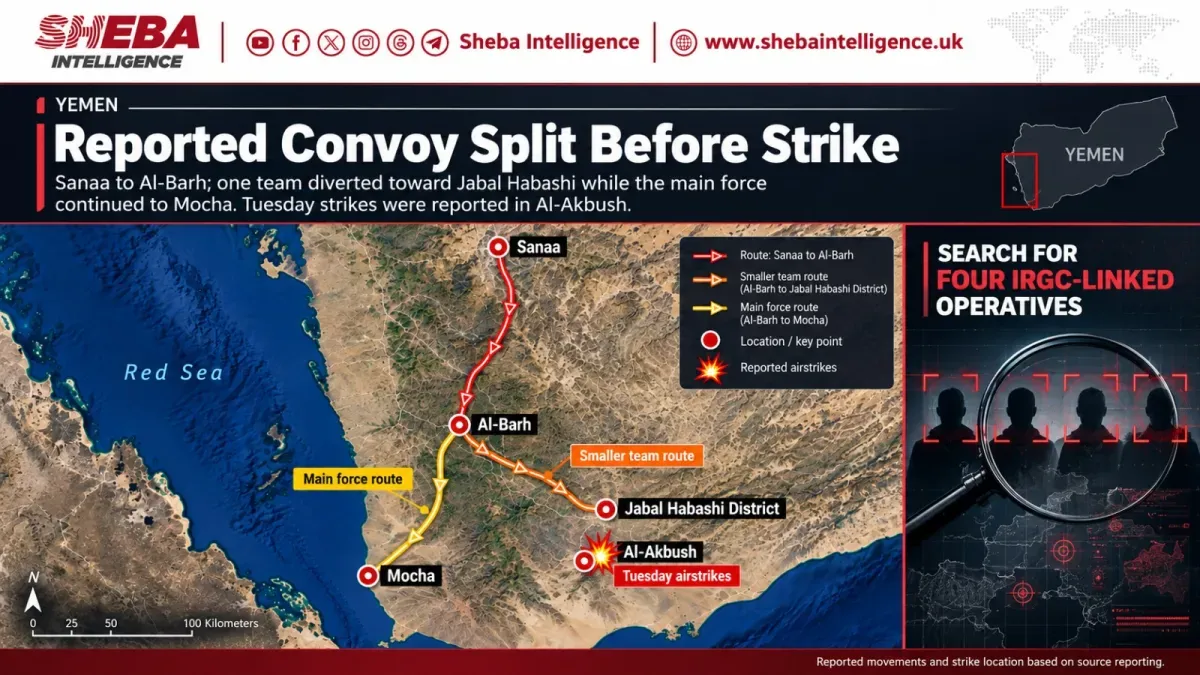
The head of the Yemeni Coast Guard, Major General Khalid Al-Qamli, has warned that the Houthi militia's control over coastal areas and islands in the Red Sea, including strategic locations near Mokha and Bab al-Mandab, represents a significant escalation in the threat to maritime navigation. This expansion potentially facilitates smuggling networks and enhances the group's maritime surveillance capabilities. Al-Qamli stated in remarks to the newspaper Asharq Al-Awsat that vessels utilized by the Houthi militia for smuggling are now operating openly along the Red Sea coast, with their tracking devices intentionally left active. This contrasts with previous practices where such vessels would deactivate their transponders to evade detection by the Yemeni Coast Guard. He indicated that the danger extends beyond arms smuggling to encompass communication equipment, dual-use technologies, narcotics, and military components. The coastal areas and islands under Houthi control could provide the group with additional options for receiving, concealing, and redistributing illicit shipments. The official believes that the Iranian-backed Houthi militia's possession of sites near Bab al-Mandab, coupled with their arsenal of missiles, drones, and armed boats, amplifies their capacity to monitor ship movements and increase risks to international shipping, even without the ability to fully blockade the strait. This situation could lead to persistently elevated security risks for vessels, potentially increasing insurance and protection costs or compelling some shipping companies to alter their routes. These warnings come amid ongoing international scrutiny of attacks on ships and mariners in the Red Sea. The UN Security Council, in July 2026, extended the mandate for the Secretary-General to report on Houthi attacks in the region. Al-Qamli also highlighted risks associated with maritime routes between Yemen and the Horn of Africa, cautioning about potential increased collaboration between the Houthi militia and armed networks in the region, including Somalia's Al-Shabaab movement. He suggested that the development of such links could extend beyond arms smuggling to include funding, equipment, technology, and communications. Neil Cooper, the Chargé d'Affaires of the U.S. Embassy in Riyadh, previously accused Iran of operating vessels in the Red Sea that engaged in cyber and intelligence activities benefiting the Houthi militia, in addition to transporting components for missiles and drones, and oil through what is known as the "shadow fleet." Al-Qamli urged a comprehensive approach to combating smuggling routes in the Red Sea and the Gulf of Aden, viewing them as an interconnected network extending beyond Yemeni waters. He called for enhanced cooperation between the Yemeni Coast Guard and its counterparts in Somalia and Djibouti, particularly in information sharing, tracking suspicious vessels, and coordinating interception operations. He stressed that effective anti-smuggling efforts require linking surveillance and interception systems on both sides of Bab al-Mandab, rather than focusing solely on the Yemeni side, and closely monitoring boats and fishing vessels that could be used to transport prohibited materials. According to Al-Qamli, coordinated efforts between Yemen and Horn of Africa nations can limit the exploitation of maritime corridors by armed groups, stretching from the Somali and Djibouti coasts to Bab al-Mandab and Yemen's western coast. |