


Iran's Houthi Proxy Faces Mounting Pressure Amid Regional Isolation
|
2 weeks ago
A-
A+
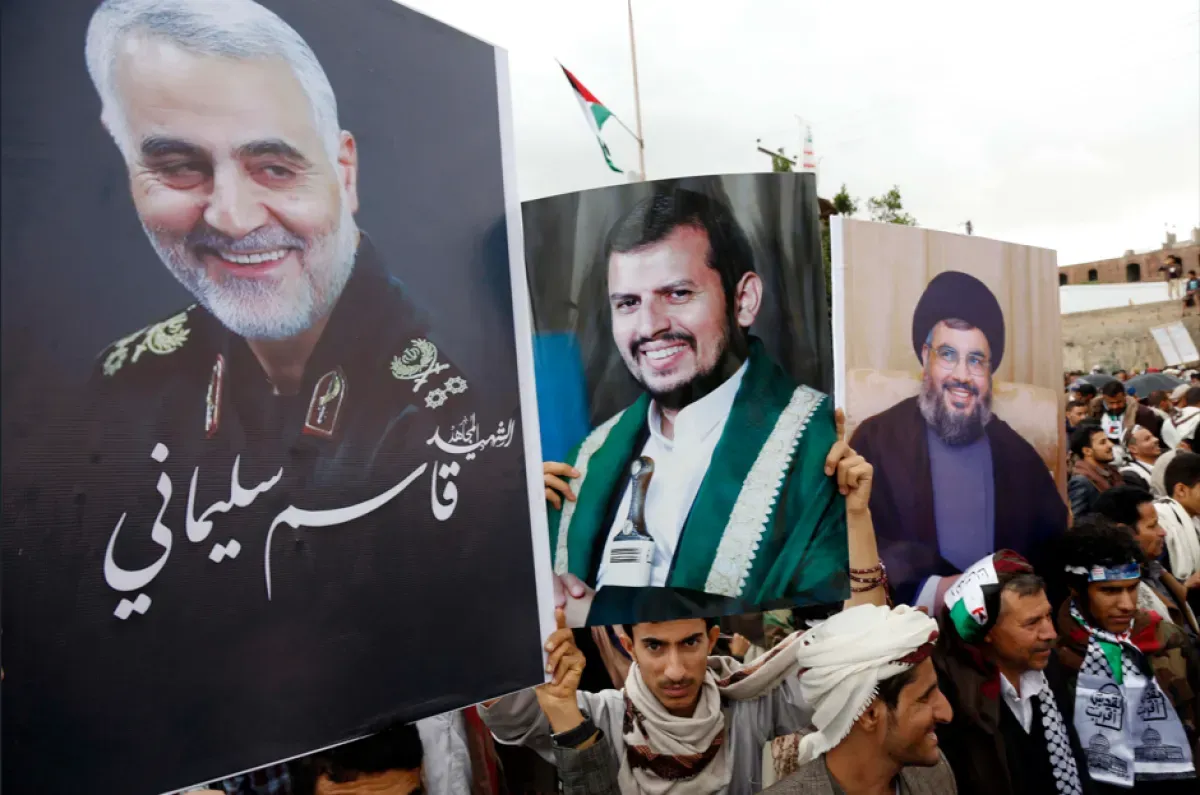
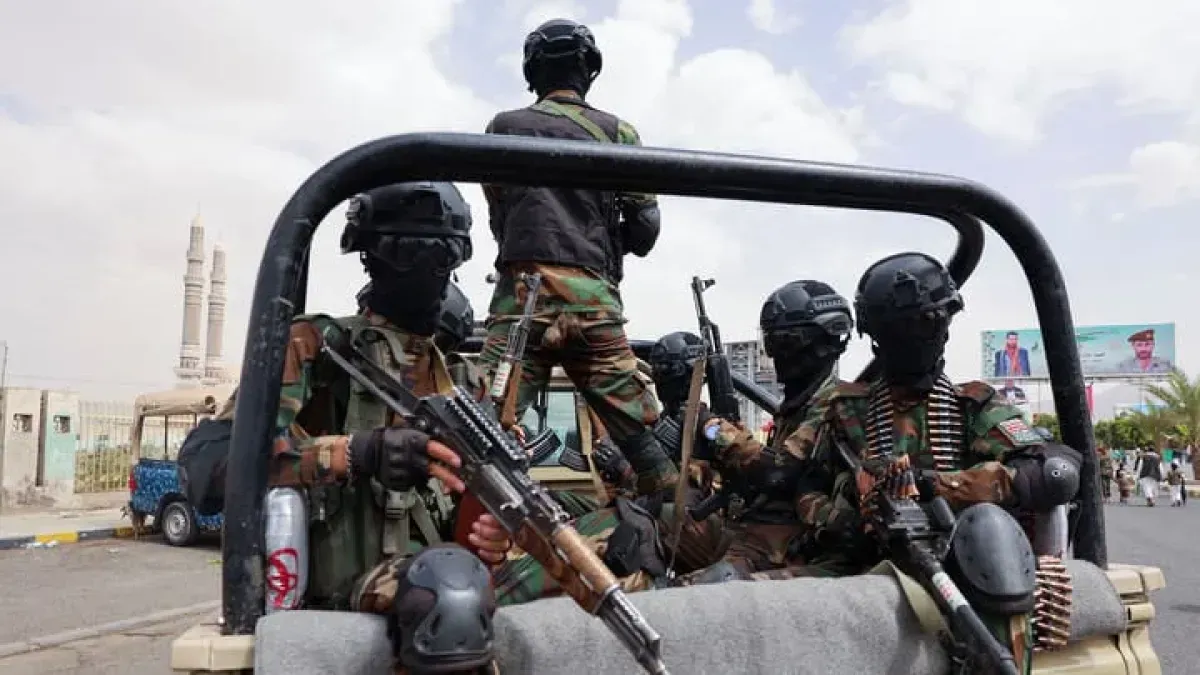
The Iranian regime is facing unprecedented internal and external pressures, with its regional influence significantly diminished. As many of its long-established military and political proxies in Arab capitals have been weakened or dismantled, the Houthi militia in Yemen remains Tehran's last resort and a tool for disrupting vital waterways. This increasing reliance on the Houthis by Iran's Revolutionary Guard Corps, according to observers, signifies a state of helplessness and desperate attempts to achieve political or military gains at the expense of regional and global stability. For years, Iran's regional strategy was based on a forward offensive defense, utilizing multiple proxies to divert international attention from its domestic affairs and nuclear program. However, with significant blows to this network and the disintegration of its so-called "axis of resistance," Tehran has found itself compelled to depend entirely on the Houthi militia. Analysts suggest that the strategic geography controlled by the Houthis, overlooking the Bab al-Mandab Strait and the Red Sea, provides Tehran with a potent bargaining chip capable of threatening global trade and the international economy with minimal direct cost to the Iranian regime. In an effort to translate Iranian directives into tangible gains, the Houthi militia recently launched extensive, seemingly suicidal attacks on multiple fronts, most notably in the western countryside of Taiz and southern Hodeidah along the west coast. However, these military ventures were met with a robust defense by the National Army forces and components of the Republican front, including the Giants Brigades, the National Resistance, and the Shield of the Homeland forces. The joint forces and the National Army successfully repelled the attacks in the Taiz countryside's "fire triangle" and executed counter-offensives that resulted in the recapture of key strategic positions and secured vital supply lines connecting Taiz and Mocha. Field reports indicate that these confrontations resulted in hundreds of Houthi casualties, with dozens of their fighters captured, underscoring the failure of Iran's gamble to achieve battlefield advances that could shift the balance of power in favor of its agenda. Iran's utilization of the Houthi militia has not been confined to ground battles; it has extended to threatening international navigation through ballistic missile launches, fiber-optic guided suicide drones, and explosive-laden boats. These maritime actions do not serve the Yemeni cause or any Arab interests; rather, they are directly managed by a joint operations room overseen by experts from the Iranian Revolutionary Guard Corps to manipulate political dynamics, alleviate pressure on Tehran, and attempt to impose new negotiation terms with international powers. Nevertheless, this escalation has been met with international naval coalitions and decisive measures that have significantly curtailed the effectiveness of these attacks, turning them into a strategic burden for the militia and its supporters. Amidst their battlefield setbacks and inability to achieve genuine breakthroughs, the Houthi militia, as is their custom, resorts to retaliating against unarmed civilians. Human rights organizations have documented intense, indiscriminate shelling with ballistic and thermal missiles targeting residential villages, restaurants, and vital arteries like the strategic Hajeh Al-Abd road, which connects Taiz and Aden. This has resulted in civilian casualties and waves of displacement for dozens of families. These blatant violations expose the ugly face of the Houthi-Iranian project, which disregards the suffering of the Yemeni people and continues to destroy already dilapidated infrastructure in service of a regional blackmail policy. Analytical readings of the Yemeni and regional landscape converge on the conclusion that Iran's reliance on the Houthis as its last regional proxy will only lead to further failure. The Yemeni armed forces, bolstered by broad popular and tribal support, are now more cohesive and coordinated than ever. With continued international sanctions and diplomatic isolation resulting from the Houthis' reckless actions, these desperate attempts will only exacerbate the militia's disarray and accelerate the collapse of Iran's expansionist project in the region, leaving Yemen free, Arab, and resilient against foreign dependency and subjugation. |