


General People's Congress: Four Decades of Stability and Yemeni Renaissance
|
2 days ago
A-
A+
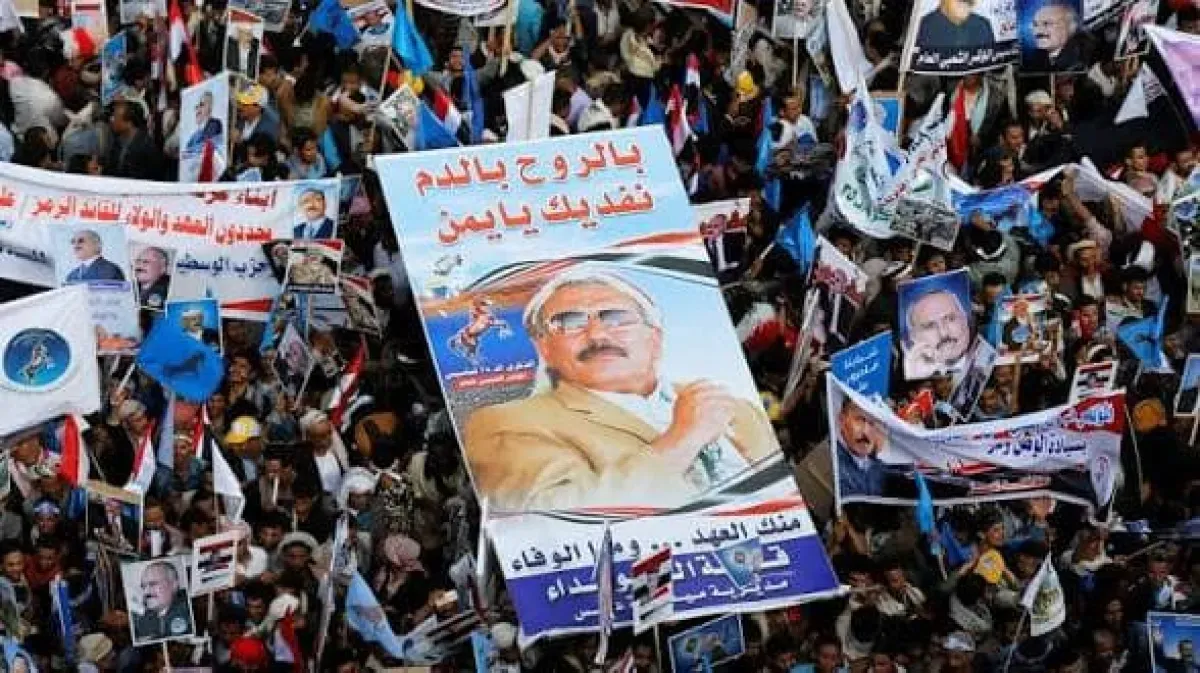
As August 24 approaches, political and popular circles in Yemen are preparing to commemorate the anniversary of the founding of the General People's Congress (GPC). Established in 1982, this national occasion marked a strategic turning point in the trajectory of the modern Yemeni state. The emergence of this pioneering organization heralded a new era, transitioning the country from a landscape of conflict and clandestine activities to one of construction, development, stability, and the establishment of modern state institutions based on consensus, moderation, and the rejection of exclusion and extremism. The establishment of the GPC arose from an urgent national need to end intellectual fragmentation. The party succeeded in formulating the "National Charter," a theoretical and intellectual guide rooted in Yemen's soil and societal identity. It distinguished itself through its exceptional ability to encompass all political and intellectual currents under a single national umbrella, bringing an end to years of turmoil and presenting a brilliant model for political and social harmony. This approach established comprehensive dialogue as the sole civilized means for managing public affairs and shaping national decisions. The ambitions of the GPC extended beyond political stability, translating vision into action by initiating the most extensive development drive in modern Yemeni history. This comprehensive renaissance touched every part of the nation, manifesting in the completion of colossal strategic projects, foremost among them sustainable development initiatives. This included unlocking the nation's latent wealth in oil and gas and utilizing the revenues to modernize infrastructure, constructing an extensive network of roads, bridges, and airports that connected cities and rural areas, thereby facilitating trade. Concurrently, there was a significant leap in educational outreach, with the establishment of public universities and technical institutes, and the construction of hospitals even in the most remote villages and regions. The most prominent and enduring achievement in the GPC's record remains its wise and historic leadership in achieving the blessed Yemeni unification on May 22, 1990. The party's role was not confined to the peaceful and institutional integration of the two parts of the country; it coupled this great accomplishment with the consolidation of democratic principles and political pluralism. It became a pioneer of the democratic experience by organizing and overseeing a series of free and fair elections, repeatedly earning the trust of the people through its pragmatic programs, while also creating broad opportunities for the empowerment of youth and women in senior decision-making positions. This internal wisdom was clearly reflected in both the military and diplomatic spheres. The party placed significant emphasis on building professional armed forces and security services to protect national sovereignty and maintain public order. Externally, it crafted a balanced and rational diplomatic policy based on the principles of good neighborliness and the peaceful resolution of border disputes through arbitration, transforming Yemen into a pivotal element of stability and a trusted partner in the region and the world. This renewed commemoration clearly affirms that the General People's Congress was not merely a ruling party but has been and remains the backbone of the Yemeni state and the guarantor of its stability. Its name is etched in the public consciousness with the most prosperous and secure eras. This pioneering experience continues to serve as an inspiring national school, demonstrating that moderate political vision and dedicated leadership are always capable of orchestrating major historical transformations, safeguarding national dignity, and advancing the nation toward a bright future. |