


General People's Congress Marks 44 Years: A Renewed National Journey
|
8 hours ago
A-
A+
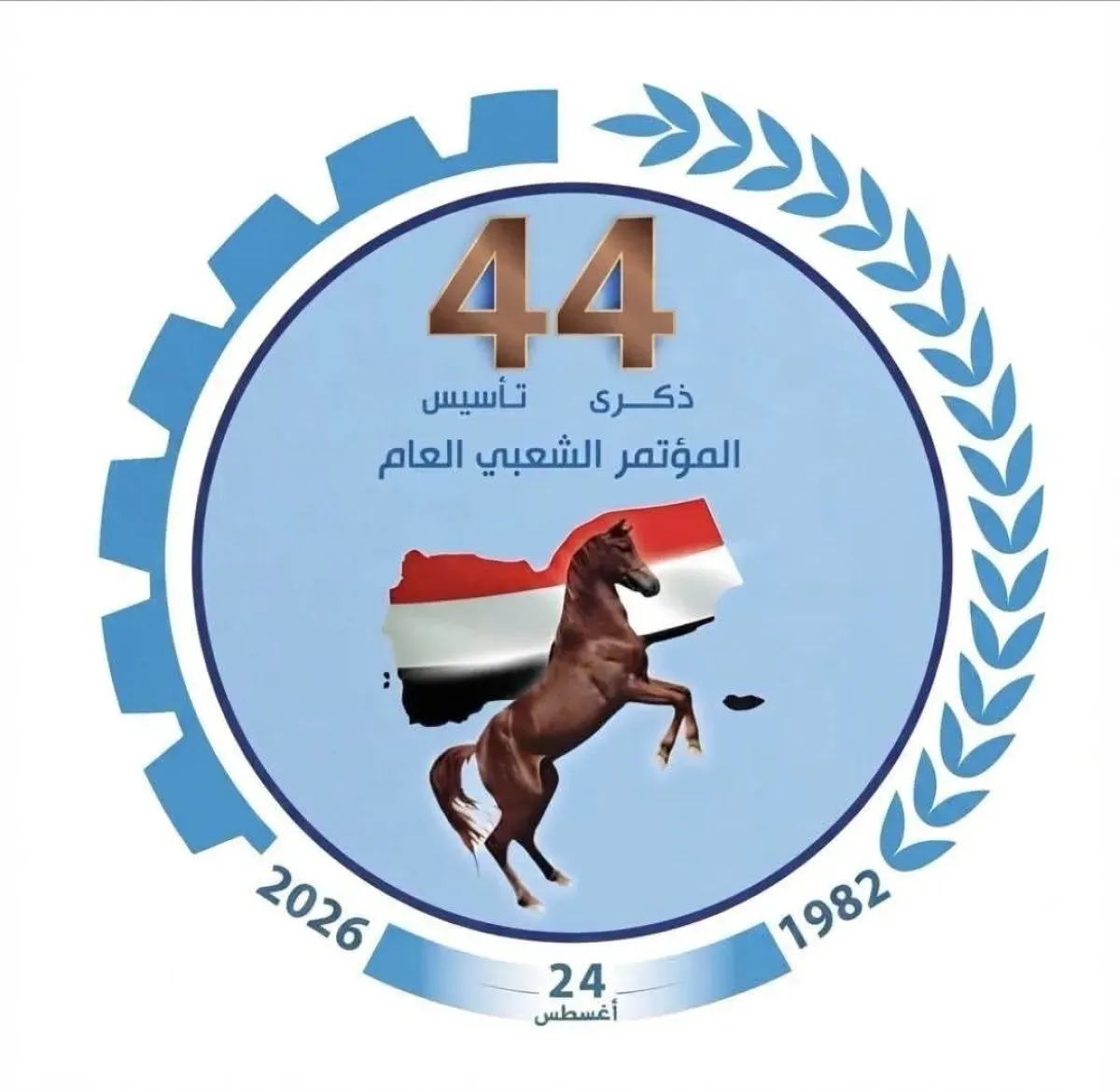
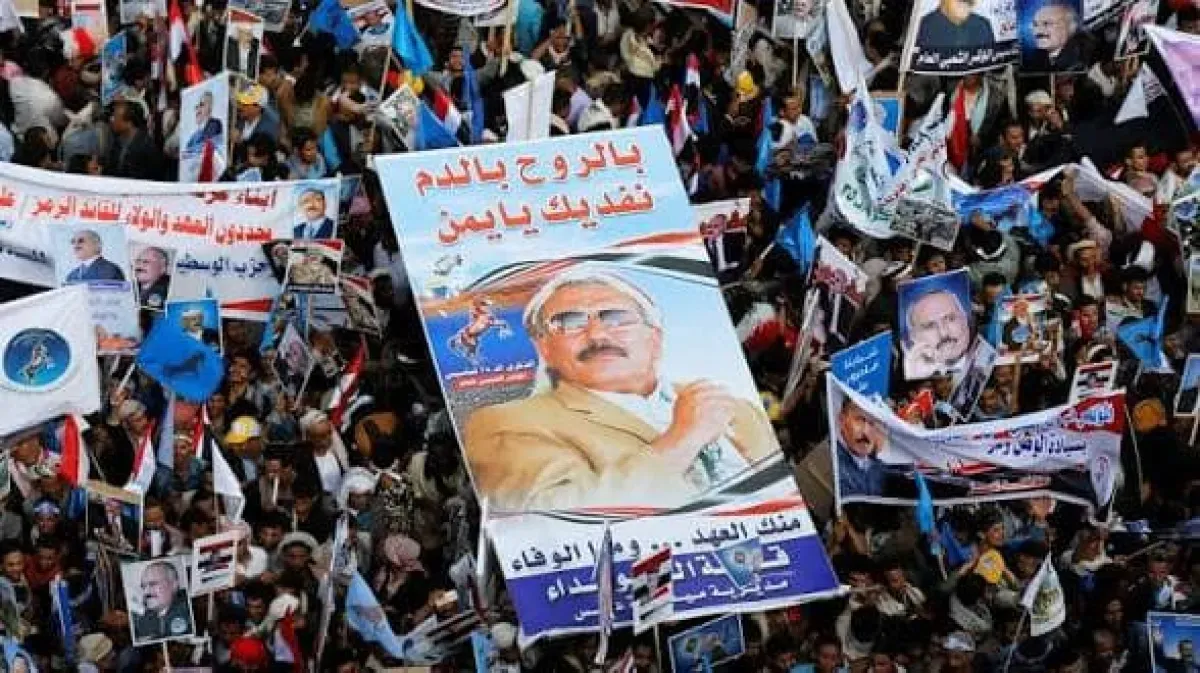
Established on August 24, 1982, the General People's Congress (GPC) emerged during a pivotal political and historical juncture in Yemen, a nation in need of a broad national framework to encompass its political and social diversity and unite national forces and figures around issues of state, republic, development, and unity. Since its inception, the GPC has transcended the definition of a traditional political organization, becoming an integral part of modern Yemeni state history and a significant actor in the country's political transformations for over four decades. As the 44th anniversary approaches, the GPC's experience appears too extensive to be confined to a party occasion; it represents a sustained political journey intertwined with critical phases of Yemen's history, from state institution-building and the achievement of Yemeni unity to the transition to political pluralism and confronting the challenges and conflicts that have beset the nation in the last decade. The founding of the GPC was necessitated by the need for a political formula capable of accommodating diverse social and national trends and figures, moving beyond the partisan exclusivity that characterized the Yemeni political landscape at the time. Over the years, the GPC evolved into a widely influential political and organizational force, cultivating a popular base that extended across various governorates and regions. With the advent of Yemeni unification in 1990, the GPC entered a new phase, becoming a key player in the unified Yemeni political equation and engaging in the experiences of pluralism, elections, political alliances, and the inherent conflicts that followed unification. It is challenging to analyze Yemeni political history over the past four decades without acknowledging the GPC's role in achieving Yemeni unity and consolidating political pluralism. The unity realized on May 22, 1990, marked one of the most significant transformations in modern Yemeni history, paving the way for a pluralistic political system, competitive elections, and expanded political participation. For the GPC, pluralism was not merely a transient political circumstance but became an integral part of its political experience, particularly after Yemen's transition to a more open party and electoral system. The history of the GPC is inextricably linked to the late founding President Ali Abdullah Saleh, whose name has been associated with the party's establishment and leadership from its early days, remaining the most influential figure throughout its political and organizational trajectory. Saleh guided the GPC through highly complex political phases, and his name is connected to major national transformations, including unity, political pluralism, and state institution-building. Following his assassination in December 2017, alongside the GPC's Secretary-General Arif Al-Zouka, the party lost the individual who had been its political and organizational center of gravity for over three decades. Despite all the transformations the country has undergone, the GPC continues to maintain a notable political, popular, and organizational presence. This is largely attributable to its four-decade-long experience, a broad base of cadres and supporters, and its association with major political milestones in Yemen's history. Furthermore, the GPC was conceived not as an exclusive elite organization but from its outset on a broad participatory foundation, which facilitated its establishment of a presence in various governorates and local communities. Consequently, any assessment of the future of the political process in Yemen that overlooks the GPC or assumes its easy marginalization would present an incomplete view of the Yemeni political and social landscape. |