


Yemen Reels Amid Surge in Assassinations: 11 Incidents Recorded in 8 Months
|
2 hours ago
A-
A+
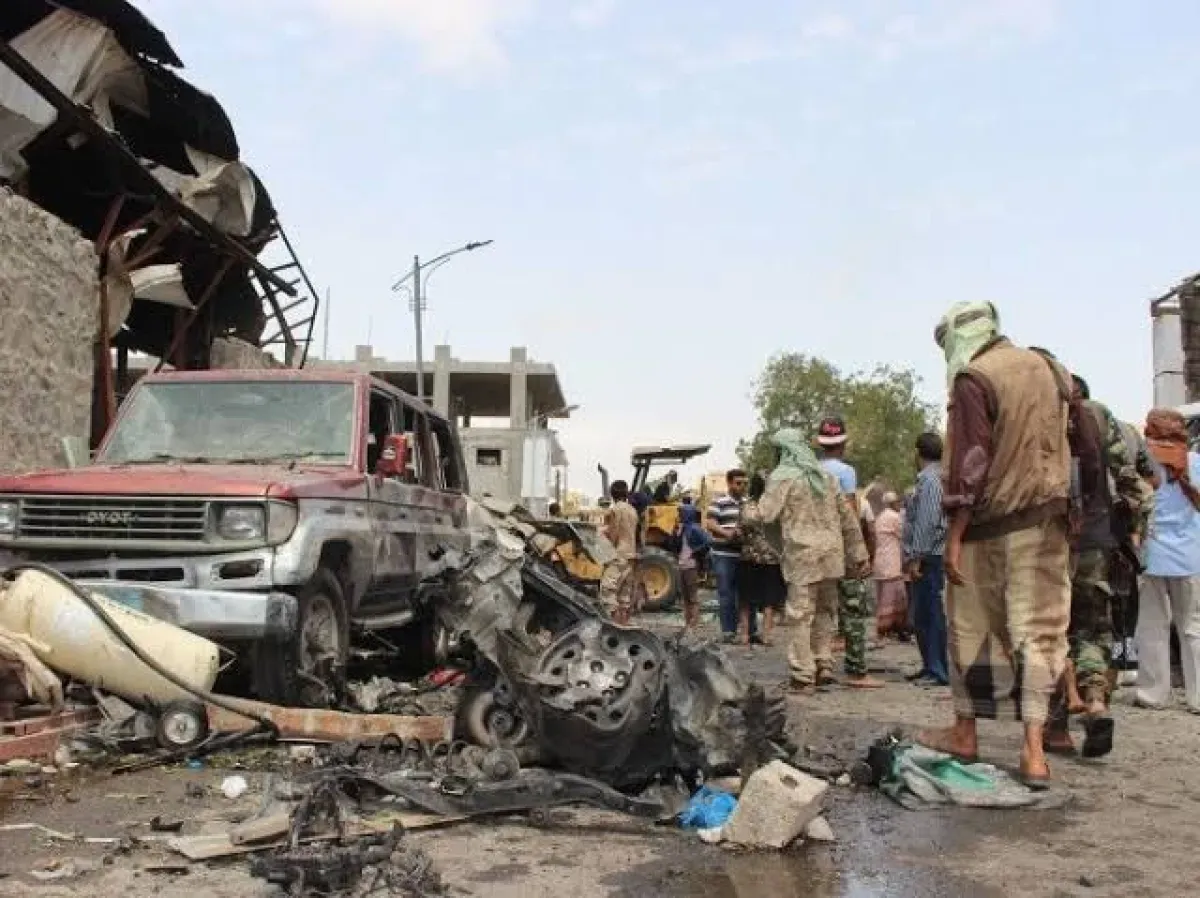
Yemen is experiencing a resurgence of assassinations, sparking significant security concerns as a wave of targeted killings impacts military, security, and civilian figures across several governorates. The escalating incidents raise critical questions about the capacity of security agencies to protect targeted individuals and identify the perpetrators behind these operations. Statistical data tracking the period from January to August 2026 reveals a total of 11 assassination attempts and successful killings. Of these, 8 resulted in fatalities, while 3 attempts were unsuccessful, indicating a success rate of approximately 72% for the perpetrators. Observers note that the high success rate of these operations, coupled with the diverse methods employed and the wide geographical spread of the incidents, constitutes a deeply concerning security indicator, particularly if this pattern persists in the coming months. According to the data, Taiz and Aden recorded the highest number of assassinations and targeted attacks, followed by Hadramaut with two incidents, and Abyan, Shabwah, and Saada each with one operation. The variety of targets, including military and security leaders, government officials, educators, and media professionals, amplifies the level of fear. Observers emphasize that these assassinations do not appear confined to direct military conflict but extend to civilian and political figures, potentially fostering an atmosphere of apprehension and undermining public trust in institutional capacity to ensure safety. The methods used by perpetrators also highlight a sophisticated level of planning and execution. Explosive devices and car bombs were employed in five operations, direct gunfire in four, and drone attacks in two. The morning hours saw 7 operations, compared to 4 in the evening. The most pressing question remains: who is behind these operations? While some investigations have implicated the Houthi militia in orchestrating assassinations or operating cells in various regions, other incidents point towards local factions and networks involved in political and security disputes. Observers urge authorities to disclose investigation outcomes, identify perpetrators and their backers, and avoid allowing these cases to remain subject to speculation and mutual accusations. The recurrent nature of these attacks prompts public inquiry into the security forces' ability to prevent or solve them. Experts argue that the issue extends beyond prevention to the capability of apprehending planners, financiers, and executors, as a lack of accountability encourages further criminal activity. They stress that assassinations should trigger comprehensive security and judicial processes, not just condemnatory statements, warning that prolonged ambiguity erodes confidence in security institutions and may foster a sense of impunity, potentially leading to more crimes. Analysts caution that the continuation of this trend could plunge Yemen back into an era where assassinations were a tool of political and security conflict. The danger lies not only in the number of incidents but also in their potential normalization as part of the daily landscape. They call for treating assassinations as a national security issue, demanding transparent investigations, public disclosure of findings, identification and prosecution of responsible parties, and the dismantling of networks involved in planning, financing, and execution. |