


Yemen on Brink: Houthi Rebellion Faces Tribal Uprising, Regional Threats
|
2 hours ago
A-
A+
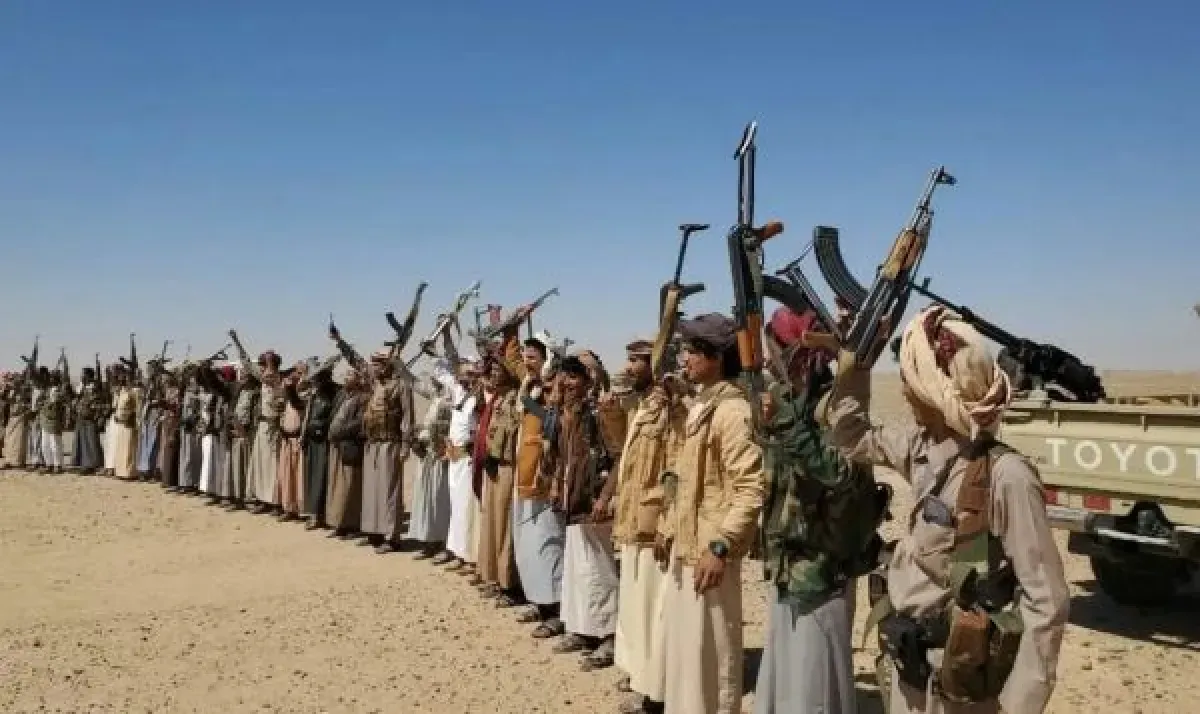
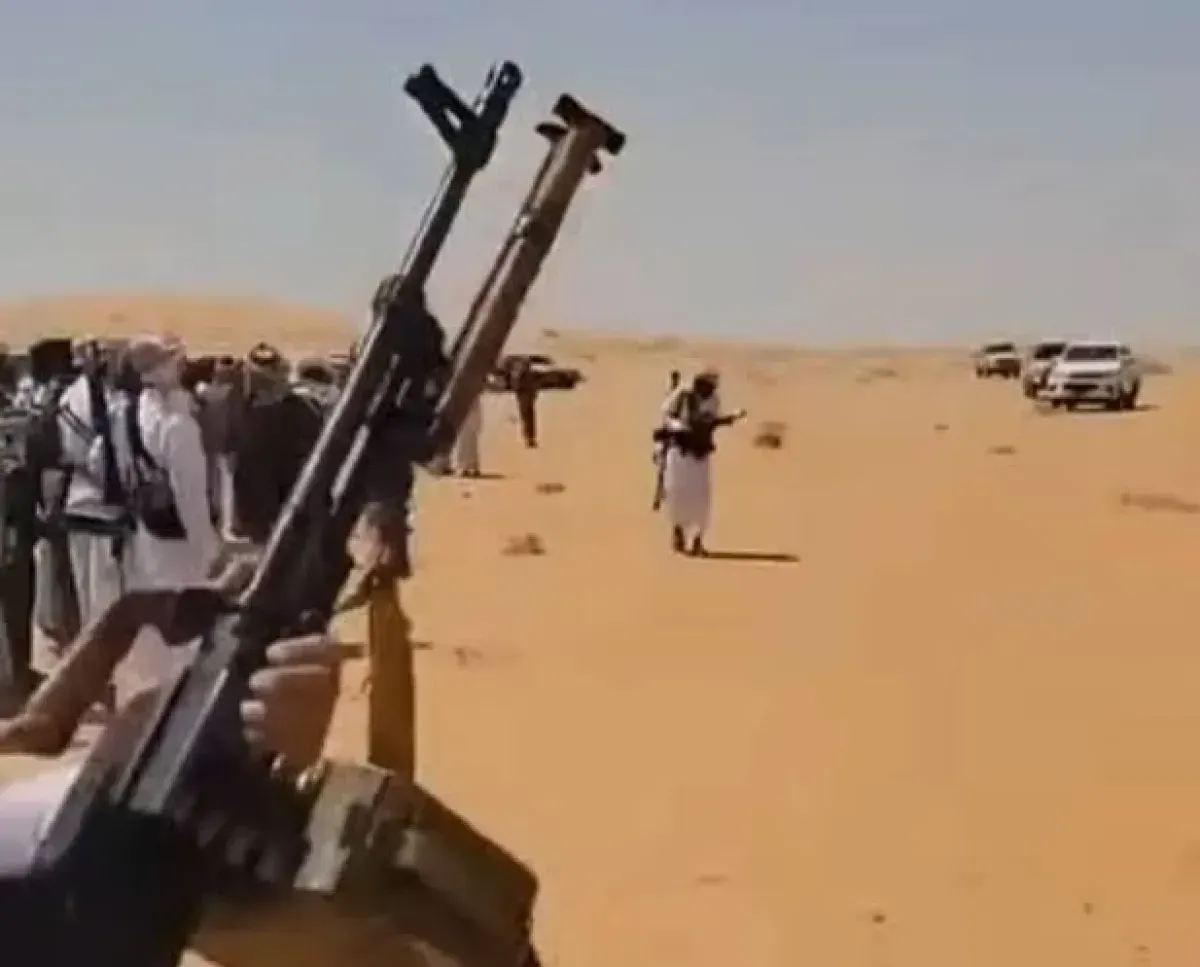
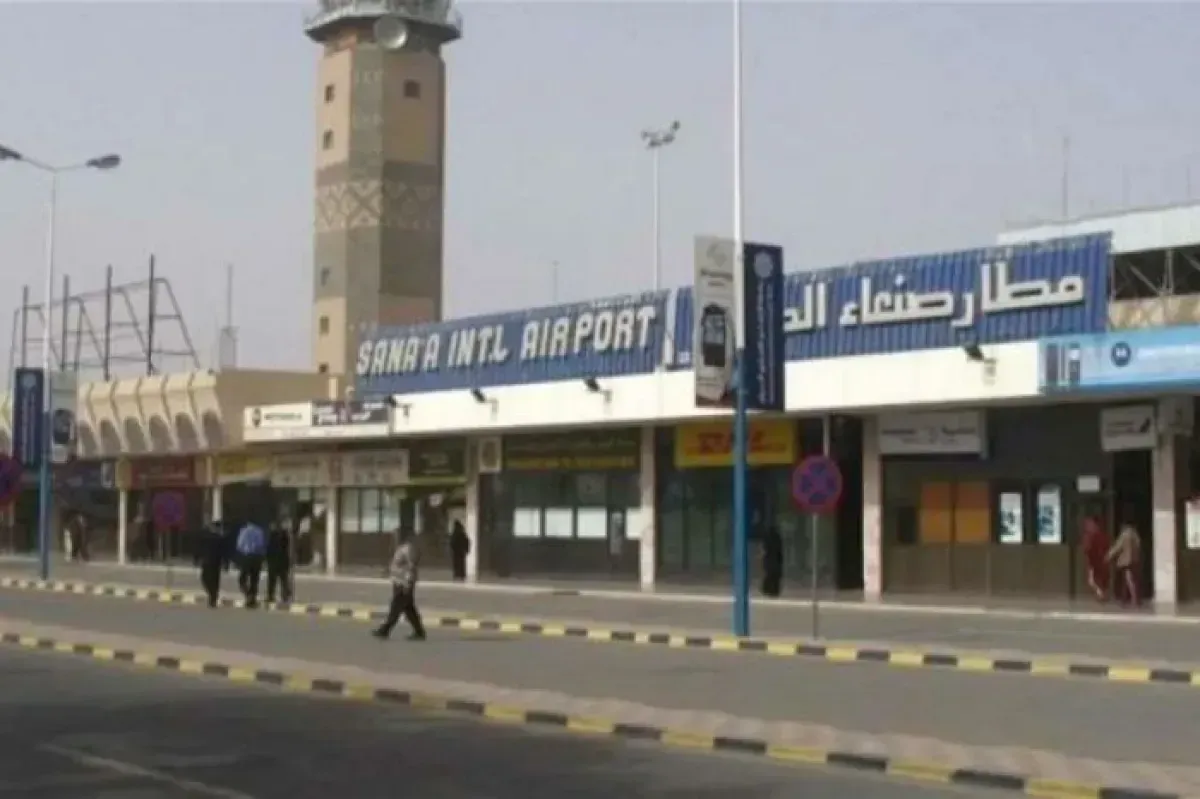
Yemen stands at a critical juncture, teetering on the edge of a severe military and economic escalation, the most intense since the fragile 2022 truce. The Yemeni conflict has transcended its local origins, evolving into an open front characterized by the looming threat of an internal Houthi collapse, a widespread tribal uprising in the east, the legitimate government's push for economic sovereignty, and Saudi-led coalition warnings of an unprecedented response, all amidst a muted international community focused on managing rather than resolving the crisis. The Houthi militia in Sana'a and its controlled territories is experiencing an undeclared state of emergency and heightened security, fueled by profound anxiety over potential public unrest. Crippling economic isolation, unpaid salaries, and deteriorating essential services have placed the militia in direct confrontation with a populace weary of exclusionary policies and incessant taxation. To preempt any uprising, the militia has resorted to proactive suppression through extensive arbitrary arrests, targeting political leaders, activists, and even UN and international humanitarian aid workers. The Houthis' recent escalation in the Red Sea and the Gulf of Aden is a clear attempt to externalize their internal crises and evade peace obligations and the responsibility to address the citizens' basic needs. By promoting national mobilization and using transnational slogans, the militia seeks to fabricate an external enemy to justify its ongoing military buildup and mask its profound administrative and economic failures in the areas under its control. The legitimate Yemeni government has repeatedly asserted that the militia's actions are designed to mislead the public and conceal the erosion of its on-the-ground legitimacy. On the opposing side of the frontlines, the Houthi militia faces an unprecedented structural challenge: an armed societal uprising led by Yemeni tribes, historically the custodians of national identity and staunch opponents of forced sectarianism. This uprising is vividly manifesting in the "Matareh Al-Karama" (Dignity Camps) in the Al-Jawf Governorate, where thousands of fighters from the Dahm, Murads (Marib), Hamam Al-Awaleq (Shabwah), Abyan, Hadramawt, Taiz, Hodeidah, and Dhaleh tribes, and even those from the Sana'a periphery, Al-Mahwit, and Dhamar, have gathered in response to a tribal call to support the abducted woman "Meera" and resist Houthi arrogance. Current field intelligence indicates that the Al-Rayyan camps host approximately 8,000 tribal fighters armed with medium and heavy weaponry, who have declared an end to negotiations with the Houthi militia and rejected all mediation attempts by the Houthi-appointed governor of Al-Jawf. Faced with this cross-geographical tribal solidarity, the Houthi militia has resorted to its typical tactics: cutting off communication networks to Al-Jawf to isolate the tribes, and intensifying military checkpoints to prevent delegations. Simultaneously, bloody armed clashes erupted in the provincial capital, Al-Hazm, between members of the Hamdan tribe and the militia. Observers believe this tribal mobilization poses an existential threat to the Houthis, potentially shattering the militia's prestige and linking the Al-Jawf crisis with the active fronts in Marib and Safer, which could ignite a comprehensive and open ground war in eastern Yemen. In parallel, the legitimate Yemeni government and the Presidential Leadership Council have significantly escalated their military and political rhetoric, fully aware that the current truce no longer serves the interests of the coup party. Consequently, President Dr. Rashad Al-Alimi and Council member Abdul Rahman Al-Muharrami issued decisive directives to all military units and fronts to elevate combat readiness to its highest levels and maintain constant preparedness to counter any potential ground escalation. The legitimate government, under Prime Minister Shayea Mohsen Al-Zindani, has pursued a dual strategy: an economic track involving the activation of sovereign instruments and strict banking regulations to dismantle Houthi dominance over the banking sector, dry up their funding sources, and reject the militia's ongoing violations of sovereignty; and a military and field track focused on reorganizing internal ranks and repelling Houthi suicide attacks. The most recent was a fierce assault on Jabal Dabass in the Hays district of the Western Coast, where Joint Forces (14th Infantry Brigade and the Second Zaranikh) engaged in a close-quarters battle lasting five hours, repelling the Houthis with over 50 casualties, while 15 government soldiers were martyred. The government asserts that the Houthis' continuous infiltration attempts on the Taiz (Al-Dababat) and North Dhaleh (Al-Ghleeq) fronts reflect a deliberate intention to completely abandon the truce. The regional stance, particularly that of the Kingdom of Saudi Arabia and the coalition forces supporting legitimacy, has entered a decisive and firm phase. The coalition has vowed to strike the Houthi militia with "unprecedented force and unwavering resolve" in response to direct Houthi threats to target vital installations and airports within the Kingdom. Coalition spokesperson Major General Turki Al-Maliki stated that these hollow threats are merely a desperate attempt by the Houthis to export their crippling economic crises and conceal the escalating societal and tribal rejection of their sectarian ideology. This firm Saudi warning followed a dangerous and unprecedented Iranian aerial breach of Yemeni sovereignty, involving a direct flight by the Iranian Revolutionary Guard to the Houthi-controlled Sana'a airport—a move considered by Riyadh and the legitimate government a blatant violation of UN resolutions and a direct challenge to the rules of engagement. Saudi Arabia is no longer relying solely on traditional diplomacy; it has intensified its surveillance of Yemeni airspace, emphasizing that the Kingdom's security and regional stability are red lines, while continuing to provide financial and developmental support to the Presidential Leadership Council to ensure service stability in liberated governorates and prevent the complete collapse of the state's economic backbone. In stark contrast to this local and regional ferment, the international community appears immersed in a muted silence and a deficient approach that proves its inadequacy daily. International military coalitions, such as Operation Prosperity Guardian, or limited US-UK strikes, have failed to paralyze Houthi military capabilities or deter them from threatening international shipping lanes in the southern Red Sea and the Bab al-Mandab Strait. Yemeni leadership has repeatedly criticized this international stance, despite the Presidential Leadership Council's calls in UN forums for a transition from "condemnation statements" to deterrent and practical measures targeting the sources of Iranian arms supplies and imposing stringent sanctions. The international community, represented by the United States and the United Nations, prioritizes the security of navigation and the protection of global oil flows, while coolly managing the humanitarian and internal crisis in Yemen, content with issuing warnings about the escalating famine threatening millions of Yemenis. This impotent international behavior, coupled with a refusal to offer financial concessions to the Houthis without genuine commitment and engagement in the peace process, has left the Yemeni file suspended in a dangerous gray zone, where political solutions have been supplanted by the language of arms and mobilization. This analysis leads to one stark reality: Yemen is neither at peace nor engaged in conventional warfare, but rather undergoing a military and political birthing process that is the most complex in a decade. All field and political indicators confirm that the safety valves have completely eroded. The Houthi militia is cornered by internal failure and tribal mobilization in Al-Jawf and Marib, finding war its only option for survival. The legitimate government, with the support of the Arab Coalition, has recognized the danger of procrastination and has escalated its combat and economic readiness to the utmost degree. Meanwhile, direct Iranian intervention through the Revolutionary Guard in Yemeni airspace has imposed a new regional equation demanding a decisive response. Yemen now faces two inevitable scenarios: either an explosion of a comprehensive and violent land and sea confrontation, where tribes and the National Army combine to break the Houthi coup with direct regional support, or the country remains trapped in a devastating cycle of economic and humanitarian exhaustion, borne by the Yemeni citizen, while the international community watches from afar, leaving the Yemeni geography to determine its own fate amidst the muzzles of guns and the deserts of confrontation. |