


Yemen Border Regions Face Rising Crime Amid Alleged Houthi Complicity
|
2 hours ago
A-
A+
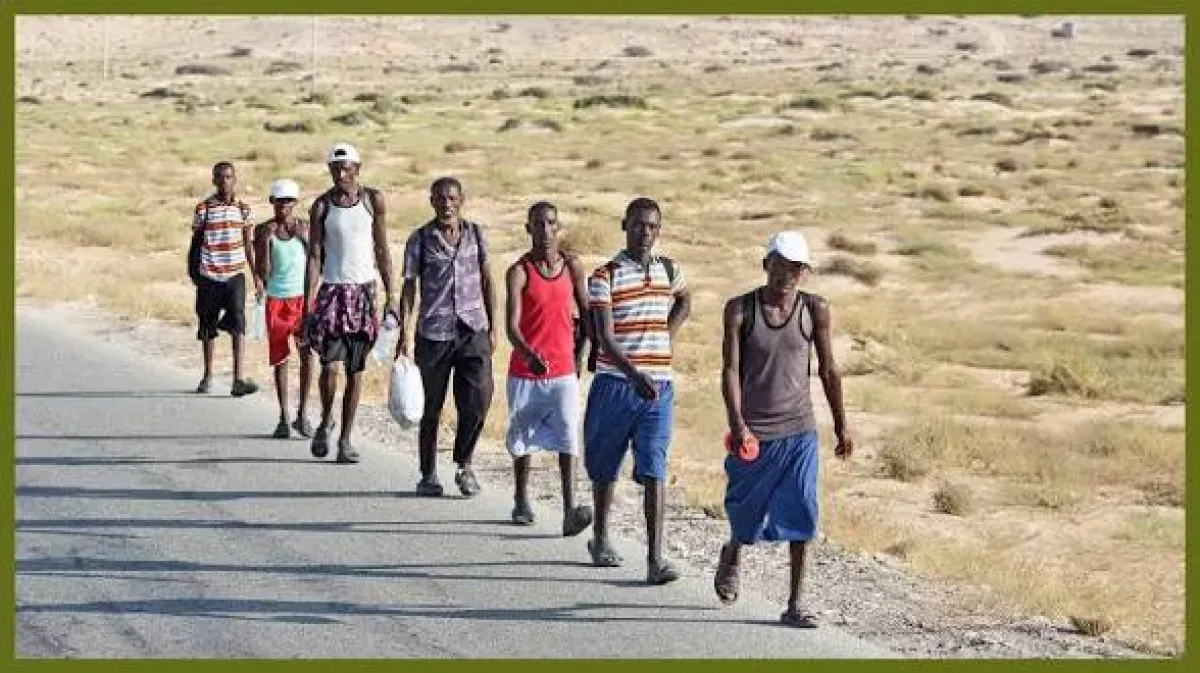
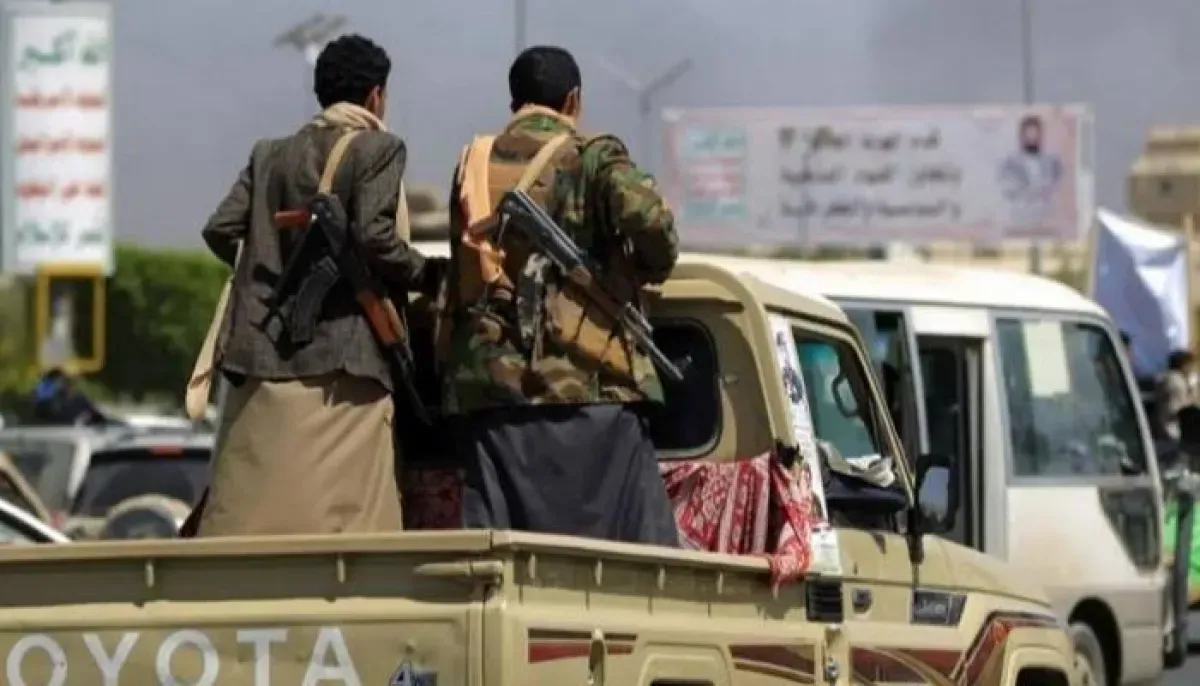
Growing public and human rights outcry has resurfaced in several Yemeni border regions due to escalating crimes and abuses attributed to irregular migrants from the Horn of Africa. Recent days have seen widespread reports and condemnations on social media platforms and activist forums documenting horrific killings and robberies of Yemeni citizens by groups of these migrants. This dangerous escalation has refocused attention on security disruption schemes, with direct accusations leveled against the Houthi militia for complicity and deliberate silence, suggesting the group manipulates this issue for its military and financial agendas at the expense of citizens' lives and peace. Disturbing security developments have unfolded in the border districts of Saada and Hajjah governorates, where activists and local sources reported a series of armed assaults, robberies, and ambushes carried out by African migrant gangs against local residents and travelers. These incidents have moved beyond individual disputes or petty theft to cold-blooded murders for direct plunder. Yemeni activists have shared tragic accounts of farmers and travelers being stabbed and violently assaulted by African groups operating freely in border villages and farmlands, resulting in fatalities and severe injuries among citizens. These events have triggered a wave of public condemnation, with residents demanding an immediate halt to the massive influx of migrants, which they claim threatens internal security and transforms their communities into open arenas for organized crime. The number of African migrants in Yemen is reportedly increasing at an unprecedented rate, with thousands arriving monthly via Yemeni coastlines and utilizing Houthi-controlled areas as transit routes to the northern borders. Observers and activists warn that the continuation of this high-intensity flow, without any oversight or regulation, poses a ticking time bomb that could explode and shatter the remaining social fabric of Yemeni society. The danger extends beyond immediate security concerns to impose a significant economic and health burden on regions already suffering from collapsed basic services and scarcity of water and food resources due to the ongoing conflict. The concentration of thousands of migrants in informal camps or their wandering in border valleys and farmlands creates fertile ground for the spread of epidemics and the formation of lawless armed gangs, explaining the growing distress calls from residents of these areas seeking to protect their villages and property from ongoing encroachment and looting. The Houthi militia's conspicuous silence and blatant complicity in these crimes raise major questions among Yemenis. Political analyses and human rights reports suggest the militia is not merely turning a blind eye but is leveraging this situation for strategic trade and multifaceted military gains. Smuggling networks and financial profiteering are primary motivations, with high-ranking Houthi leaders reportedly managing organized human smuggling networks that generate millions of dollars annually. The militia imposes hefty financial tolls on each African migrant for passage through checkpoints and access to border areas, effectively turning this illicit business into a major source of funding for their war effort and enriching its leaders. In addition to financial benefits, the militia allegedly resorts to forced conscription to compensate for severe personnel losses resulting from fighter attrition on battlefronts and the reluctance of Yemeni tribes to send their sons to their deaths. Migrants are reportedly detained in special camps and given a choice between imprisonment, deportation, or undergoing Houthi ideological and military training before being sent to front lines as mercenaries. Those who refuse direct combat are allegedly exploited for military labor and logistical support, forced to dig trenches, build fortifications, and transport weapons and supplies through treacherous terrain on the front lines, exposing them to danger without any ethical or legal commitment from the militia. This policy is further compounded by using the migrant issue as a clear political and security pressure card against neighboring countries, particularly Saudi Arabia. By facilitating the assembly of thousands of Africans on the border and encouraging them to cross, the militia reportedly seeks to disrupt border security and use this situation as a bargaining chip to achieve additional political and economic concessions. In the face of this blatant Houthi complicity, tensions have intensified among tribes and citizens in border areas. Yemeni activists have launched widespread campaigns under hashtags condemning the Houthi silence, holding the militia fully responsible for any bloodshed or property theft in these regions. Local voices are increasingly calling for the formation of popular and tribal committees to protect villages, farms, and secure roads, as residents have become convinced that the Houthi militia views these migrants as strategic allies and sources of funds and soldiers, while considering Yemeni citizens mere victims of its erratic policies. The continued systematic complicity of the Houthis with the crimes of African border networks not only threatens social peace but also places Yemen at a complex demographic and security juncture that may prove difficult to control in the future. |