


Houthi Crackdown in Ibb: Photography Labeled Criminal, Joy Targeted
|
7 hours ago
A-
A+
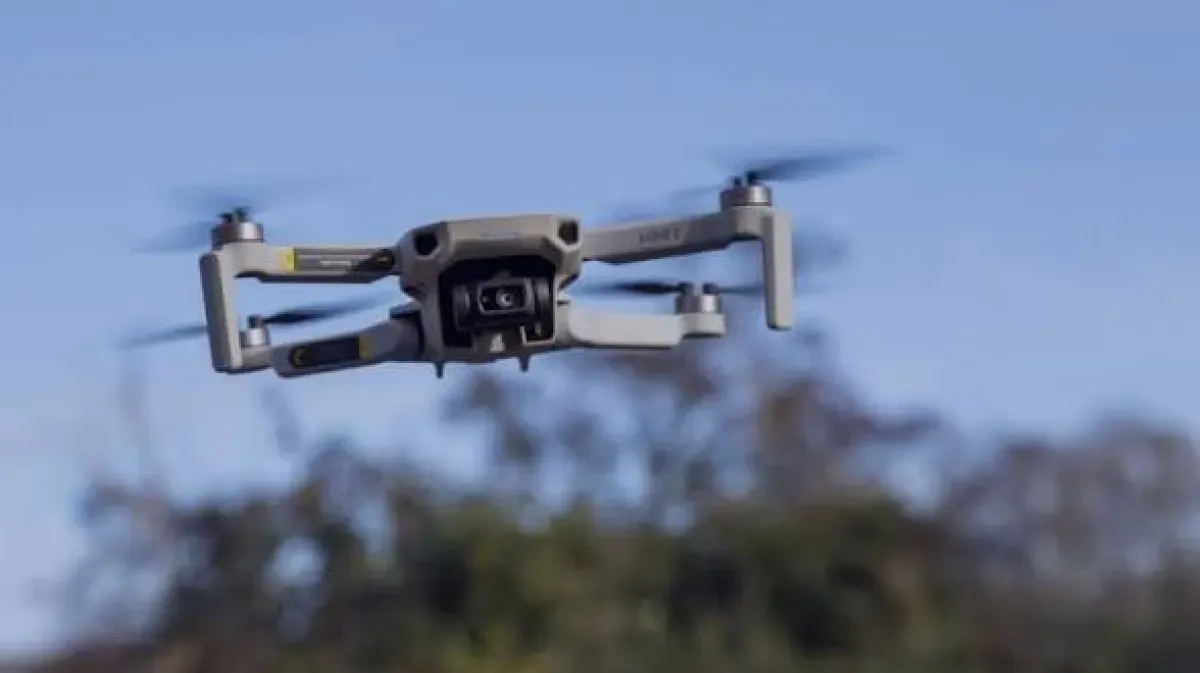
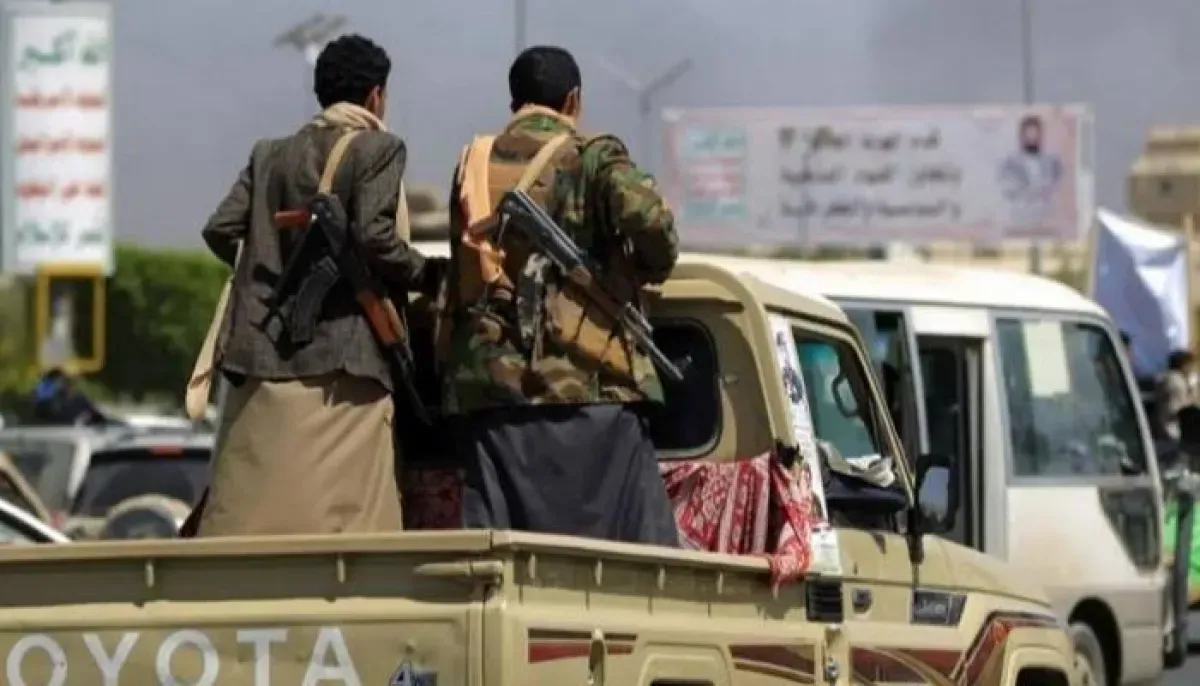
The Houthi militia's security forces in Ibb Governorate, Yemen, are implementing an unprecedented crackdown on photography and media documentation, transforming the historically scenic region into a hostile environment for content creators and photographers. The repression now extends beyond political activists and journalists to include photographers covering weddings and graduation ceremonies, signaling a dangerous intent to isolate the governorate and suppress public life. A palpable wave of resentment is growing among photographers in Ibb, who find themselves caught between the necessity of earning a livelihood and the brutality of security crackdowns. Dozens of professionals have expressed extreme distress over escalating Houthi restrictions, which have effectively criminalized carrying a camera, leading to arbitrary arrests and detention. Local photographers in Ibb describe a daily atmosphere of fear. One photographer lamented, "Where can we go from this situation? I swear to God, we work in constant anxiety and fear." He noted that photography has become less a source of income and more a direct path to abduction and abuse. The Houthi administration's restrictive measures initially targeted academic celebrations, such as graduation ceremonies, under flimsy pretexts like preserving "Imani identity" or citing a lack of permits. Despite photographers' attempts to comply with these harsh rules, the militia's oppressive actions have expanded to disrupt and obstruct wedding parties and private family events. Field testimonies indicate that the militia has recently begun detaining any photographer using small unmanned aerial vehicles (drones), which have become integral to documenting celebratory occasions. One affected photographer expressed outrage, stating, "They disrupt weddings and imprison photographers simply for using a drone to film the event! This is utter madness. Even non-believers do not treat each other this way; they have surpassed all moral and societal boundaries." Direct accusations point to Houthi leader "Abu Ali Al-Kahlani," appointed by the militia as the Director of Security for Ibb Governorate. Informed sources confirm Al-Kahlani is the primary architect of this repressive campaign, issuing strict directives to all security checkpoints, police stations, and traffic departments to pursue and apprehend anyone carrying a camera or filming within the city and its outskirts. Traffic police in Ibb, under Al-Kahlani's orders, have become instruments of surveillance, intercepting photographers en route to events and escorting them to detention centers without legal justification. Observers believe the involvement of high-ranking militia leadership in this campaign demonstrates a systematic policy aimed at eliminating independent sources of income and subjecting all civilian activities to pervasive security surveillance. The repercussions of this Houthi campaign are not limited to events and weddings; they have severely impacted sports media, humanitarian documentation, and tourism photography. Sports photographers covering local tournaments and popular matches are now unable to perform their duties for fear of equipment confiscation or physical and verbal assault by Houthi supervisors. This stringent crackdown has also led several prominent photographers and artists in Ibb to abandon their profession, choosing instead to sell their equipment and remain home rather than face humiliation in militia detention facilities. Local media professionals assert that the suppression of sports and tourism photographers is a deliberate attempt by the Houthis to impose a singular, grim narrative aligned with their sectarian agenda, preventing any depiction of normal life or the civil diversity that has characterized Ibb Governorate for decades. In light of this dire situation, activists and human rights defenders in Ibb Governorate have issued urgent appeals to the Yemeni Journalists Syndicate, the International Federation of Journalists, and relevant UN human rights organizations, calling for immediate intervention, condemnation, and pressure on the militia to cease security tensions and the persecution of content creators. Human rights advocates emphasize that depriving hundreds of young people of their sole source of livelihood amid collapsing economic conditions constitutes a crime of collective punishment, pushing entire families toward poverty and starvation. One photographer who remains in the profession encapsulates the ongoing suffering of his colleagues: "God is my witness, we photographers in Ibb Governorate face immense hardship in our work and our livelihood. We now struggle for a basic meal as if we are committing a crime." This statement alludes to the ever-expanding list of Houthi violations, occurring amidst continued local and international human rights silence and disregard for the realities unfolding behind the walls of fear in the occupied tourism capital of Yemen. |