


Iran's Oil Exports Decline Amid US Pressure and Shifting Chinese Priorities
|
10 hours ago
A-
A+
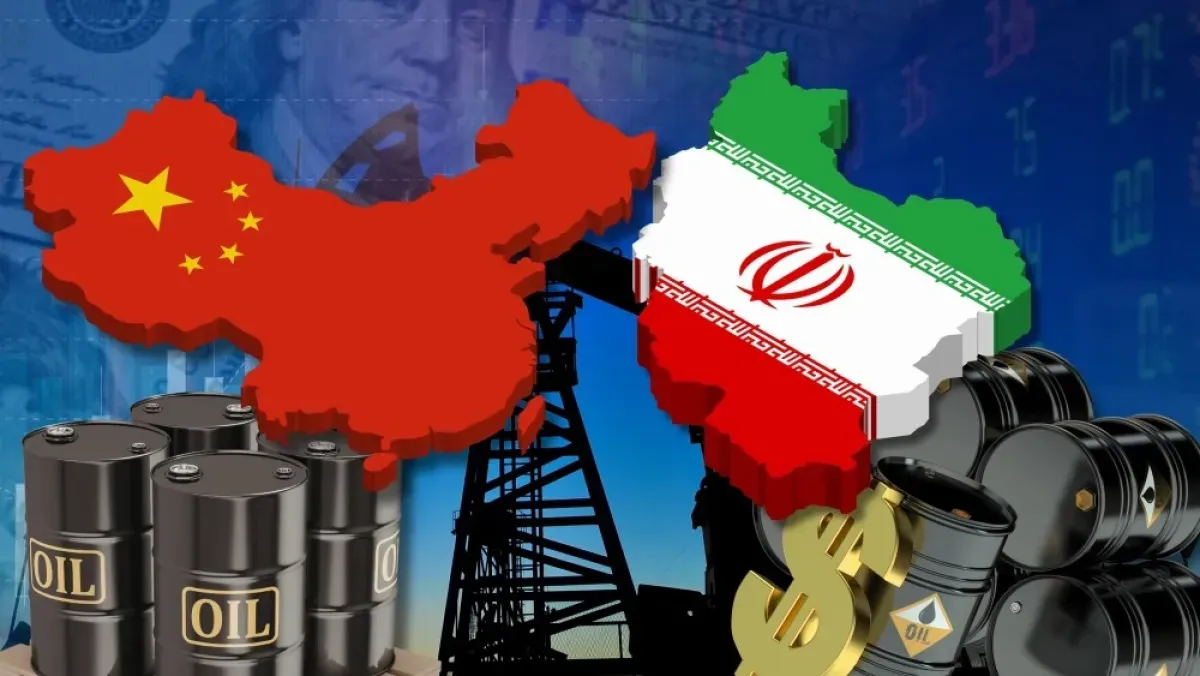
Iran's oil sector is grappling with a significant crisis characterized by a sharp decline in crude exports to China, exacerbated by increased US naval pressure and dwindling floating storage reserves that Tehran relied upon to maintain export flows. A recent analytical report from the Middle East Forum, authored by energy and Iranian economy specialist Dalga Khatinoglu, indicates that Iranian oil shipments through regional waters have nearly ceased over the past six weeks. Concurrently, China, Iran's primary oil importer, has been accelerating its reduction in purchases. Data from a specialized energy and commodities market tracking firm reveals that China's imports of Iranian oil in May 2026 fell by 25 percent compared to April and approximately 38 percent compared to March. This trend signifies a decline in demand and increasing supply challenges. The report clarifies that Chinese refineries continue to import slightly over one million barrels per day of Iranian oil. However, a substantial portion of these supplies originates from floating storage aboard tankers near China, Malaysia, and Singapore, rather than direct shipments from Iranian ports. These floating reserves have seen a significant reduction of about 33 million barrels since the commencement of US naval operations against Tehran, now standing at approximately 89 million barrels. A prominent energy market analyst quoted in the report warns that sustained naval pressure could deplete Iran's available oil reserves for supplying China within two to two-and-a-half months. The Iranian economy is heavily dependent on oil revenues, with the Organization of the Petroleum Exporting Countries (OPEC) data showing Iran exported nearly two million barrels per day of crude, condensates, and refined products last year. Iranian Central Bank data further indicates that oil revenues constituted about 65 percent of the country's total exports. Simultaneously, Iranian oil production is noticeably declining. According to OPEC figures, Iran's crude output in April 2026 decreased by approximately 350,000 barrels per day compared to levels preceding late February's US and Israeli operations against Iran, bringing production down to about 2.85 million barrels per day. Tehran faces mounting pressure on its export infrastructure, with shipping data showing a drop in oil loading operations at Iranian ports to around 640,000 barrels per day this month. This is occurring as tankers anchored near Iranian waters approach their maximum storage capacity, and onshore storage facilities are also full. The report posits that if this situation persists, Iran might be compelled to gradually reduce its production to levels close to domestic consumption, which stands at approximately 1.7 million barrels per day. This could represent one of the most significant declines in Iranian oil production since the re-imposition of US sanctions during the Trump administration. The impact of reduced Chinese demand for Iranian oil is not isolated. Chinese refineries have broadly lowered their crude imports in recent months, influenced by rising global prices and a slowdown in industrial activity, leading to a roughly 20 percent reduction in China's total oil imports in March and April compared to previous periods. Russian oil exports to the Chinese market have also been affected, with Chinese customs data showing an 11 percent decrease in crude imports from Russia last month, reaching about 2.2 million barrels per day. Disruptions have extended to trade between China and Arab Gulf countries, as Chinese exports to the region halved in March and April compared to a monthly average of $13-14 billion. Non-oil trade between Iran and China has experienced an even sharper decline, with trade volume decreasing by approximately 70 percent during the same period, settling at only around $200 million per month. In contrast, Chinese trade data indicates significant growth in trade with Israel, despite regional tensions. According to the report, Chinese trade with Israel last month was approximately 13 times the volume of its non-oil trade with Iran. China's imports from Israel increased by 62 percent in the first four months of this year to about $5.5 billion, while Chinese exports to Israel rose by 4 percent. These indicators, the report suggests, reflect a growing shift in Beijing's economic priorities in the region. At the same time, Sino-Iranian commercial relations are under escalating pressure due to geopolitical tensions, sanctions, and a downturn in global energy markets. |