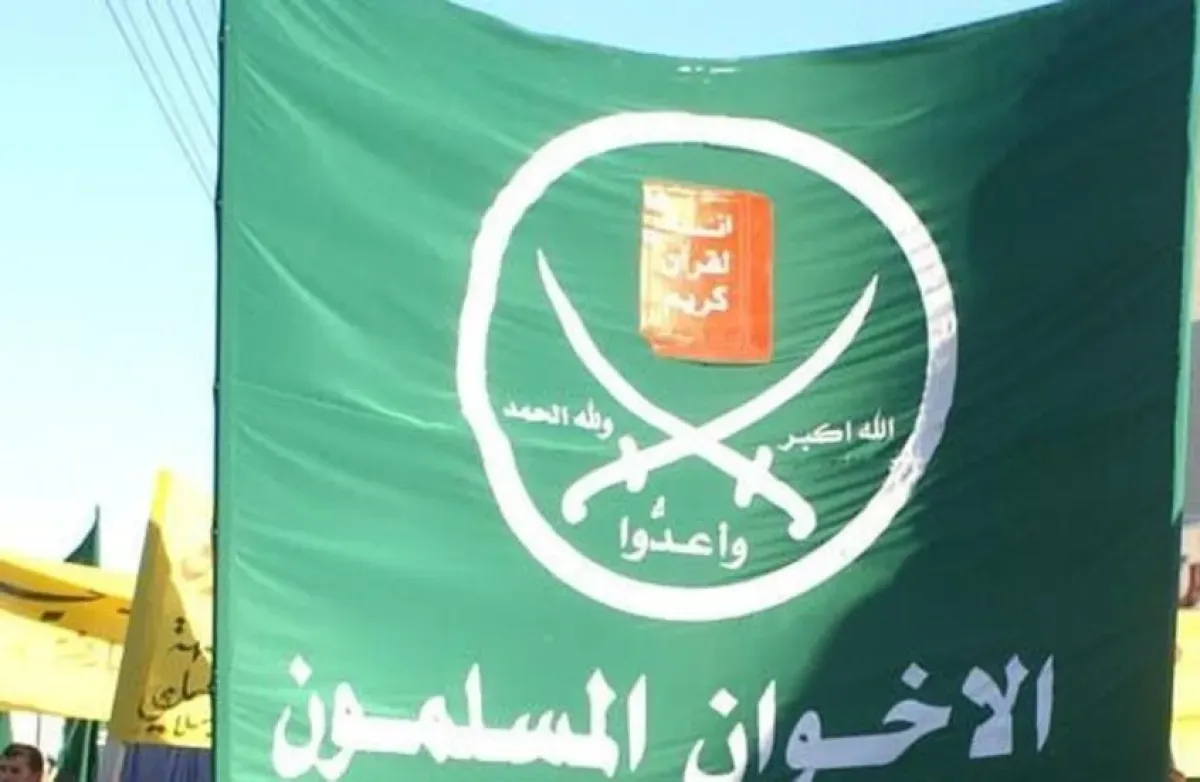



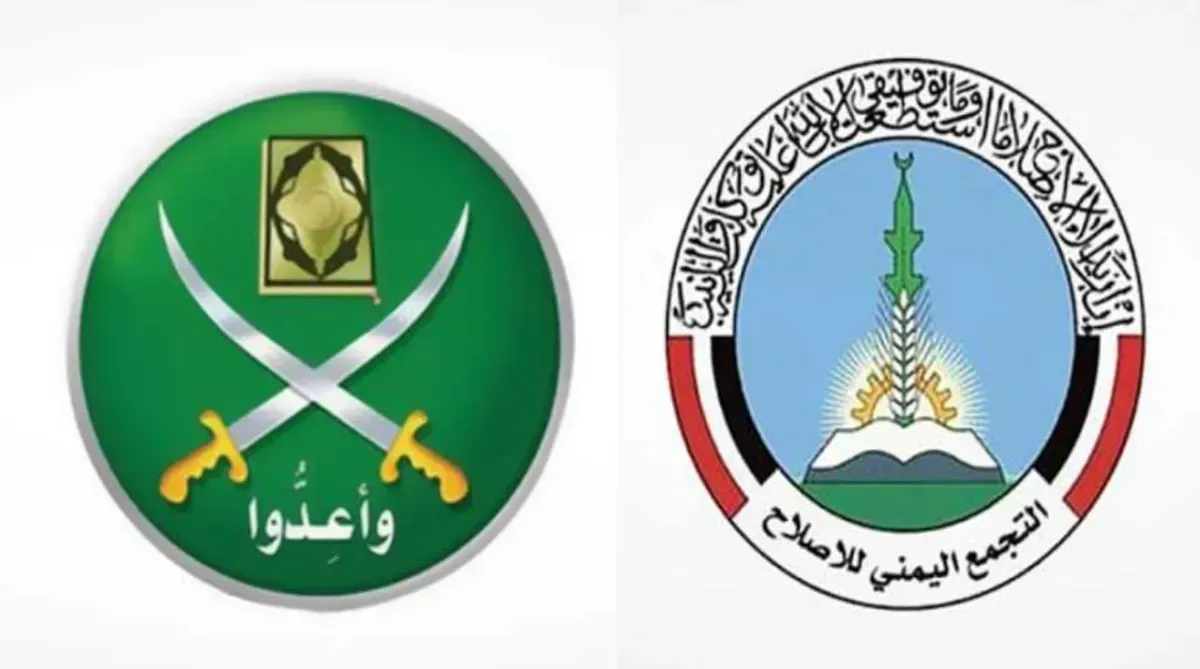
The Yemeni political and military landscape over the past two decades has revealed controversial links between the media discourse of the Yemeni Congregation for Reform (Islah Party), the Yemeni branch of the Muslim Brotherhood, and the gradual ascent of the Houthi militia. Historical events and documents suggest the Islah Party's media apparatus played a pivotal role in paving the way for Houthi expansion, from the six wars in Saada to the fall of Sanaa in 2014. The initial stages of employing Islah media in favor of the Houthi agenda began with the first war in Saada Governorate in 2004. Under the umbrella of the "Joint Meeting Parties" coalition, the Islah Party utilized its media platforms, including Al-Sahwa newspaper and Al-Sahwa Net website, to attack the Yemeni armed forces and distort their operations against the nascent Houthi rebellion. The Islah Party's coverage focused on delegitimizing the state's authority, describing the six wars as futile and retaliatory. This intensive media campaign provided the Houthi militia a crucial opportunity to regroup after each engagement. The Islah discourse evolved into a platform for advocating for the "Saada grievances" and reconstruction, effectively sanitizing the Houthi movement's crimes and presenting it to local and international public opinion as a persecuted faction rather than an armed, sectarian group rebelling against the republic. The events of 2011 marked a critical turning point, allowing the Houthi movement to emerge from the mountains of Saada and integrate into the political and civil scene in Sanaa. Through tents and platforms managed entirely by the Islah Party in Sanaa's squares, Houthi representatives were welcomed and integrated under the guise of peaceful youth revolution. The Islah media employed all its channels to portray the Houthi movement in a new light, emphasizing partnership and civility, while deliberately overlooking its sectarian and armed legacy. The Islah media not only provided platforms for Houthi leaders but also launched organized campaigns to dismantle state security and military institutions and tarnish the reputations of republican military leaders who fought in the Saada wars. This created a significant vacuum in the Yemeni army's structure under the guise of restructuring and purging, a strategic gap later exploited by the Houthi militia to seize the capital. Minutes, documents, and verified reports from 2013 and 2014 reveal the extent of the media and political complicity orchestrated by the Muslim Brotherhood organization to facilitate the fall of northern provinces to the Houthis. During the siege and invasion of Amran Governorate, the fall of the 310th Armored Brigade, and the martyrdom of Brigadier General Hamid Al-Qushaibi, Islah media adopted a language of de-escalation and neutrality, portraying the battle as a tribal conflict between Houthis and Hashid tribes or a private confrontation of the Al-Ahmar family. This misled public opinion about the true danger threatening the republican system. Following the signing of the "Peace and Partnership Agreement" and direct dialogues between Islah leaders and Abdul-Malik Al-Houthi in Saada, with significant support from Qatar-based Al Jazeera, Islah-affiliated channels like Yemen Shabab and Suhail adopted a conciliatory media discourse, advocating coexistence with the rising power and avoiding describing the events as a coup in their early stages. This contributed to numbing the Yemeni public and thwarting any genuine popular or military resistance in Sanaa and its surrounding tribal areas. The media services provided by the Muslim Brotherhood organization to the Houthi project did not cease with the fall of the state; they extended to the period following the launch of Arab Coalition operations and the recapture of vast parts of the country. While full media support was expected for the front lines against the Houthis, the foreign-funded Islah media platforms, such as Belqees, Al-Mahra, and Yemen Shabab channels, diverted their focus to fabricating secondary and peripheral battles. These platforms unleashed their anger and incitement campaigns against active and effective republican forces on the ground. This continuous media incitement and the dredging up of past conflicts have fragmented the republican front and dissipated the efforts of the Presidential Leadership Council. The Houthi militia immediately translates this into battlefield and political gains by isolating front lines and reducing military pressure. The media discourse of the Islah media has conspicuously aligned with the Houthi propaganda machine on numerous strategic and existential issues. This alignment is evident in the sustained attacks on the countries of the Coalition to Support Legitimacy in Yemen, attempting to portray the conflict in Yemen as a struggle against external forces rather than a national war against a brutal sectarian coup. This undeclared coordination was also manifested in the handling of Houthi terrorist attacks on international shipping lanes in the Red Sea and Bab al-Mandab. Media outlets affiliated with the Islah Party have legitimized and endorsed these attacks under the guise of supporting national causes, using the same terminology and justifications promoted by Houthi circles in Sanaa. This exposes the reality of the ideological and political collusion between the two parties at the expense of Yemen's security, stability, and sovereignty. The ultimate outcome of the media policy pursued by the Muslim Brotherhood organization in Yemen directly serves to consolidate the foundations of the Houthi coup authority in the north of the country. By insisting on demonizing forces opposing the Iranian project, spreading rumors to undermine trust in legitimate institutions, and promoting the possibility of understanding and coexistence with the Houthi militia, Islah media engages in continuous, treacherous stabs at the heart of the republican system and the achievements of the September and October revolutions. Daily realities demonstrate that this media collusion is not merely a tactical error or journalistic spontaneity but a systematic strategy aimed at preserving the interests of the party and political organization, even if the cost is enabling Houthi rule over Yemenis and destroying Yemen's identity, Arab heritage, and the future of its coming generations. |