



Yemen's Mental Health Crisis Deepens Amid War and Economic Collapse
|
1 month ago
A-
A+
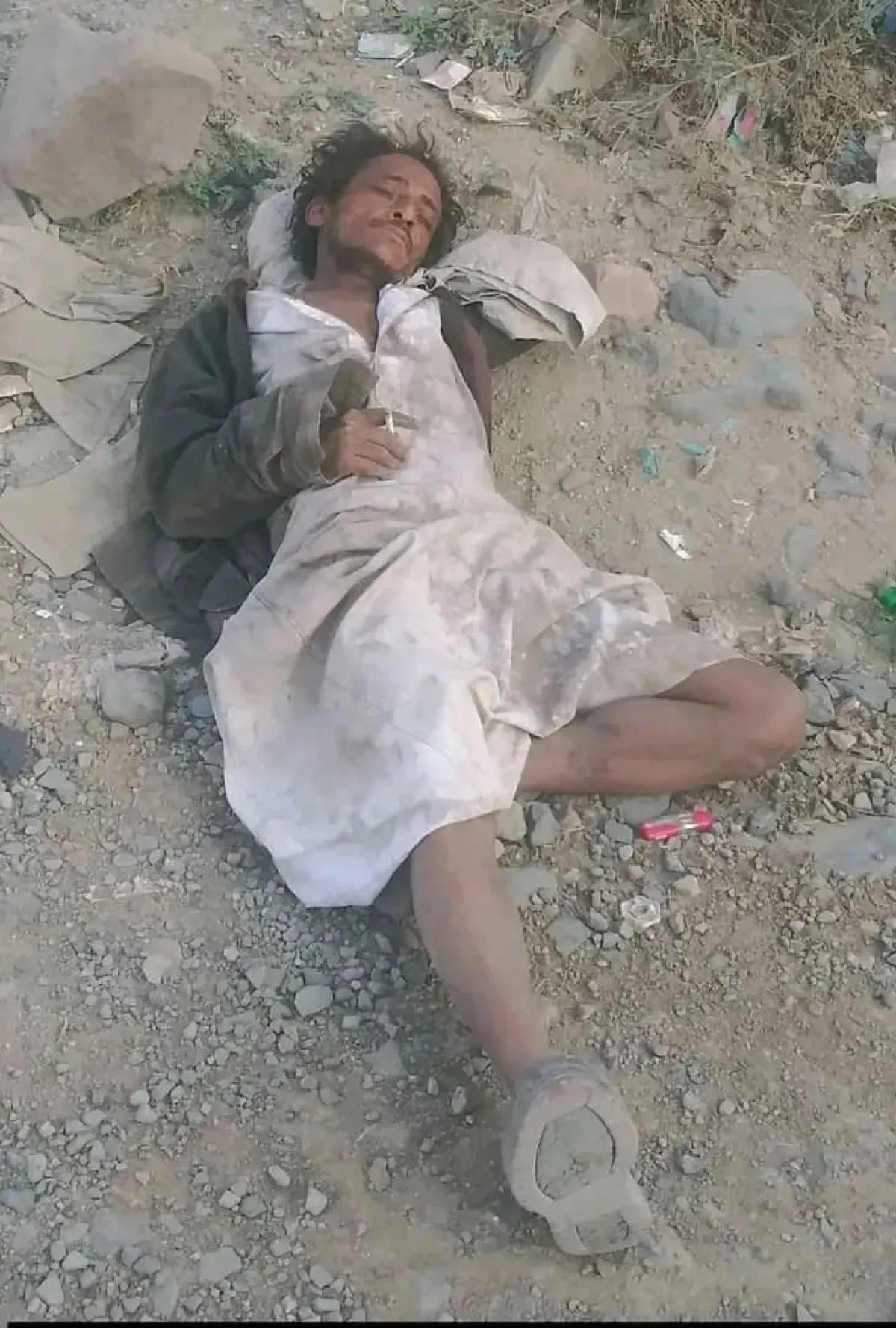
The protracted conflict in Yemen, ongoing since 2014, has severely strained the nation's social fabric, leading to a marked escalation in mental health disorders fueled by relentless violence, displacement, income loss, and the systemic collapse of healthcare infrastructure. The cumulative psychological toll—stemming from bombardment, internal displacement, family disintegration, and persistent insecurity—has created an environment ripe for severe psychological distress. Reports from the World Health Organization consistently indicate that societies enduring prolonged armed conflict experience significant spikes in depression, anxiety disorders, post-traumatic stress disorder, and acute psychotic episodes. In Yemen's critically degraded health system, many treatable mental health issues have advanced into severe psychiatric conditions due to neglect and the absence of regular, early intervention. Scenes of individuals suffering from untreated mental illness wandering the streets in major cities like Sana'a, Aden, and Taiz have become disturbingly common, reflecting a profound humanitarian and psychological crisis. Significantly, a large proportion of those suffering acute mental disturbances are young adults, a demographic crucial for national reconstruction. These individuals face suffocating economic realities, characterized by high unemployment, suspended salaries across vital sectors, currency devaluation, and a near-total lack of sustainable job prospects, leading to widespread feelings of helplessness and despair. The existing psychiatric care infrastructure is overwhelmed. The few remaining public psychiatric hospitals suffer from severe overcrowding, critical shortages of essential medications, and inadequate community follow-up programs. For families unable to afford private care, the lack of specialized shelters for displaced patients means that untreated mental illness often translates directly into homelessness, where malnutrition and exposure exacerbate conditions, severely diminishing recovery prospects. Compounding the service deficit is a persistent societal stigma that views mental illness as a moral failing rather than a medical condition. This perception forces many families to conceal sufferers or delay seeking treatment, allowing conditions to become chronic and dangerous. This cultural barrier actively obstructs early intervention, especially in rural areas where mental health services are virtually nonexistent. Addressing this escalating crisis demands a comprehensive, multi-dimensional strategy. Essential steps include bolstering funding for existing facilities, expanding geographical reach, ensuring consistent medication supply, and training community cadres for rapid identification and intervention. However, medical efforts alone will prove insufficient without concurrent improvements in the economic situation, regular salary disbursement, and the reconstruction of social safety nets to alleviate the underlying pressures driving this deep national trauma. |