


Energy Crisis Unlike 1970s Due to Market Factors, Tech Advances
|
1 hour ago
A-
A+
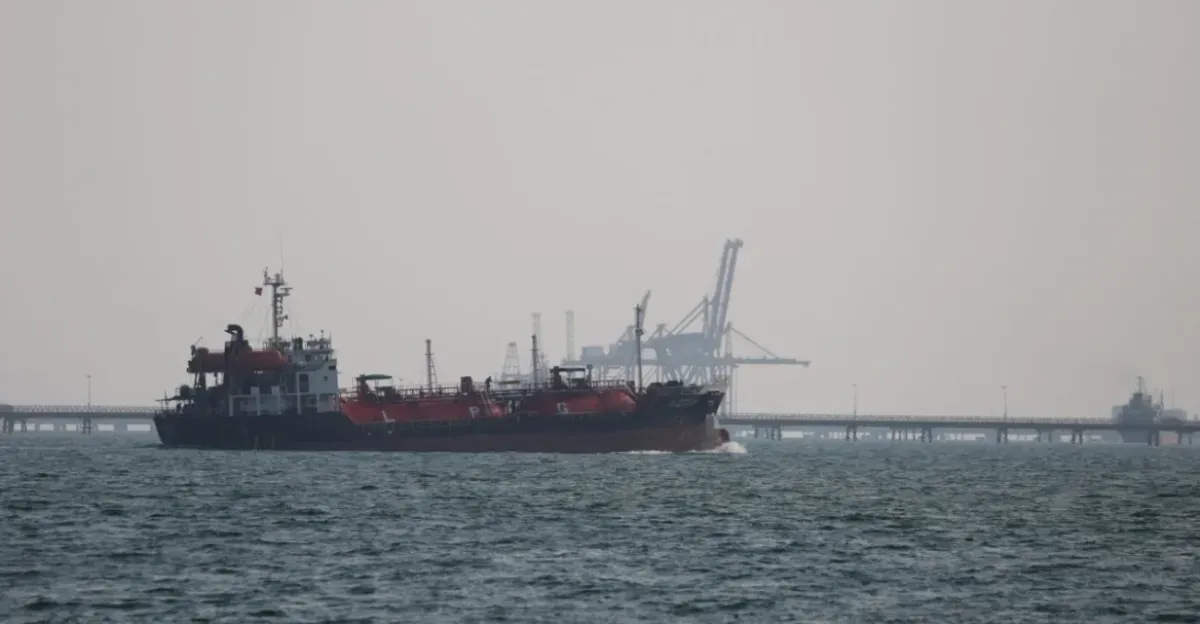
The current energy crisis, exacerbated by geopolitical tensions in the Middle East, is unlikely to trigger the severe global inflation experienced in the 1970s, according to an analysis published by The National Interest. While acknowledging the heightened risks associated with ongoing conflict and the potential disruption of vital shipping lanes like the Strait of Hormuz, the report by Milton Ezrati posits that fundamental differences in market conditions and technological advancements distinguish the present situation from the oil shock of the previous century. The analysis highlights that the 1970s crisis was primarily driven by a perceived scarcity of oil following an OPEC embargo, leading to sustained price expectations that fueled inflation and hampered economic growth. Today, the report argues, several factors mitigate such an outcome. These include significant progress in energy efficiency, the development of advanced extraction technologies, and a diversification of energy sources. Furthermore, substantial energy reserves in North America, with potential access to global markets even if the Strait of Hormuz remains closed, provide a crucial buffer. Moreover, the report suggests that central banks have learned from past mistakes. Unlike the accommodative monetary policies of the 1970s, which amplified inflation through excessive liquidity, current central banking strategies appear more cautious, with interest rate policies aimed at curbing the inflationary impact of energy price hikes on broader economic sectors. Despite these mitigating factors, the analysis underscores that the situation remains fluid. The most optimistic scenario involves an early cessation of hostilities, the restoration of stability, and the reopening of the Strait of Hormuz, potentially leading to a gradual decrease in energy prices. Conversely, a protracted conflict with extensive damage to energy infrastructure could result in long-term supply losses and unprecedented price surges, which alternative supplies might struggle to offset. While betting markets suggest an approximately 80% probability of a ceasefire by the end of June, supporting a more positive outlook, the report cautions against over-reliance on such predictions, emphasizing the necessity of preparing for the more severe potential outcomes should the conflict persist. |