


Report: Houthis are speeding up recruitment of child soldiers
|
1 month ago
A-
A+
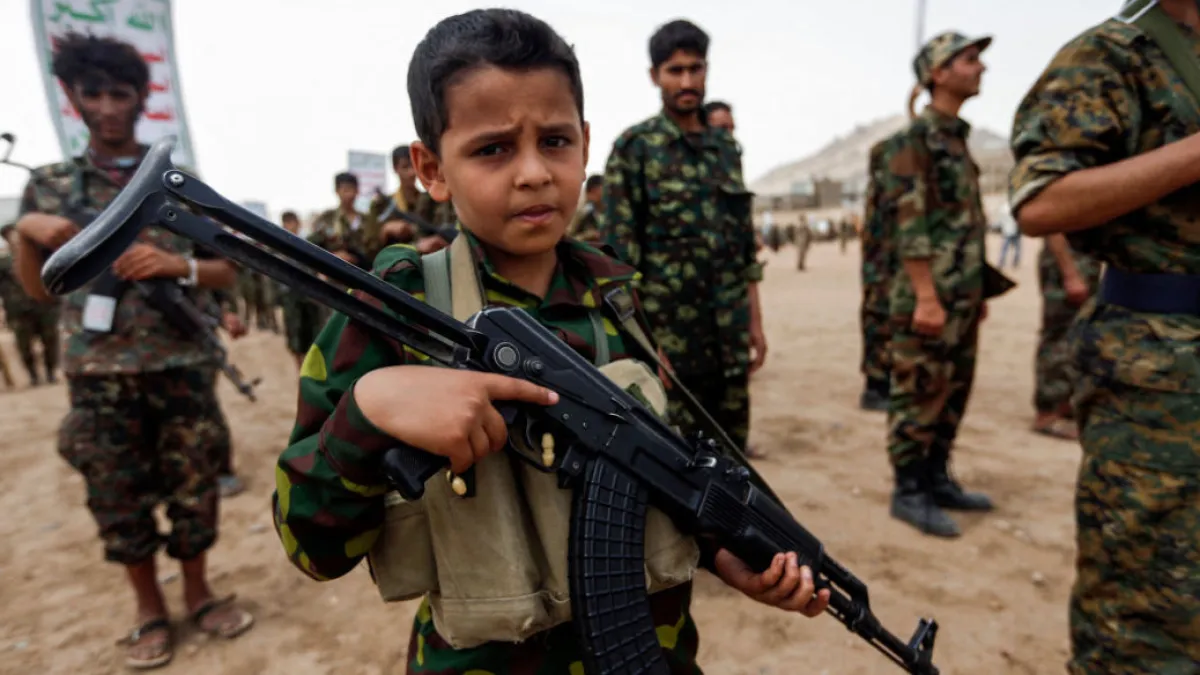
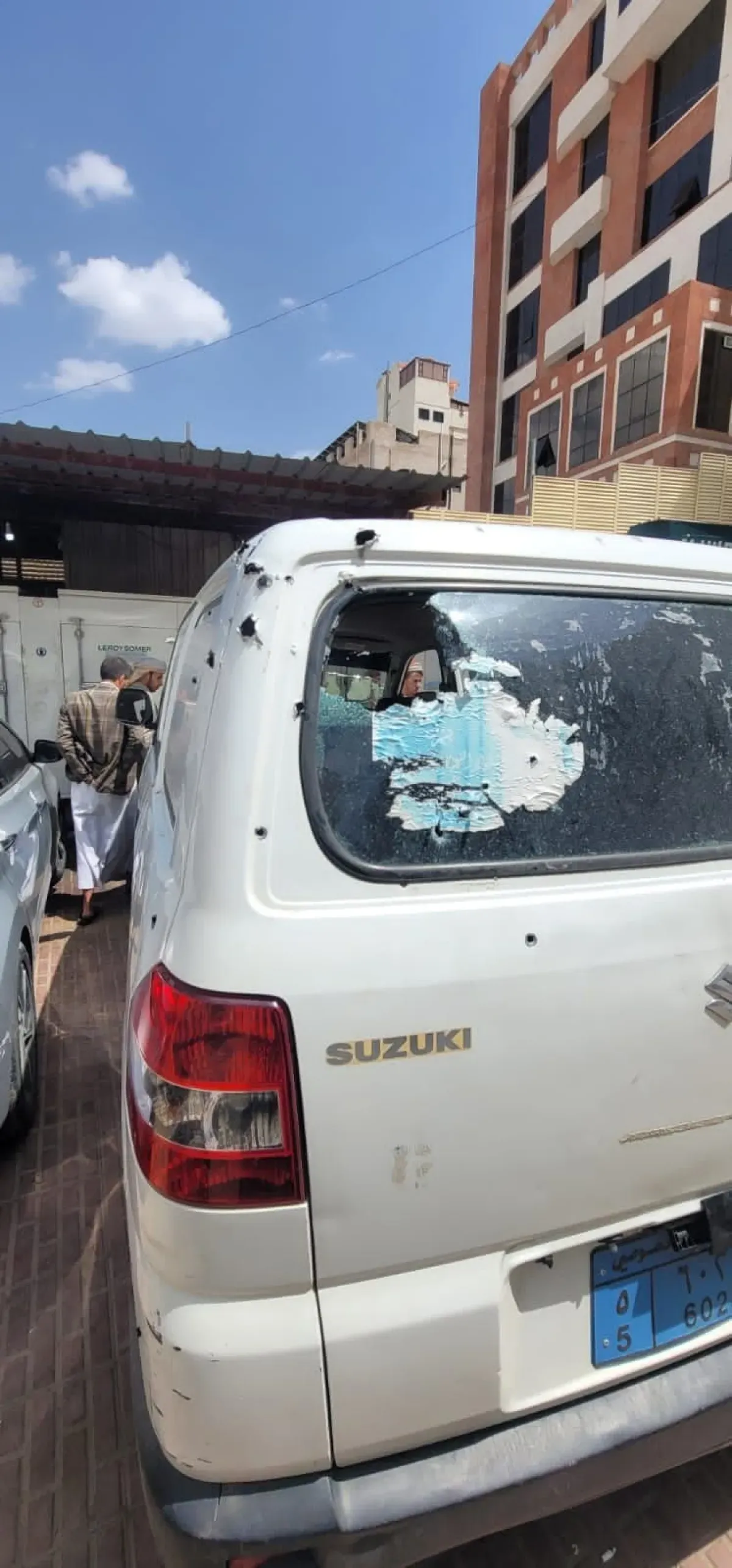
Schoolboy Mohammed Adel, 14, did not return home in on 31 January. He died inside his school, shot by a classmate during live weapons training as part of a course held at Abdullah bin Masoud School in Al-Udayn district, wrote Rachid Mohsen in The New Arab news website Mohsen cited a teacher at the school, who requested anonymity for safety reasons, who said: "The incident was not an accidental mistake, as some tried to portray on social media. It was the logical result of a long process of introducing war into educational spaces. We warned about this before the Houthis entered our area." The tragedy that should have alarmed parents across the region met with fearful silence. "Everyone speaks in whispers, but no one wants to raise their voice, including the child's family, not because the pain is less than it should be, but because the fear is greater than they can bear," the teacher explains. UN estimates indicate Houthi rebels exploit schools in approximately 12 governorates for child recruitment. This occurs amid a complete absence of effective international oversight and strict restrictions on humanitarian aid access to Houthi controlled areas. SAM Organization for Rights and Liberties documented a seasonal pattern in which child and youth recruitment intensifies after the school year ends and at the beginning of Ramadan, exploiting the religious density and symbolic nature of mobilization discourse. The organization indicated that targeting takes multiple forms, from inflammatory rhetoric to quasi-military activities, benefiting from the fragile economic situation and disrupted education, thereby increasing recruitment susceptibility and threatening the long-term social fabric. Even in internationally recognized government-controlled areas, observers note weak institutional structure and absence of a clear media strategy, placing children's issues at the forefront of priorities. Even if conflict stops someday, its effects will not. The generation that grew up seeing weapons at school, hearing about them in mosques, and circulating them on phones through social media will carry this experience. Most dangerous is that the values of coexistence and pluralism will not return automatically. They will need a long effort to restore, suggested one observer. |