UN Experts: Houthis Expand Local Arms Production Using Dual-Use Components
|
1 hour ago
A-
A+
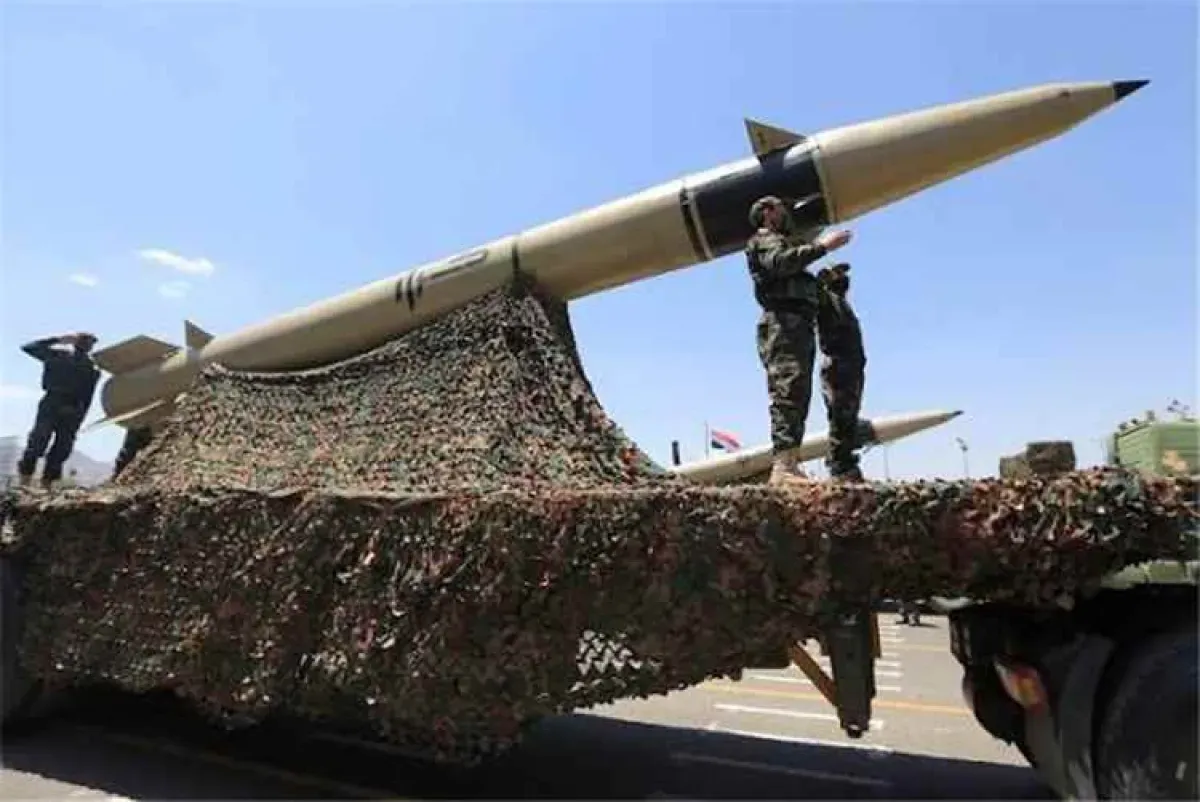
A United Nations panel of experts has reported a significant advancement in the military capabilities of the Houthi militia, noting their expanded domestic production and assembly of weapons utilizing commercial electronic components, technologies, and dual-use chemicals through complex, hard-to-trace supply networks. The panel, in a report submitted to the UN Security Council, stated that the militia has developed its military industrial capacity since 2018-2019, circumventing arms embargoes by integrating imported components into local manufacturing and assembly processes. These efforts have encompassed drones, ballistic missiles, and cruise missiles. The report detailed that Houthi weapon systems rely on a wide array of commercially available components, including electric motors, batteries, sensors, satellite navigation systems, communication and data transmission units, electronic processors, and flight control systems, some of which are based on the "Pixhawk" platform used in civilian applications. Furthermore, the militia is leveraging chemicals commonly used in legitimate civilian industries, such as acids, oxidizers, and metallic powders, which can be repurposed for explosives and rocket propellants. This broadens the challenges associated with monitoring the import of these materials and verifying their end destinations. The experts cautioned that the commercial nature of these components and materials complicates tracking, as they can be traded on civilian markets and included in diverse commercial shipments. Current customs classifications often lack sufficient detail to distinguish products based on their technical characteristics or potential military applications. The report, which drew on international trade data for Yemen's chemical and electronic component imports between 2014 and 2024, suggested that monitoring shifts in import patterns could offer risk indicators, but does not constitute definitive proof of military use or the beneficiaries. The panel urged nations to enhance coordination among customs authorities, manufacturers, and suppliers, and to develop more effective mechanisms for tracking supply chains and exchanging information on sensitive components, while ensuring that essential goods for civilian and humanitarian purposes can still reach Yemen. The report concluded that the challenge is no longer limited to preventing the delivery of finished weapons to the Houthi militia but has extended to restricting their access to commercial components and technologies that can be employed in local military manufacturing. This necessitates more sophisticated oversight of the trade in dual-use materials and their supply networks. |