Yemeni Families Displaced Twice Amidst Escalating Conflict and Economic Collapse
|
1 hour ago
A-
A+
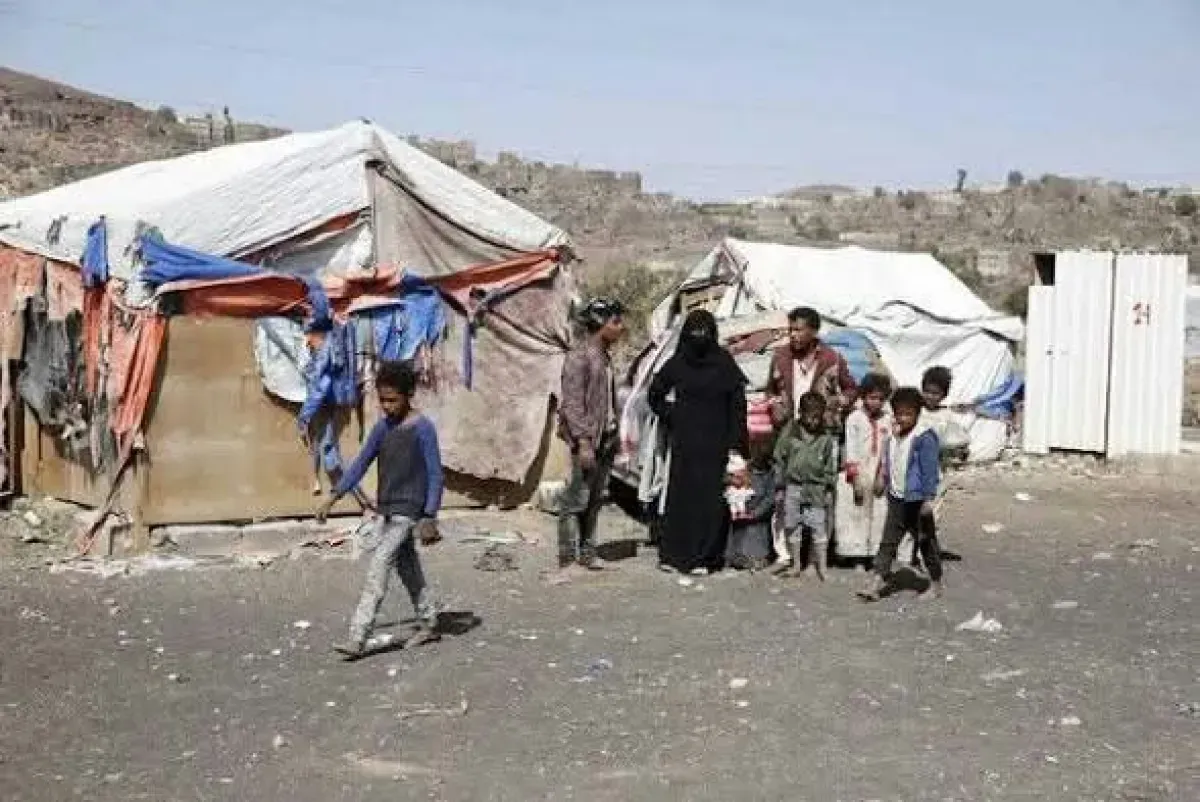
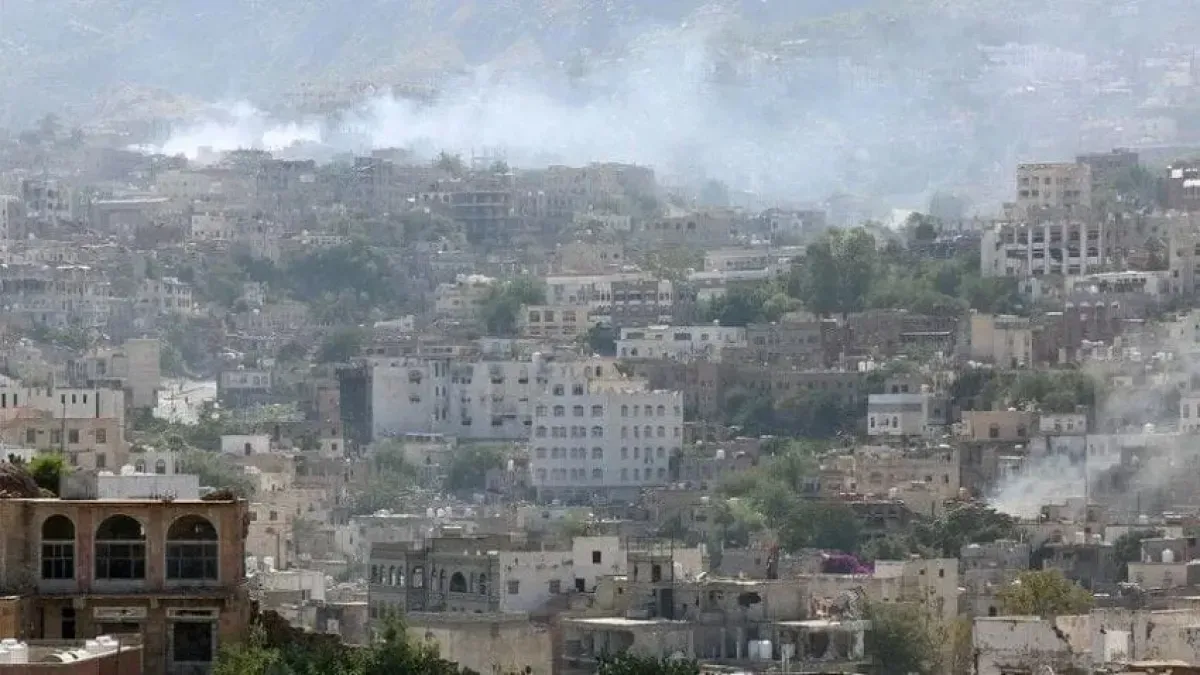
Thousands of Yemeni families are being forced to flee their homes for a second or even third time as a new wave of displacement, escalating since September, exacerbates an already dire humanitarian crisis. This repeated displacement highlights a systemic breakdown in protection, shelter, and livelihood support, transforming displacement from an exceptional event into a forced way of life. Data from the UN High Commissioner for Refugees (UNHCR) indicates that over 250,000 people have been internally displaced in Yemen between August 1 and October 17, 2026, with a sharp increase observed since early September. Prior to this escalation, Yemen already hosted approximately 5.2 million internally displaced persons, meaning the current wave adds to a long-standing crisis rather than initiating one. In the week ending October 3 alone, the International Organization for Migration (IOM) recorded approximately 21,800 new displacements, a 26% increase from the previous week, with an additional 6,474 individuals displaced on October 4. The Taiz Governorate bears the brunt of the current displacement crisis, accounting for approximately 76% of registered displacement cases and hosting about 52% of new arrivals as of October 17. According to UN figures, nearly half of the newly displaced individuals have found refuge in Taiz city or other areas within the governorate. Neighboring Lahj Governorate is receiving about 23% of the new arrivals, while Aden is hosting approximately 13%. The tragedy for families displaced multiple times lies in their search for safety that proves illusory. Families who previously fled rural areas, Hodeidah, or the outskirts of Taiz to what seemed like relatively safe zones are now finding themselves under renewed fire or in besieged areas, compelling them to move yet again in search of an elusive haven. The recent displacement is not solely a consequence of sporadic shelling but is linked to the expansion of hostilities and Houthi control over areas in the west coast, alongside ongoing battles. In Taiz, the Houthi forces have imposed a siege on the city since early October, building upon a relative blockade that has persisted for years. The Houthi militia's closure of the road connecting Taiz to the temporary capital Aden and other cities like Ibb and Hodeidah at the outset of the recent conflict not only signifies military isolation but also deprives residents of escape routes and access to vital medical and food supplies. This makes the decision to flee a perilous gamble, potentially leading to death on the road before reaching any safe location. UNHCR confirms that women and children constitute the vast majority of new displacements, with many forced to flee multiple times. The IOM reports that over 184,000 people have been displaced since early August, predominantly since early September, indicating that families who have lost their livelihoods are becoming permanently displaced with no clear prospect of return. Women bear a doubled burden, caring for children, securing food, navigating insecure areas, and facing protection risks in overcrowded shelters. Many families are no longer finding organized camps or adequate temporary shelter. Data from the Camp Coordination and Camp Management cluster indicates that over 1.6 million displaced individuals are residing in more than 1,900 unplanned sites or camp-like settings across various regions. As of October 17, UNHCR and its partners had assessed approximately 12,283 displaced families in Abyan, Aden, Marib, Lahj, and Taiz, with about 2,050 families being without shelter. Despite shelter assistance reaching 3,166 families, approximately 33,700 families remain in need, amid a severe funding shortfall for the humanitarian response. The impact of the Houthi militia extends beyond initiating displacement through combat; accountability also extends to practices that compel civilians to abandon their homes and residences. Local and international human rights reports from Taiz document cases of killings, snipers, landmines, forced displacement, and child recruitment, in addition to the conversion of homes, schools, and service facilities into military sites. One report indicates that approximately 4,860 individuals, including 1,650 women and 3,210 children, have been displaced due to these violations. These figures align with UN warnings that displacement is occurring amidst expanding conflict and practices that endanger civilian protection. Even if fighting temporarily ceases, displaced individuals have little incentive to return if their homes are damaged, their sources of income are lost, their children's schools are closed, and their local hospitals are non-operational. The UN states that over 22 million Yemenis, more than half the population, require humanitarian assistance in a country suffering from a protracted economic collapse and an enduring war. This creates a vicious cycle: war forces people to flee, economic collapse prevents their return, and then renewed fighting compels them to flee again. Experts, human rights advocates, and humanitarian organizations emphasize the need for immediate, concrete actions beyond mere humanitarian statements. This includes opening safe humanitarian corridors for the displaced, ensuring access to food and medical aid in Taiz and besieged areas, protecting civilians, schools, hospitals, and shelters from military use or targeting, halting recruitment and forced displacement, and holding those responsible for violations accountable under international standards. Furthermore, urgent funding is required for emergency shelter, water, health, and protection programs, particularly for families displaced multiple times. A crucial step is the establishment of an independent national registry to document repeated displacement cases, linking each family to their displacement history and needs, rather than treating them as mere recurring numbers. Ultimately, Yemenis displaced for a second time not only lose a home but also their faith in the very concept of safety. When families move from one place to another seeking a dignified human life, only to find conflict pursuing them to their new refuge, displacement becomes a continuous crime rather than a mere byproduct of war. Recent UN figures do not merely represent dry statistics; they tell the story of hundreds of thousands who have lost their shelter twice: once when they fled the war, and again when the war failed to leave them in peace. |