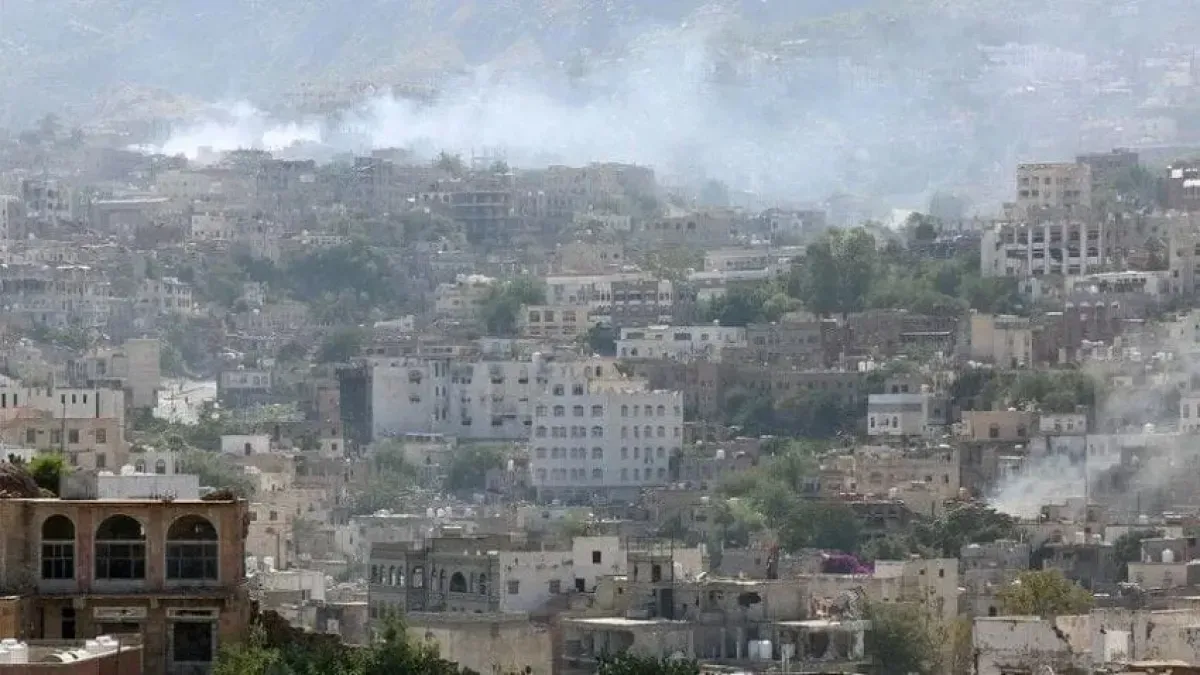
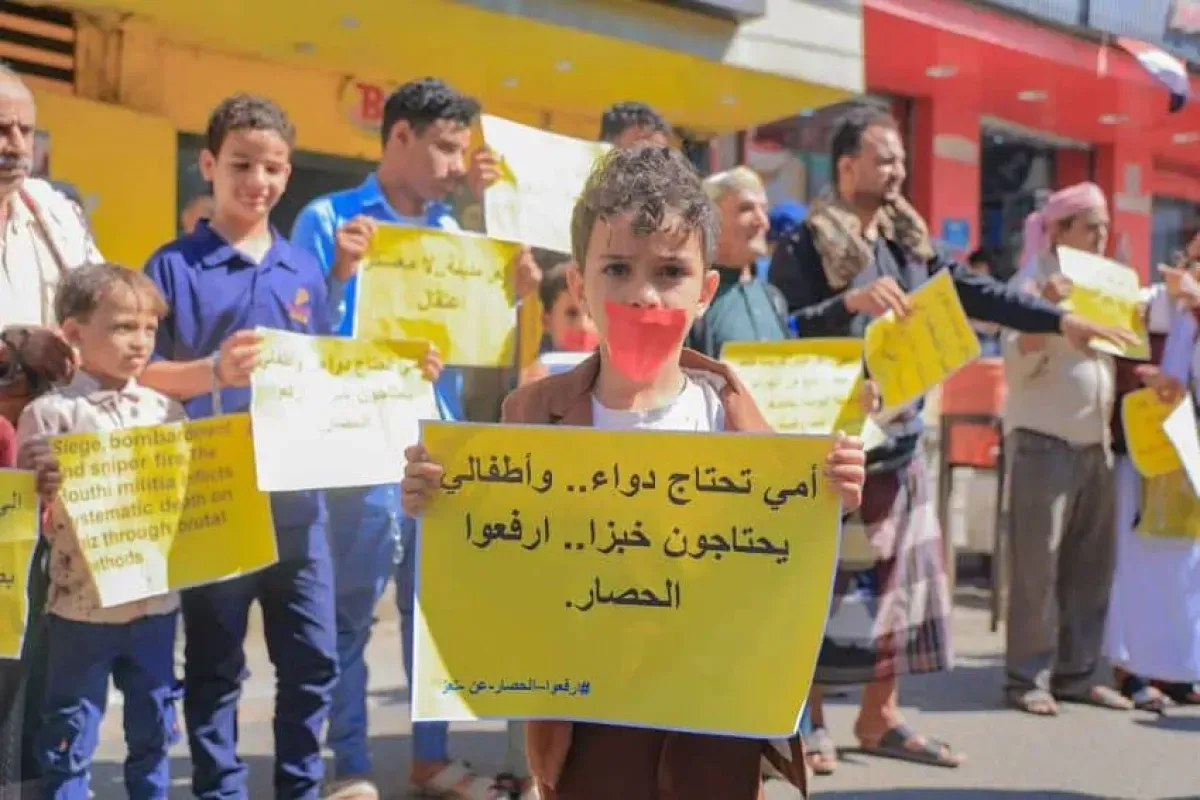
Human Rights Watch has reported a severe deterioration in the humanitarian crisis in Taiz, Yemen's third-largest city, since October 2026. The organization attributes this decline to the Houthi militia's tightened siege, which has cut off key supply routes, leading to critical shortages of food, fuel, medicine, and drinking water. Taiz has been under a Houthi blockade since 2015. While government-aligned forces control the city center, the Houthis have severed the vital links connecting Taiz to other governorates. Although international law does not inherently prohibit sieges as a military tactic, the Houthi practices have obstructed the delivery of essential goods and civilian movement for 12 years. The organization has warned that this siege could amount to a war crime, specifically the use of starvation as a method of warfare. Nico Jaafarina, a researcher on Yemen and Bahrain for Human Rights Watch, stated that the Houthis' renewed efforts to cut off Taiz reflect a blatant disregard for civilian lives. She noted that the decade-long siege has impacted one million people through shelling and denial of humanitarian aid. Conversely, the Houthi militia denies responsibility for road closures, blaming government forces. However, testimonies from residents and UN officials confirm that the Houthi-imposed siege is the primary obstacle. The World Food Programme has announced that over 600,000 people in Taiz are facing severe hunger, with wheat flour stocks depleted and local market supplies dwindling. Fuel shortages have also halted water pumps and increased transportation costs, halving the city's water production and threatening a complete collapse of essential services. Medics and humanitarian workers report that Taiz's health system is on the brink of collapse. Diesel scarcity has forced hospitals to cease operations, coupled with severe shortages of anesthetics, oxygen cylinders, and surgical supplies. Medical reports indicate that patients with chronic illnesses face extreme difficulties accessing treatment centers due to road closures and high travel costs. Human Rights Watch emphasized the obligation of all parties to the conflict to adhere to international humanitarian law, which mandates facilitating humanitarian aid and ensuring the freedom of movement for civilians and aid workers. The organization urged the Houthi militia to immediately lift restrictions on vital routes to allow the entry of food, fuel, and medicine, warning that the use of civilian starvation as a tool of war is a grave violation requiring legal accountability. |