Yemeni Rights Group Reports 42 Houthi Violations in Taiz Over 48 Hours
|
1 hour ago
A-
A+
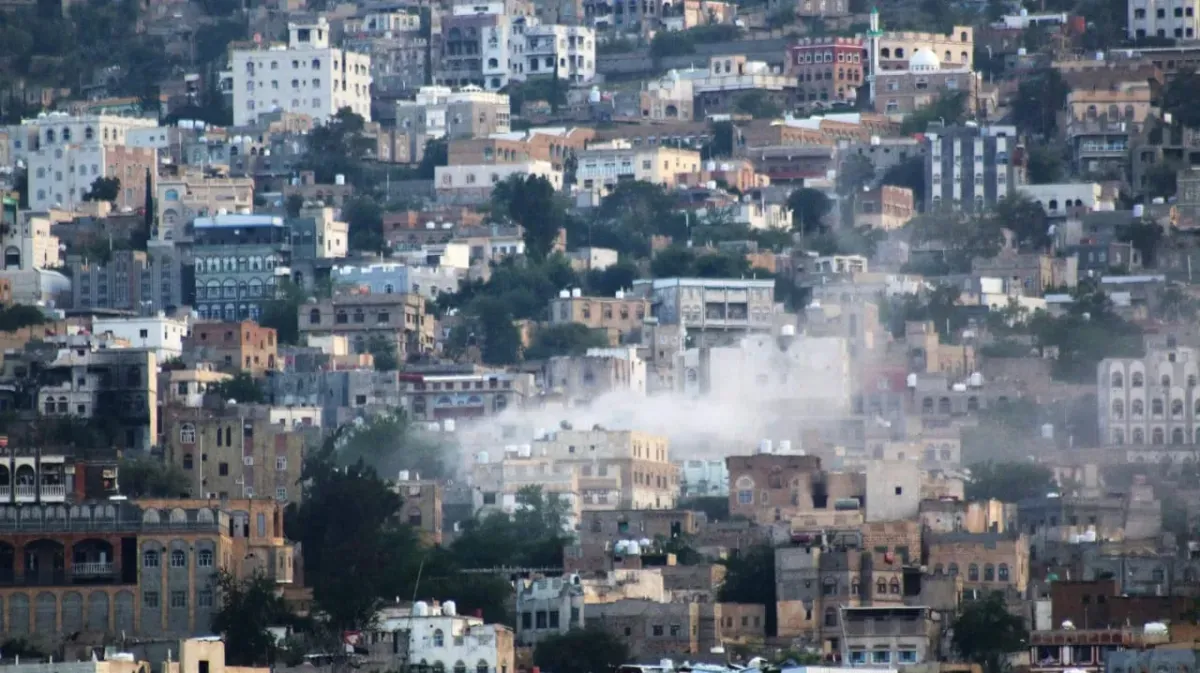
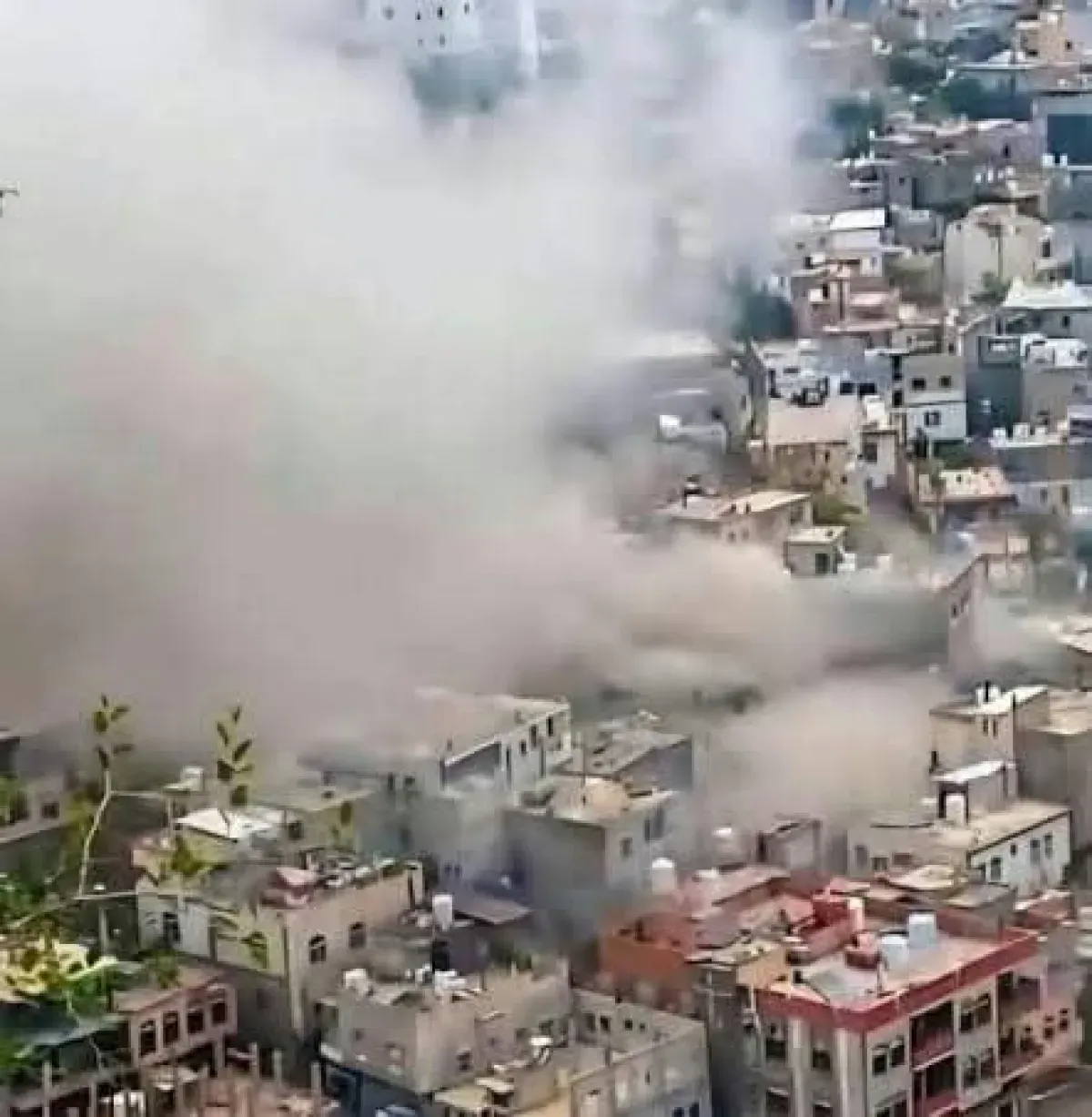
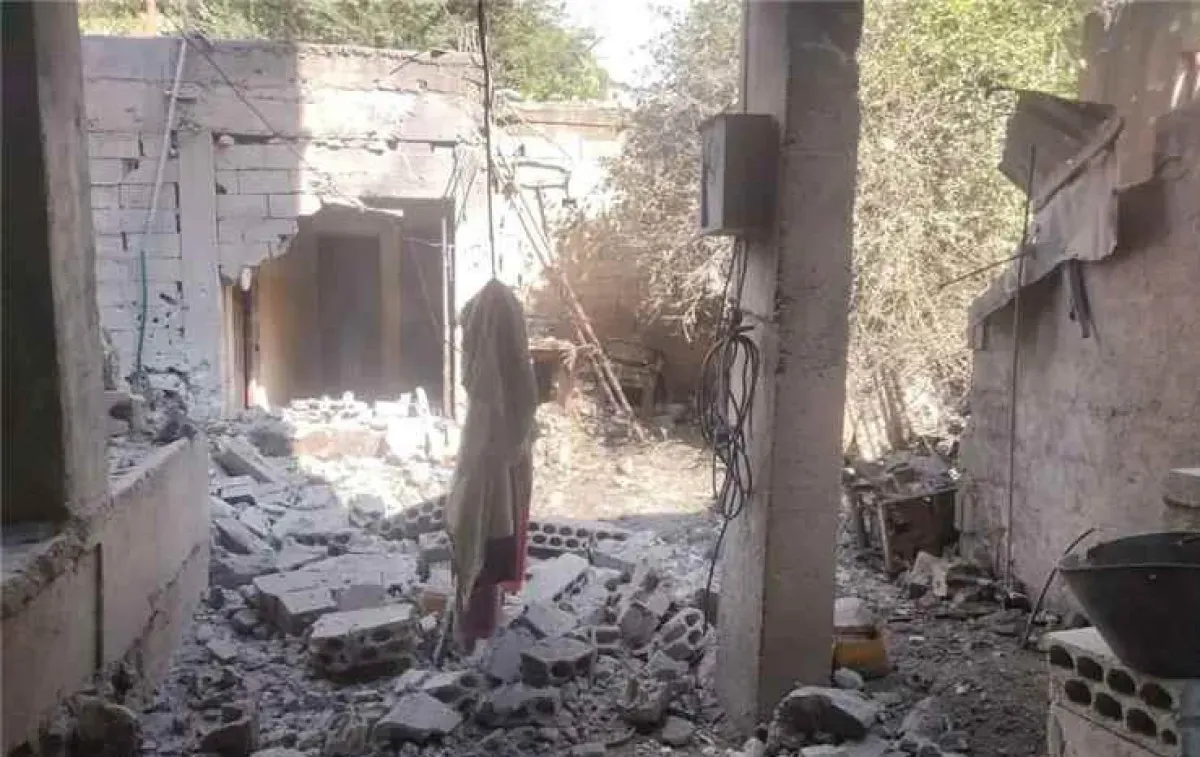
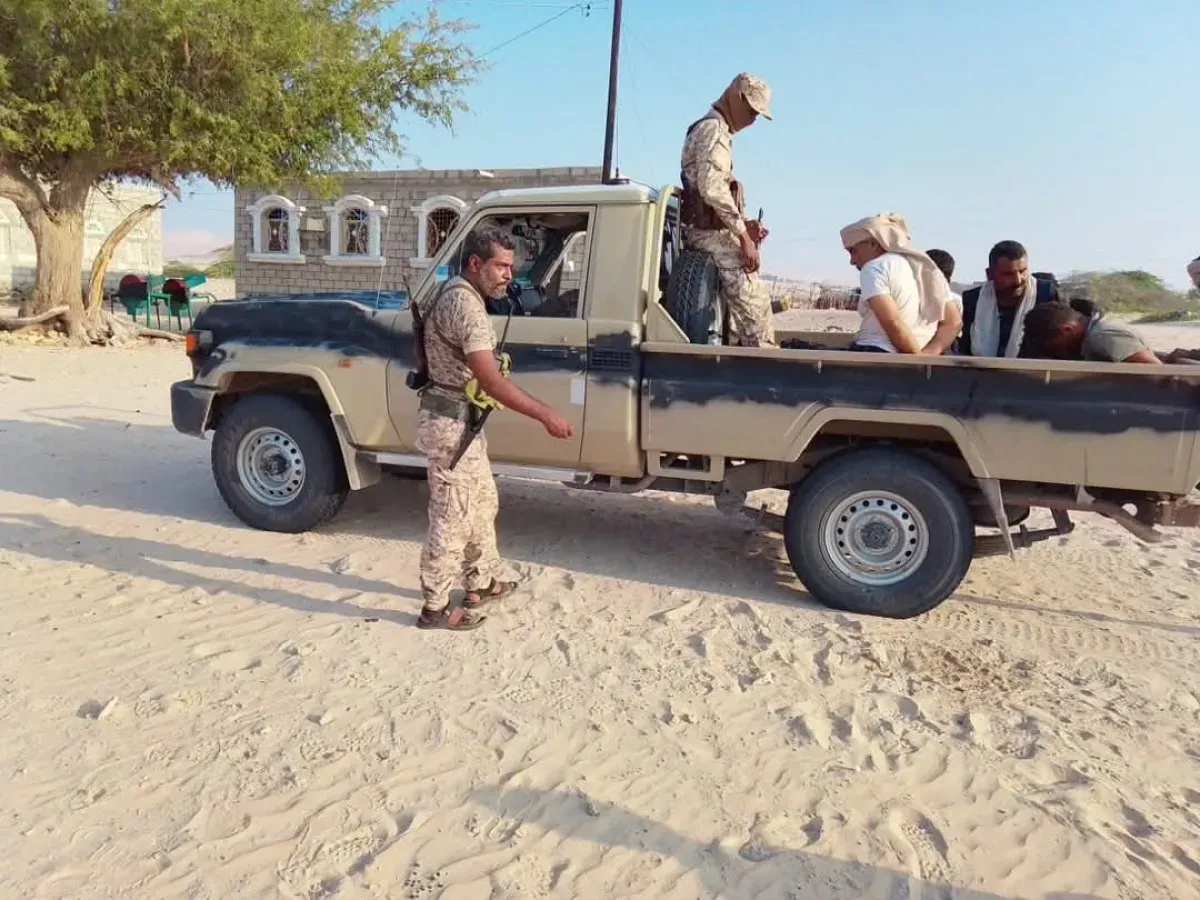
The Yemeni Network for Rights and Freedoms has documented 42 violations by Houthi militias in the southwestern province of Taiz within the past 48 hours. These incidents included the firing of approximately 369 projectiles into residential areas, resulting in the deaths of four civilians and injuries to seven others, including two 14-year-old girls. Simultaneously, the ongoing siege continues to impede the delivery of essential medicines, fuel, and supplies. According to a report released by the network on Monday, the violations also encompassed the abduction of eight citizens from their homes and businesses in the Al-Kalaiba area of Al-Ma'afer district. These individuals were reportedly taken to Al-Saleh city, with one citizen lured under the pretense of a general amnesty. The period also saw raids and intimidation tactics aimed at recruiting dozens of local youths. The report further detailed that the violations included the raiding and looting of eight homes, attacks on residences in the Al-Aqrood area, and the storming of Colonel Taha Al-Qudsi's home in Al-Batnah village, Al-Quds district, Mawaset, resulting in the theft of its contents. Additionally, Foad Al-Tabouki's house in Ras Al-Naqeel, Al-Aqrood, was shelled from the Tabbat Al-Manara site, causing significant damage to its southern facade. The network expressed grave concern over the consequences of the siege and the shortage of medical supplies and fuel on Taiz's healthcare sector. Approximately 1,280 kidney failure patients face the risk of treatment interruption due to a lack of dialysis supplies, despite a daily need for 140 sessions. Furthermore, fuel and medical supply shortages threaten the lives of 192 patients in intensive care units and 154 infants in incubators. The report indicated that two hospitals, four medical centers, and three medical warehouses have been affected. Among these is Al-Safwah Hospital, which serves over 50,000 patients. Concurrently, administrative health offices in areas recently controlled by the militia have been utilized as staging points. The network highlighted that 42 health facilities are experiencing severe supply shortages. Hospitals and ambulances require over 156,000 liters of fuel monthly to maintain their services, amid the failure of generators in health facilities and public power outages. Essential and life-saving medications, including insulin, kidney failure drugs, emergency medications, and treatments for hemophilia, thalassemia, sickle cell anemia, mental illnesses, neurological disorders, epilepsy, Parkinson's disease, kidney infections, lupus, and Behcet's syndrome, are being withheld from patients due to the blockade. Services for tuberculosis patients and malnutrition treatment centers for children have also been disrupted due to deteriorating supplies and the reduced operational capacity of health facilities. In terms of maternal and child health, 20 percent of maternity and antenatal care clinics have closed, denying 734 deliveries medical service and supervision. Additionally, family planning, screening, and women's and children's care services have ceased. Immunization centers have halted operations, preventing 3,600 children from receiving vaccinations, including BCG, pentavalent, rotavirus, tetanus, and polio vaccines, alongside the unavailability of injection supplies, vaccination cards, and women's care services. Approximately 45,678 individuals, including children and women, have been denied malaria testing, undermining disease prevention efforts and exacerbating health risks in a province already ravaged by shelling and siege. Hospitals in Taiz are receiving around eight cases daily, but shelling obstructs patient and casualty access, while shortages of medicine and energy deplete the capacity of operational health facilities to meet escalating needs. Environmentally, the network reported that shelling and sniping hinder municipal vehicle operations and endanger sanitation workers, leading to waste accumulation and insect proliferation. Sewage has overflowed in several streets, mixing with waste and posing further health and environmental risks. The Houthi escalation is pushing Taiz, home to approximately 4 million people, towards an escalating humanitarian catastrophe, characterized by killings, shelling, abductions, home looting, deteriorating health services, water scarcity, and environmental collapse. The network attributed the deaths of six kidney dialysis patients, the killing of two medical personnel, and injuries to four others to the Houthi blockade. Two ambulances were also targeted by mortar shells and drones, while access to and evacuation of the injured were obstructed. The network called for an immediate cessation of targeting civilians and health facilities, the lifting of the siege, the opening of roads, and the unimpeded passage of ambulances, medicines, fuel, and aid. It urged the United Nations, humanitarian organizations, and international partners to intervene urgently to reactivate suspended facilities and support maternal and child health, immunization, dialysis, and environmental sanitation services. The network stressed that saving Taiz requires swift action to protect its population and ensure the continuity of essential services, warning that the continued shelling and siege portend a wider disaster for which civilians, particularly children, women, and the sick, will bear the ultimate cost. |