UN Warns Houthi Blockade Chokes Taiz, Threatens Health and Water Services
|
1 hour ago
A-
A+

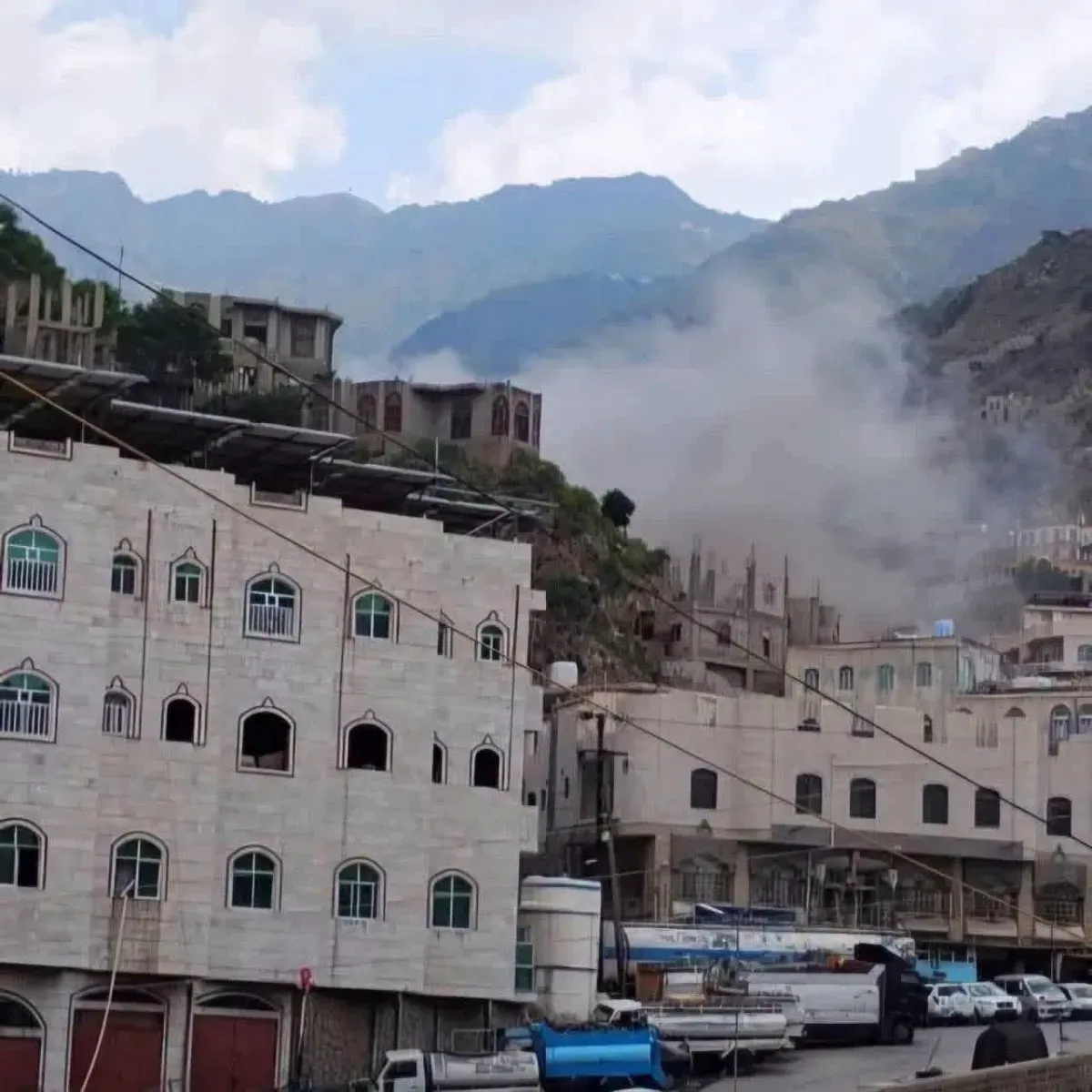
The United Nations has issued a grave warning regarding the escalating humanitarian crisis in Taiz, southwestern Yemen, as the Houthi militia's blockade enters its twentieth day. The continued closure of roads is severely impeding the delivery of aid and preventing residents from leaving the city, leading to a critical decline in water supplies and severe shortages in hospitals. The UN Office for the Coordination of Humanitarian Affairs (OCHA) stated that ongoing fighting renders access for humanitarian workers to the city "impossible." OCHA noted that extremely limited quantities of fuel, food, and other essential supplies have entered Taiz since October 3rd. OCHA spokesperson Jens Lärkë, addressing a press briefing in Geneva, highlighted the dire consequences of fuel shortages on water provision, explaining that the city's water production has dropped by approximately half. Furthermore, the cost of trucked water has tripled due to road closures and a scarcity of diesel required for operating trucks and water pumps. The lack of cooking gas also threatens the continued operation of community kitchens that provide hot meals to families. Local humanitarian organizations are depleting their remaining reserves to power water pumps and hospitals. Lärkë emphasized that these organizations' capacity to sustain their response efforts is diminishing, and he called for the restoration of humanitarian access to the city and the unimpeded entry of essential supplies for local organizations to distribute to the population. In the health sector, the World Health Organization (WHO) has cautioned that hospitals are facing increasing difficulties in maintaining life-saving services due to severe shortages of fuel, oxygen, medicines, and medical supplies. WHO spokesperson Christian Lindmeier reported that 42 health facilities in Taiz have indicated acute supply shortages. He noted that over 1,100 patients requiring daily dialysis for kidney failure, 192 patients in intensive care, and 154 newborns in incubators are at severe risk. Lindmeier warned that the failure to urgently provide these supplies will lead to further disruptions in emergency surgery, dialysis, intensive care, and maternal and neonatal care services. The WHO is collaborating with health authorities to verify remaining fuel stocks and assess the extent of service interruptions in hospitals, amid growing concerns about the impact of the prolonged blockade on patients and the most vulnerable populations. |